
Motmot

ミカドガン 対 マダラハゲワシ

Anser canagicus 対 Gyps rueppelli

ミカドガンとマダラハゲワシのクイズ
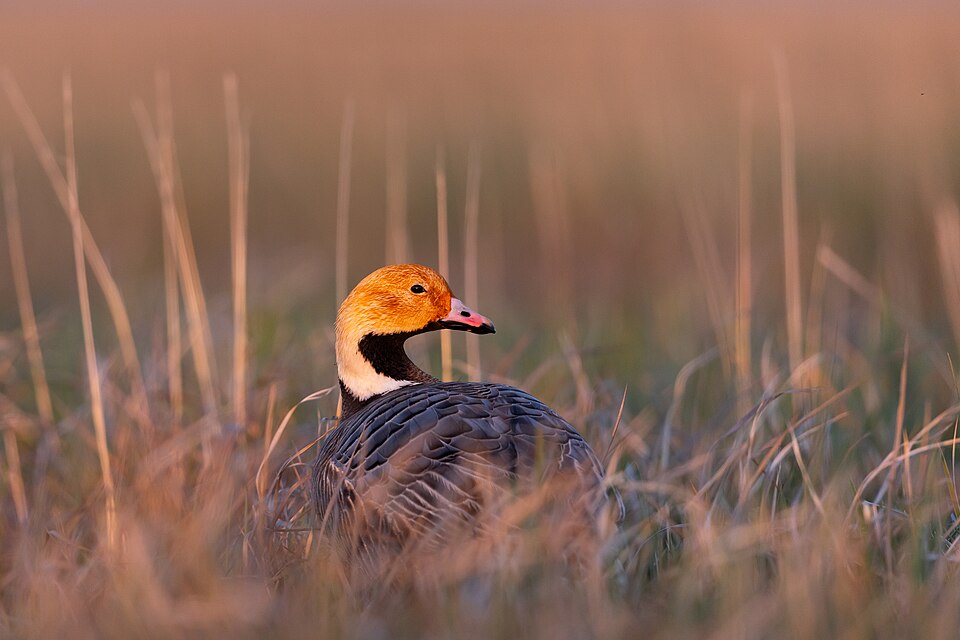
ミカドガン (Anser canagicus) ミカドガン
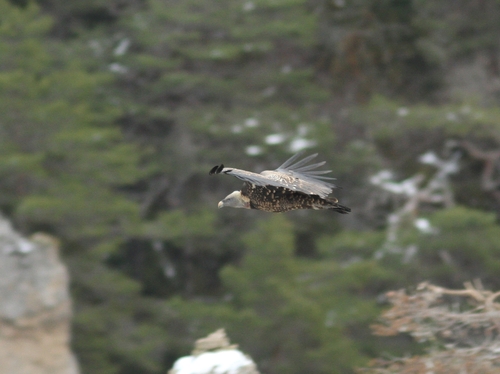
マダラハゲワシ (Gyps rueppelli) マダラハゲワシ

メディア

読み込み中…

要点

エンペラーガンとマダラハゲワシを区別する最も信頼できるフィールドマークは、全体的な構造と印象です:エンペラーガンは、短い首と鱗状の青灰色の羽毛を持つコンパクトで重い水鳥であり、一方、マダラハゲワシは、裸の頭と目を引く白い首の襟を持つ巨大で長い翼のあるハゲワシです。飛行中、エンペラーガンは灰色の下翼と白い尾を示し、マダラハゲワシは巨大で広い翼と長いくさび形の尾を見せます。幼鳥のエンペラーガンは頭が暗い色をしていることがありますが、ハゲワシの裸で羽のない頭を示すことはありません。生息地も手がかりになります:エンペラーガンは北極の沿岸湿地に生息し、マダラハゲワシはアフリカのサバンナや崖の上を舞っています。混乱は飼育下やクイズ以外では起こりにくいですが、構造的および羽毛の違いは絶対的です。

識別のコツ

  1. 頭と首:マダラハゲワシは常に裸で羽のない頭と首を持ち、汚れた白いフワフワと白い首の襟を持っています—エンペラーガンのどの年齢でも示されることはありません。エンペラーガンは羽毛のある頭と首を持ち、成鳥は白く、幼鳥は暗い色です。
  2. くちばしの形と色:エンペラーガンは短いピンクのくちばしの先が白く(雛は黒)、マダラハゲワシはハゲワシに典型的な長くフック状の暗いくちばしを持っています。
  3. 脚と足:エンペラーガンは黄色-オレンジの脚を示し(幼鳥は灰色/黒)、マダラハゲワシは死骸の上を歩くために適応した強い暗い脚を持っています。
  4. 羽毛の模様:エンペラーガンは黒と白の斑点のある青灰色で、鱗状の外観を与えます;マダラハゲワシは淡い腹部を持つまだらの茶色-黒で、鱗状の模様はありません。
  5. 尾:エンペラーガンは短い白い尾を持ち、マダラハゲワシは長いくさび形の暗い尾を持っています。
  6. 下翼:飛行中、エンペラーガンは灰色の下翼を示し、マダラハゲワシは灰色のパネルのない広い暗い下翼を持っています。
  7. サイズと構造:マダラハゲワシは巨大で、エンペラーガンの2倍以上の翼幅を持ち、長い首と翼を持っています;エンペラーガンはコンパクトで短い首を持ち、重い体です。
  8. 飛行スタイル:エンペラーガンは低く飛び、遅く深い翼の打撃で、めったに上昇しません;マダラハゲワシは熱気に乗って高く舞い、長時間羽ばたくことはほとんどありません。
  9. 幼鳥の混乱:若いエンペラーガンは暗い頭と灰色の体を持っていますが、常に羽毛のある頭とコンパクトな形を持っています;幼鳥のマダラハゲワシは大きく、裸の頭を持ち、ガンのような特徴はありません。
  10. 生息地:エンペラーガンは厳密に北極/亜北極で沿岸に生息し、マダラハゲワシは厳密にアフリカに生息し、乾燥した開けた国や崖を好みます。
  11. 社会的行動:エンペラーガンは非社交的で、小さな群れで見られます;マダラハゲワシは死骸や巣崖で非常に社交的です。
  12. 餌:エンペラーガンは水中で草を食べたり、ついばんだりします;マダラハゲワシは死肉だけを食べ、大きな死骸の中でよく見られます。
  13. 声:診断的ではありません;両種は一般的に静かで、典型的なフィールドでの遭遇では聞かれません。
  14. 季節的マーク:成鳥のエンペラーガンは、鉄分の多い水たまりで餌を食べるため、夏に頭に錆びた染みを示すことがありますが、ハゲワシでは見られません。
  15. 文脈:一緒に見られた場合、ハゲワシはガンを完全に圧倒します;混乱は写真やクイズでのみ可能で、フィールドでは起こりません。

大きさ

マダラハゲワシは、すべての次元でエンペラーガンよりもはるかに大きいです。ハゲワシは長さ85–103 cmに達し、約7,570 gの重さがあり、翼幅は2.26–2.6 mです—世界で最も大きな飛ぶ鳥の一つです。エンペラーガンははるかに小さく、コンパクトで、オスは66–71 cmの長さで、重さは2,316–3,129 g、翼幅は119 cmです。最大のエンペラーガンでさえ、最小のマダラハゲワシには圧倒されます。フィールドでは、ハゲワシのサイズ、体積、特にその巨大な翼幅は間違いなく識別できます。

羽色

幼鳥と未熟なエンペラーガンは主に灰色で、暗い頭と散発的な白を持ち、最初の冬までに成鳥の白い頭と首を徐々に獲得します。彼らの上面は常に鱗状の青灰色の模様を示し、下翼は灰色です(決して黒や白ではありません)。成鳥は白い頭と後頭部(夏にはしばしば錆びた色に染まる)、黒い喉、ピンクのくちばし、黄色-オレンジの脚、白い尾を持っています。対照的に、すべての年齢のマダラハゲワシは、汚れた白いフワフワで覆われた裸で羽のない頭と首、目立つ白い首の襟、白っぽい茶色の腹部を持つまだらの茶色-黒の体を持っています。ハゲワシの翼は長く、広く、暗く、鱗状の模様や白い尾はありません。幼鳥のマダラハゲワシは成鳥に似ていますが、全体的に暗いことがあります。裸の頭と首は、すべての年齢でハゲワシに特有であり、ガンでは決して示されません。

行動

エンペラーガンはガンにしては非社交的で、通常は小さな家族群れや緩い群れで見られ、水やツンドラの上を低く飛び、遅く深い翼の打撃で飛びます。めったに上昇せず、ほとんど常に水の近くで見られ、ついばんだり草を食べたりします。マダラハゲワシは上昇専門で、しばしば熱気に乗って高く旋回し、時には極端な高度に達します。死骸や巣崖で非常に社交的で、大きな群れを形成します。その飛行は力強く浮遊感があり、長い滑空と最小限の羽ばたきがあります。ハゲワシの行動—上昇、死肉をあさること、崖に巣を作ること—は、ガンの行動とは全く異なります。

生息環境

エンペラーガンはアラスカのベーリング海近くの遠隔沿岸ツンドラで繁殖し、氷のない泥干潟や海岸で冬を越し、北極または亜北極の海岸から遠く離れることはほとんどありません。マダラハゲワシはサヘルと東アフリカに生息し、開けたサバンナ、草原、山岳地域に生息し、特に巣作りのために崖の近くを好みます。ガンはアフリカや乾燥した草原では見られず、ハゲワシは北極の湿地では見られません。生息地だけでも通常は診断的です。

より良い説明を送る

比較と同じ項目を使ってください。文章はすぐに公開されます。

The most reliable field mark to separate Emperor Goose from Rüppell's Griffon is overall structure and jizz: Emperor Goose is a compact, heavy-bodied waterfowl with a short neck and scaled blue-gray plumage, while Rüppell's Griffon is a massive, long-winged vulture with a bare head and a striking white neck ruff. In flight, Emperor Goose shows gray underwings and a white tail, while Rüppell's Griffon displays huge, broad wings and a long, wedge-shaped tail. Juvenile Emperor Geese can be dusky-headed but never show the vulture's bare, featherless head. Habitat is also a giveaway: Emperor Goose is found in arctic coastal wetlands, while Rüppell's Griffon soars over African savannas and cliffs. Confusion is unlikely except in captivity or a quiz, but structural and plumage differences are absolute.

  1. Head and neck: Rüppell's Griffon always has a bare, featherless head and neck with dirty-white fluff and a white neck ruff—never shown by Emperor Goose of any age. Emperor Goose has a feathered head and neck, white in adults, dusky in juveniles.
  2. Bill shape and color: Emperor Goose has a short, pink bill tipped white (black in goslings); Rüppell's Griffon has a long, hooked, dark bill typical of vultures.
  3. Legs and feet: Emperor Goose shows yellow-orange legs (gray/black in juveniles); Rüppell's Griffon has strong, dark legs adapted for walking on carcasses.
  4. Plumage pattern: Emperor Goose is blue-gray with black and white spots, giving a scaled look; Rüppell's Griffon is mottled brown-black with a pale underbelly and no scaled pattern.
  5. Tail: Emperor Goose has a short, white tail; Rüppell's Griffon has a long, wedge-shaped dark tail.
  6. Underwing: In flight, Emperor Goose shows gray underwings; Rüppell's Griffon has broad, dark underwings with no gray panel.
  7. Size and structure: Rüppell's Griffon is enormous, with a wingspan over twice that of Emperor Goose, and a long neck and wings; Emperor Goose is compact, short-necked, and heavy-bodied.
  8. Flight style: Emperor Goose flies low with slow, deep wingbeats, rarely soaring; Rüppell's Griffon soars high on thermals, rarely flapping for long periods.
  9. Juvenile confusion: Young Emperor Geese have dusky heads and gray bodies but always feathered heads and a compact shape; juvenile Rüppell's Griffons are larger, bare-headed, and lack any goose-like features.
  10. Habitat: Emperor Goose is strictly arctic/subarctic and coastal; Rüppell's Griffon is strictly African and prefers dry, open country and cliffs.
  11. Social behavior: Emperor Goose is unsocial, seen in small groups; Rüppell's Griffon is highly social at carcasses and nesting cliffs.
  12. Feeding: Emperor Goose grazes or dabbles in water; Rüppell's Griffon feeds exclusively on carrion, often inside large carcasses.
  13. Voice: Not diagnostic; both species are generally silent or not heard in typical field encounters.
  14. Seasonal marks: Adult Emperor Goose may show rusty staining on the head in summer from feeding in iron-rich pools, never seen in the vulture.
  15. Context: If seen together, the vulture would utterly dwarf the goose; confusion is only possible in photos or quizzes, not in the field.

Rüppell's Griffon is vastly larger than Emperor Goose in every dimension. The vulture reaches 85–103 cm in length and weighs around 7,570 g, with a wingspan of 2.26–2.6 m—making it one of the world's largest flying birds. Emperor Goose is much smaller and more compact, with males 66–71 cm long and weighing 2,316–3,129 g, and a wingspan of 119 cm. Even the largest Emperor Goose is dwarfed by the smallest Rüppell's Griffon. In the field, the vulture's size, bulk, and especially its immense wingspan are unmistakable.

Juvenile and immature Emperor Geese are mostly gray with a dusky head and scattered white, gradually acquiring the white head and neck of adults by their first winter. Their upperparts always show a scaled blue-gray pattern, and the underwings are gray (never black or white). Adults have a white head and nape (often stained rusty in summer), a black throat, pink bill, and yellow-orange legs, with a white tail. In contrast, all ages of Rüppell's Griffon have a bare, featherless head and neck covered in dirty-white fluff, a prominent white neck ruff, and a mottled brown-black body with a whitish-brown underbelly. The vulture's wings are long, broad, and dark, with no scaled pattern or white tail. Juvenile Rüppell's Griffons are similar to adults but may be darker overall. The bare head and neck are unique to the vulture at all ages and never shown by the goose.

Emperor Goose is unsocial for a goose, usually seen in small family groups or loose flocks, and stays low over water or tundra, flying with slow, deep wingbeats. It rarely soars and is almost always seen near water, feeding by dabbling or grazing. Rüppell's Griffon is a soaring specialist, often seen circling high on thermals, sometimes at extreme altitudes. It is highly social at carcasses and nesting cliffs, gathering in large groups. Its flight is powerful and buoyant, with long glides and minimal flapping. The vulture's behavior—soaring, scavenging, and cliff-nesting—is utterly different from the goose's.

Emperor Goose breeds in remote coastal tundra near the Bering Sea in Alaska and the Russian Far East, and winters on ice-free mudflats and coasts, rarely straying far from arctic or subarctic shorelines. Rüppell's Griffon is native to the Sahel and East Africa, inhabiting open savannas, grasslands, and mountainous regions, especially near cliffs for nesting. The goose is never found in Africa or dry grasslands, and the vulture is never found in arctic wetlands. Habitat alone is usually diagnostic.

変更を破棄しますか?

保存していない編集があります。今離れると失われます。

ミカドガン · マダラハゲワシ · 苦手な鳥