
Motmot

ニシコクマルガラス 対 ミヤマガラス

Coloeus monedula 対 Corvus frugilegus

ニシコクマルガラスとミヤマガラスのクイズ
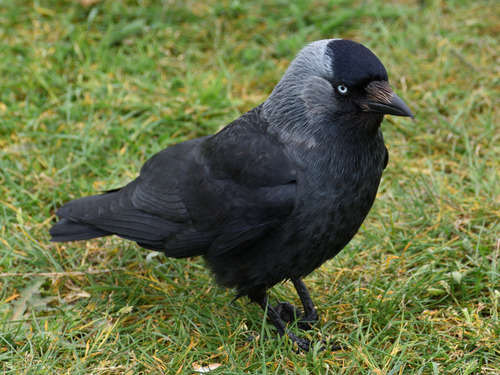
ニシコクマルガラス (Coloeus monedula) ニシコクマルガラス
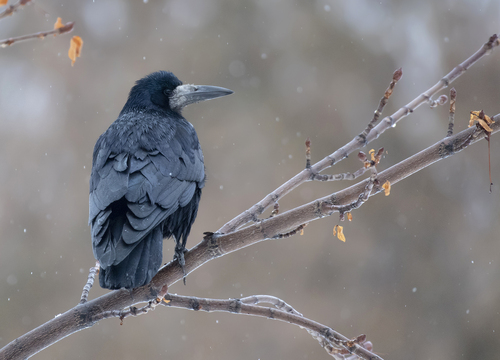
ミヤマガラス (Corvus frugilegus) ミヤマガラス

メディア

読み込み中…

要点

ニシコクマルガラスとミヤマガラスを区別する最も信頼できるフィールドマークは、ニシコクマルガラスの淡い銀色または灰色の後頭部と頬であり、その他の黒い羽毛と対照的です。一方、ミヤマガラスは全体が黒い羽毛であり、成鳥のくちばしの基部には独特の裸の白っぽい皮膚があります。幼鳥や未成熟の鳥はより難しいです:若いミヤマガラスは裸のくちばしのパッチがなく、表面的にはニシコクマルガラスに似て見えることがありますが、ニシコクマルガラスは常に小さく、はるかに短くて太いくちばしと、よりコンパクトで直立した姿勢を持っています。飛行中、ニシコクマルガラスはより速く、深い羽ばたきと密な群れを示し、ミヤマガラスはより長い翼を持ち、よりだらりとした印象を与えます。頭の模様、くちばしの構造、全体のサイズに注意を払うことで、特に距離がある場合や未成熟の鳥に対して、ほとんどの混乱を解決できます。

識別のコツ

  1. Head pattern is key: 成鳥のニシコクマルガラスは淡い灰色または銀色の後頭部と頬を示し、黒い冠と顔からはっきりと区別されます。ミヤマガラスは成鳥のくちばしの基部に裸の白っぽい皮膚を除いて、頭部は全体が黒いです。
  2. Bill structure: ニシコクマルガラスは短くて太い黒いくちばし(頭の長さの約75%)を持ち、ミヤマガラスはより長くて細い灰黒色のくちばしを持っています。成鳥のミヤマガラスでは、くちばしの基部の裸の皮膚のために、くちばしがさらに長く見えます。
  3. Bare bill patch (adults only): 成鳥のミヤマガラスだけが、くちばしの基部と目の周りに独特の裸の白っぽい皮膚を示します。幼鳥のミヤマガラスはこれがなく、ニシコクマルガラスと区別するのが難しくなります。
  4. Juvenile confusion: 若いミヤマガラスは顔に羽毛が完全に生え、裸のパッチがないですが、依然として大きく、より細く尖ったくちばしと、より毛羽立った脚の羽毛を持っています。幼鳥のニシコクマルガラスは小さく、鈍い、あまりはっきりしない淡い後頭部を持っていますが、依然としていくつかの対比を示します。
  5. Eye color: 成鳥のニシコクマルガラスは淡い銀色または灰白色の虹彩を持ち、近距離で目立つことがあります。幼鳥のニシコクマルガラスは青または茶色の目を持っています。ミヤマガラスはすべての年齢で暗い茶色の虹彩を持っていますが、これは距離があるときにはほとんど見えません。
  6. Size and jizz: ニシコクマルガラスははるかに小さく、よりコンパクトで、短い首と活発で直立した姿勢を持っています。ミヤマガラスは大きく、より細長く、しばしば止まっているときに背中を丸めて見えます。
  7. Flight style: ニシコクマルガラスは急速で不規則な羽ばたきと密な群れで飛び、しばしば転がったり滑空したりします。ミヤマガラスはより遅く、深い羽ばたきと、よりだらりとした、調和の取れていない群れの飛行を持っています。
  8. Wing shape in flight: ニシコクマルガラスは狭く、指の少ない翼を持ち、ミヤマガラスの翼はカラスよりも長く、相対的に狭いですが、ニシコクマルガラスよりは広いです。
  9. Plumage gloss: 両種は強い光の中で青または紫の光沢を示すことがありますが、これは区別には信頼できません。
  10. Leg feathering: ミヤマガラスはニシコクマルガラスと比較して、脚の周りの羽毛がより毛羽立っていて、緩いです。
  11. Underparts: ニシコクマルガラスはスレートグレーの腹部を持ち、ミヤマガラスは黒または茶色がかった黒の腹部を持っています(幼鳥は茶色がかった色合いを示すことがあります)。
  12. Habitat clues: ニシコクマルガラスは建物、崖、都市部の近くにいる可能性が高く、ミヤマガラスは開けた野原や田舎の風景を好み、特にミヤマガラスのコロニーの近くにいます。
  13. Bill color: 両種は黒または灰黒色のくちばしを持っていますが、成鳥のミヤマガラスは裸の皮膚のために基部がより長く、淡く見えます。
  14. Group context: 混合群れは一般的ですが、ニシコクマルガラスはより密なグループに集まる傾向があり、ミヤマガラスはより緩い集団を形成します。
  15. Seasonal wear: ニシコクマルガラスの頭部と首の羽毛は色あせ、換羽前にあまりはっきりしなくなることがあり、特にオスや未成熟の個体では淡い部分が目立たなくなります。

大きさ

ミヤマガラスはニシコクマルガラスよりもかなり大きいです。成鳥のミヤマガラスは約453.5 g [wikidata]の重さがあり、長さは44–46 cm、翼幅は81–99 cm [wikipedia]です。ニシコクマルガラスは小さく、長さは34–39 cm、重さは約240 gです。フィールドでは、ニシコクマルガラスは明らかによりコンパクトに見え、首とくちばしが短く、全体的にかなり小さい体格を持っています。一緒に見ると、サイズの違いは明らかですが、距離があるときに単独の鳥は誤解を招くことがあります。特にミヤマガラスが背中を丸めている場合や、ニシコクマルガラスが羽を膨らませている場合はそうです。

羽色

成鳥のニシコクマルガラスは淡い灰色または銀色の後頭部と頬が特徴的で、黒い冠、顔、体と鋭く対照的です。彼らの腹部はスレートグレーであり、黒い部分は亜種や光の条件によって紫がかったり青みがかったりする光沢を示すことがあります。ミヤマガラスは全体が黒く、青または青紫の光沢を持ち、成鳥はくちばしの基部と目の前に裸の白っぽい皮膚のパッチを持っており、これはヨーロッパのカラスの中で独特です。幼鳥のミヤマガラスはこの裸のパッチがなく、完全に羽毛で覆われた黒い顔を持ち、時には緑がかった光沢や茶色がかった黒の色合いを後頭部や腹部に持っています。未成熟のニシコクマルガラスは成鳥よりも鈍く、淡い部分があまりはっきりせず、全体的にすすけた印象を持っていますが、依然として後頭部と頬にいくつかの対比を示します。飛行中、ニシコクマルガラスは相対的に狭く、指の少ない翼を持ち、ミヤマガラスの翼はカラスよりも長く、狭いですが、ニシコクマルガラスよりは広いです。両種は飛行中は全体的に黒っぽいですが、ニシコクマルガラスの淡い後頭部は時々空中でもちらりと見えることがあります。

行動

ニシコクマルガラスは敏捷で、密に飛ぶ鳥であり、急速で不規則な羽ばたきと頻繁な滑空を伴う密な群れで見られることがよくあります。地上では活発で直立した歩き方をし、短い脚で歩き、頭を下げたり水平にしたりして餌を食べます。ミヤマガラスも社交的ですが、彼らの飛行はよりだらりとしており、密に調整されていないことが多く、遅くて深い羽ばたきを持っています。地上では、ミヤマガラスはより背中を丸めて見え、脚の周りの羽毛がより毛羽立っています。両種は混合群れで見られることがありますが、ニシコクマルガラスは空中でのアクロバットや急旋回を行う可能性が高いです。

生息環境

両種はヨーロッパと西アジア全体に広く分布しており、農業用地、公園、都市部を共有することがよくあります。ニシコクマルガラスは建物、町、崖の周りで見られる可能性が高く、穴や煙突に巣を作ります。一方、ミヤマガラスは開けた田舎、農地を好み、高い木にあるミヤマガラスのコロニーに密接に関連しています。ミヤマガラスはニシコクマルガラスと比較して、密な都市部で見られる可能性が低いです。

より良い説明を送る

比較と同じ項目を使ってください。文章はすぐに公開されます。

The most reliable field mark to separate Eurasian Jackdaw from Rook is the jackdaw's pale silvery or grey nape and cheeks, contrasting with its otherwise black plumage, versus the rook's all-black plumage and distinctive bare whitish skin at the base of the bill in adults. Juvenile and immature birds are trickier: young rooks lack the bare bill patch and can appear superficially similar to jackdaws, but jackdaws are always smaller, with a much shorter, stubbier bill and a more compact, upright jizz. In flight, jackdaws show faster, deeper wingbeats and tighter flocking, while rooks appear longer-winged and more languid. Careful attention to head pattern, bill structure, and overall size will resolve most confusion, especially at a distance or with immature birds.

  1. Head pattern is key: Adult jackdaws show a pale grey or silvery nape and cheeks, sharply set off from the black crown and face. Rooks are all-black on the head except for the bare whitish skin at the bill base in adults.
  2. Bill structure: Jackdaws have a short, stout, black bill (about 75% the length of the head), while rooks have a longer, thinner, grey-black bill. In adult rooks, the bill looks even longer due to the bare skin at the base.
  3. Bare bill patch (adults only): Only adult rooks show the distinctive bare whitish skin at the base of the bill and around the eye. Juvenile rooks lack this, making them trickier to separate from jackdaws.
  4. Juvenile confusion: Young rooks are fully feathered on the face and lack the bare patch, but they are still larger, with a thinner, more pointed bill and shaggier leg feathering. Juvenile jackdaws are smaller, with a duller, less defined pale nape, but still show some contrast.
  5. Eye color: Adult jackdaws have pale silvery or greyish-white irises, which can stand out at close range. Juvenile jackdaws have blue or brownish eyes. Rooks have dark brown irises at all ages, but this is rarely visible at a distance.
  6. Size and jizz: Jackdaws are much smaller and more compact, with short necks and a brisk, upright posture. Rooks are larger, more elongated, and often appear hunched when perched.
  7. Flight style: Jackdaws fly with rapid, jerky wingbeats and tight flocking, often tumbling or gliding. Rooks have slower, deeper wingbeats and a more languid, less coordinated flock flight.
  8. Wing shape in flight: Jackdaws have narrower, less fingered wings; rook wings are longer and proportionally narrower than crows, but broader than jackdaw's.
  9. Plumage gloss: Both species can show blue or purple gloss in strong light, but this is not reliable for separation.
  10. Leg feathering: Rooks have shaggier, laxer feathering around the legs, especially compared to jackdaws.
  11. Underparts: Jackdaws have slate-grey underparts, while rooks are black or brownish-black below (juveniles may show some brownish tones).
  12. Habitat clues: Jackdaws are more likely near buildings, cliffs, and urban areas; rooks prefer open fields and rural landscapes, especially near rookery colonies.
  13. Bill color: Both species have black or grey-black bills, but the rook's appears longer and paler at the base in adults due to the bare skin.
  14. Group context: Mixed flocks are common, but jackdaws tend to stick together in tighter groups, while rooks form looser aggregations.
  15. Seasonal wear: Jackdaw head and neck plumage can fade and become less distinct before moulting, making pale areas less obvious, especially in males and immatures.

Rooks are substantially larger than Eurasian Jackdaws. Adult rooks weigh about 453.5 g [wikidata], and measure 44–46 cm in length, with a wingspan of 81–99 cm [wikipedia]. Jackdaws are smaller, at 34–39 cm in length and around 240 g. In the field, jackdaws look noticeably more compact, with shorter necks and bills, and a much smaller overall bulk. When seen together, the size difference is obvious, but single birds at a distance can be deceptive, especially if the rook is hunched or the jackdaw is fluffed up.

Adult jackdaws are distinctive with their pale grey or silvery nape and cheeks, contrasting sharply with the black crown, face, and body. Their underparts are slate-grey, and the black areas can show a purplish or bluish sheen depending on subspecies and light. Rooks are all-black with a blue or bluish-purple gloss, and adults have a bare whitish patch of skin at the base of the bill and in front of the eye, which is unique among European corvids. Juvenile rooks lack this bare patch and have a fully feathered black face, sometimes with a greenish gloss and brownish-black tones on the hindneck and underparts. Immature jackdaws are duller than adults, with less sharply defined pale areas and a more sooty overall look, but still show some contrast on the nape and cheeks. In flight, jackdaws have proportionately narrower, less fingered wings, while rook wings are longer and narrower than those of crows, but broader than jackdaw's. Both species are blackish overall in flight, but the jackdaw's pale nape can sometimes be glimpsed even when airborne.

Jackdaws are agile, tight-flying birds, often seen in close-knit flocks with rapid, jerky wingbeats and frequent glides. They have a brisk, upright gait on the ground, strutting with short legs and feeding with their heads down or horizontal. Rooks are also social, but their flight is more languid and less tightly coordinated, with slower, deeper wingbeats. On the ground, rooks appear more hunched and have shaggier feathering around the legs. Both species can be seen in mixed flocks, but jackdaws are more likely to perform aerial acrobatics and tight turns.

Both species are widespread across Europe and western Asia, often sharing agricultural fields, parks, and urban areas. Jackdaws are more likely to be seen around buildings, towns, and cliffs, nesting in cavities and chimneys, while rooks prefer open countryside, farmland, and are closely associated with rookery colonies in tall trees. Rooks are less likely to be found in dense urban centers compared to jackdaws.

変更を破棄しますか?

保存していない編集があります。今離れると失われます。

ニシコクマルガラス · ミヤマガラス · 苦手な鳥