
Motmot

キバシリ 対 タンシキバシリ

Certhia familiaris 対 Certhia brachydactyla

キバシリとタンシキバシリのクイズ
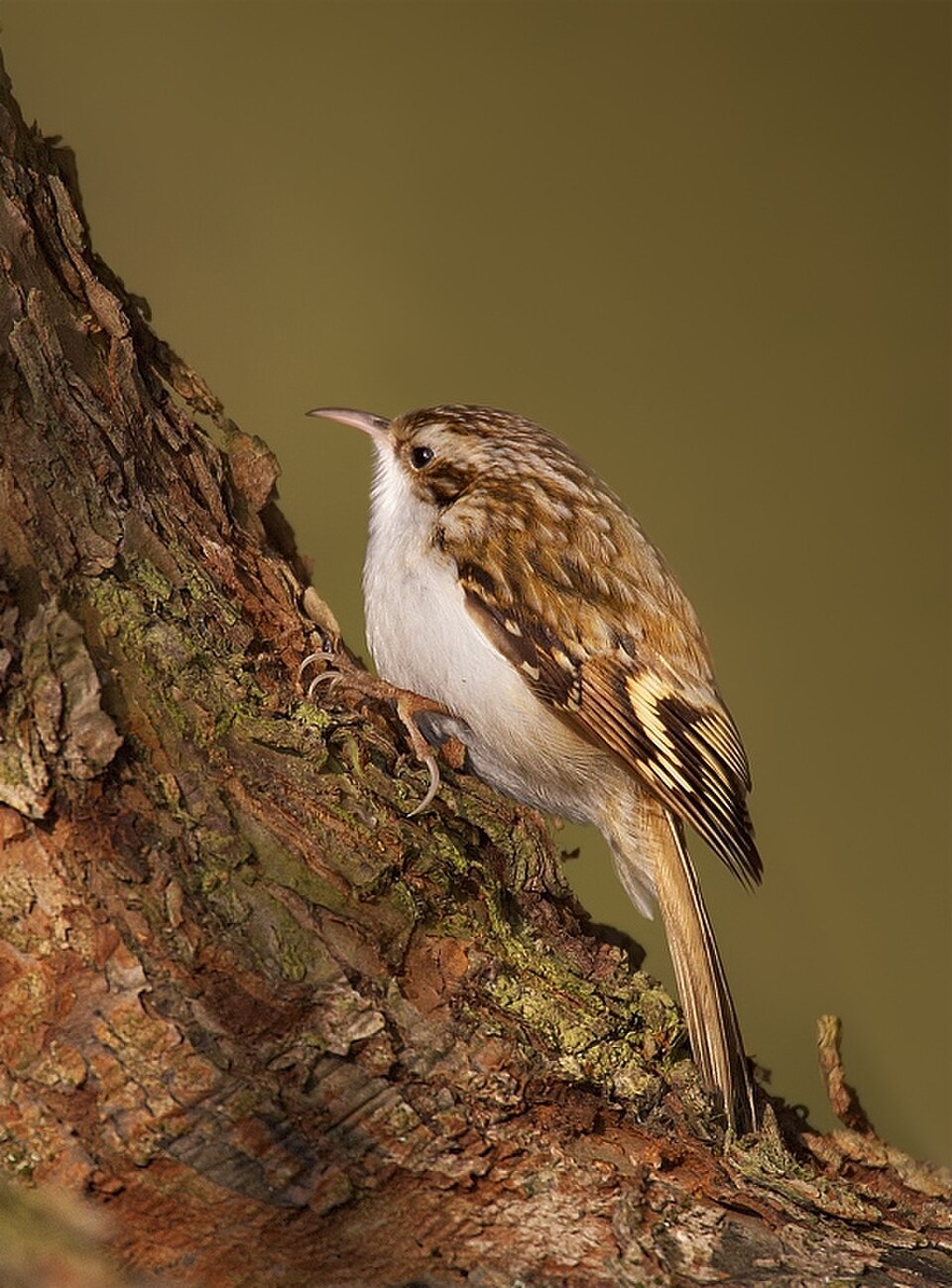
キバシリ (Certhia familiaris) キバシリ
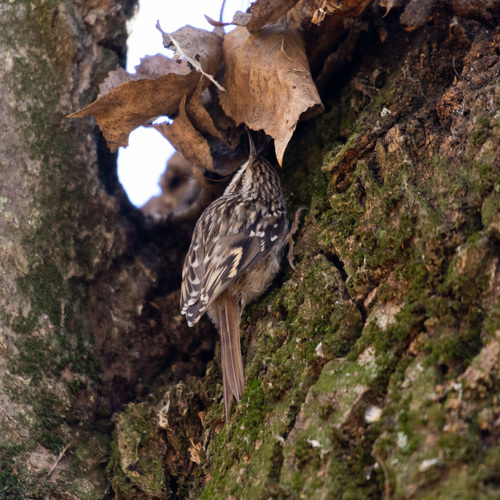
タンシキバシリ (Certhia brachydactyla) タンシキバシリ

メディア

読み込み中…

Loek van Gent による

AI比較を表示

要点

The Eurasian Treecreeper and Short-toed Treecreeper are very similar, but can be distinguished by subtle differences in bill shape and vocalizations. The Eurasian Treecreeper typically has a slightly shorter, more decurved bill compared to the straighter bill of the Short-toed Treecreeper. Vocalizations also differ, with the Eurasian Treecreeper having a more varied song.

識別のコツ

  1. Wing pattern. The light spot on the primaries in Short-toed has a straight line, while on Eurasian is recurves to the edge of the wing, forming a little 'cup' for the black bar closer to the wing  base.
  2. Supercilium. Eurasian has on average a lighter supercilium, that is connected to the bill. There is how ever a lot of overlap and regional variation.
  3. Bill Shape: Look for the slightly shorter, more decurved bill of the Eurasian Treecreeper. 
  4. Vocalizations: Listen for the more varied song of the Eurasian Treecreeper.
  5. Habitat: Note the type of forest; coniferous for Eurasian, deciduous for Short-toed. 

大きさ

Both species are similar in size, with no significant differences observable in the field.

羽色

Plumage is very similar between the two, with both having streaked brown upperparts and white underparts. The supercilium is also similar, making plumage a less reliable distinguishing feature.

行動

Both species exhibit similar foraging behavior, creeping up tree trunks and branches in search of insects.

生息環境

Both species can be found in woodlands, but the Short-toed Treecreeper is more likely to be found in deciduous forests, while the Eurasian Treecreeper is often found in coniferous forests.

声

The Eurasian Treecreeper's song is more varied and complex, while the Short-toed Treecreeper's song is simpler and more repetitive. Calls are similar, but careful listening can reveal these differences.

この説明を編集

比較と同じ項目を使ってください。文章はすぐに公開されます。

The Eurasian Treecreeper and Short-toed Treecreeper are very similar, but can be distinguished by subtle differences in bill shape and vocalizations. The Eurasian Treecreeper typically has a slightly shorter, more decurved bill compared to the straighter bill of the Short-toed Treecreeper. Vocalizations also differ, with the Eurasian Treecreeper having a more varied song.

  1. Wing pattern. The light spot on the primaries in Short-toed has a straight line, while on Eurasian is recurves to the edge of the wing, forming a little 'cup' for the black bar closer to the wing  base.
  2. Supercilium. Eurasian has on average a lighter supercilium, that is connected to the bill. There is how ever a lot of overlap and regional variation.
  3. Bill Shape: Look for the slightly shorter, more decurved bill of the Eurasian Treecreeper. 
  4. Vocalizations: Listen for the more varied song of the Eurasian Treecreeper.
  5. Habitat: Note the type of forest; coniferous for Eurasian, deciduous for Short-toed. 

Both species are similar in size, with no significant differences observable in the field.

Plumage is very similar between the two, with both having streaked brown upperparts and white underparts. The supercilium is also similar, making plumage a less reliable distinguishing feature.

Both species exhibit similar foraging behavior, creeping up tree trunks and branches in search of insects.

Both species can be found in woodlands, but the Short-toed Treecreeper is more likely to be found in deciduous forests, while the Eurasian Treecreeper is often found in coniferous forests.

The Eurasian Treecreeper's song is more varied and complex, while the Short-toed Treecreeper's song is simpler and more repetitive. Calls are similar, but careful listening can reveal these differences.

変更を破棄しますか?

保存していない編集があります。今離れると失われます。

キバシリ · タンシキバシリ · 苦手な鳥