
Motmot

ハシグロヒタキ 対 イナバヒタキ

Oenanthe oenanthe 対 Oenanthe isabellina

ハシグロヒタキとイナバヒタキのクイズ
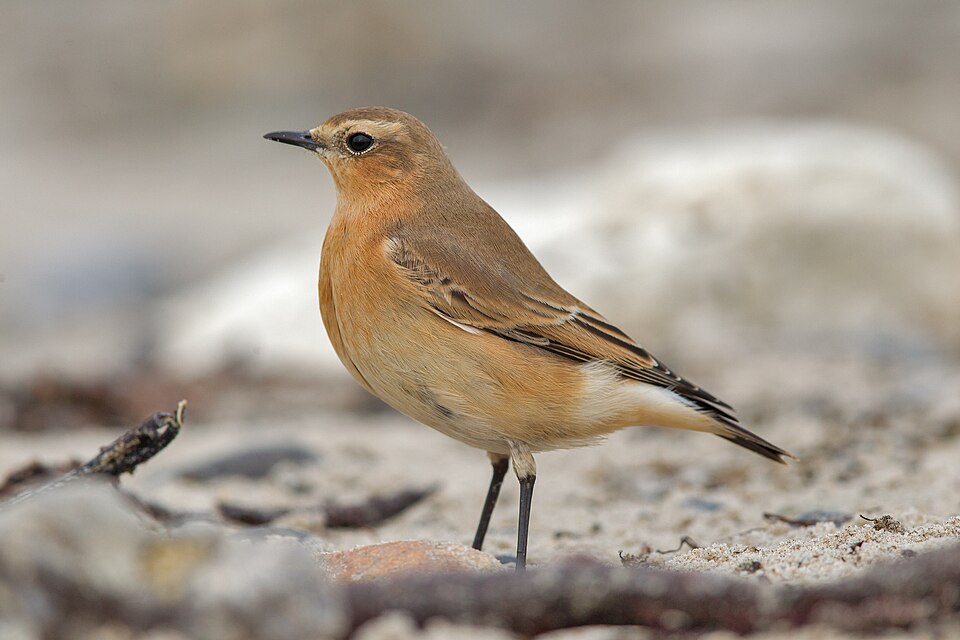
ハシグロヒタキ (Oenanthe oenanthe) ハシグロヒタキ
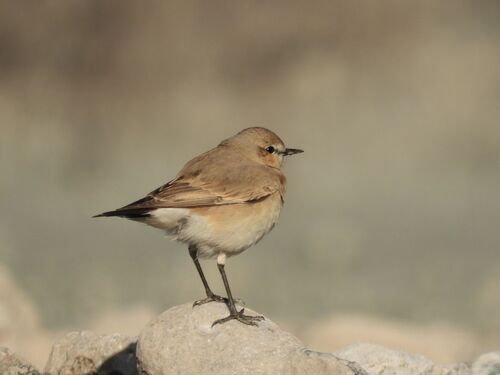
イナバヒタキ (Oenanthe isabellina) イナバヒタキ

メディア

読み込み中…

要点

ノハラヒタキとイナバヒタキの最も信頼できるフィールドマークは尾羽のパターンです:ノハラヒタキは先端に太い黒い「逆T」がある白い尾羽を示し、一方イナバヒタキは中央の羽により広範な黒があり、先端と縁が狭い黒で構成された主に白い尾羽を持っています。イナバヒタキはまた、ノハラヒタキに比べて明らかに色が薄く、体が大きく、直立しており、くちばしが長く、全体的に砂色または羊皮紙色のトーンを持っています。両者は雌や秋の羽毛では似て見えることがありますが、イナバの薄い下羽と全体的な砂色の色合いは良い手がかりです。構造的な違いや微妙な羽毛の手がかり、特に飛行中や遠くからの観察が、これら二種を区別する鍵となります。

識別のコツ

  1. 尾羽のパターンが鍵: ノハラヒタキは常に先端に太い黒い逆「T」がある白い尾羽を示します(すべての年齢と性別)。イナバヒタキは白い尾羽の基部を持っていますが、中央の羽に黒がより広範で、狭い縁と先端を形成し、整った「T」がありません。
  2. 下羽の色: 飛行中、イナバヒタキは白い下羽の覆羽と腋羽を持ち、ノハラヒタキのものは灰色のまだら模様です。これは、飛行中や羽繕い中の鳥に最も役立ちます。
  3. 全体的な色合い: イナバヒタキは常に色が薄く、上も下も砂色または羊皮紙色で、クリーム色の腹部と淡い胸を持っています。ノハラヒタキは上が灰色(オス)または茶色(雌/秋)で、砂色のトーンがあまり均一ではありません。
  4. 眉班と耳覆い: イナバヒタキは長いクリーム色の眉班と薄い耳覆いを示し、より開いた顔の印象を与えます。ノハラの眉班は対照が少なく、耳覆いはそれほど薄くありません。
  5. くちばしと頭の形: イナバヒタキはくちばしが長く、頭のプロファイルがより細長いのに対し、ノハラはくちばしが短く、頭が丸いです。
  6. 姿勢: イナバヒタキはより直立しており、脚が長く見え、しばしばより高く、より警戒しているように見えます。ノハラはよりコンパクトで水平です。
  7. サイズ: イナバヒタキはわずかに大きく、がっしりしていますが、これは直接比較や経験がないと明らかではありません。
  8. 幼鳥の翼のパターン: 両種とも幼鳥/初冬羽毛では特徴的な上翼パネルやWパターンが欠けているため、これらの年齢では尾羽と下羽に依存します。
  9. 性差: 繁殖羽毛のオスのノハラヒタキは灰色で黒いマスクと翼を持ち、イナバヒタキとは異なります。雌と秋のノハラはイナバヒタキに似て見えることがありますが、砂色が少なく、翼が暗いです。
  10. 生息地の文脈: 岩の多い山岳地帯ではノハラヒタキがより可能性が高く、開けた草原や砂地の平原、特に中央アジアではイナバヒタキが好まれます。
  11. 行動: イナバヒタキは長い跳躍で移動し、より直立しています。ノハラは動きや姿勢がよりチャットのようです。
  12. 声: ノハラの「チャック」という呼び声は聞こえた場合に役立つかもしれませんが、必ずしも診断的ではありません。
  13. 落とし穴: 秋と雌のノハラヒタキはイナバヒタキと混同される可能性が最も高く、特に鈍い光や遠くからの場合です。尾羽のパターンと全体的なトーンに焦点を当ててください。
  14. 飛行中の観察: 飛行中の鳥に対しては尾羽のパターンと下羽の色を優先してください。これらはすべての年齢において最も信頼できる区別のマークです。
  15. 疑わしい場合: 鳥が非常に薄く、直立しており、長いくちばしと整った「T」がない尾羽を持っている場合はイナバヒタキを優先してください。灰色で、よりコンパクトで、尾羽に鮮明な黒い「T」がある場合はノハラです。

大きさ

イナバヒタキは二種の中で大きく、長さは15–16.5 cm、重さは約29 g [wikidata]で、ノハラヒタキはわずかに小さく、14.5–16 cm、17–30 gです。違いは微妙ですが、直接比較では目立つことがあります:イナバヒタキはがっしりしており、長く見え、より直立した姿勢を持っています。くちばしの長さもイナバヒタキの方が大きく、長い頭の印象を与えます。両者は翼幅は似ていますが、イナバヒタキの長い脚とくちばしはフィールドでより明らかです。

羽色

両種の幼鳥と初冬の鳥は難しい場合があります。なぜなら、両者は成鳥のオスの鮮明な黒と白のコントラストが欠けているからです。しかし、ノハラヒタキ(すべての年齢)は白い尾羽と尾の先端に明確な黒い「T」を示し、一方イナバヒタキの尾羽は基部が白ですが、中央の羽により広範な黒があり、狭い黒い縁と先端を持ち、整った「T」がありません。飛行中、イナバヒタキの下羽の覆羽と腋羽は白(ノハラのように灰色のまだら模様ではありません)で、よく見えれば決定的な手がかりになります。繁殖羽毛の成鳥のオスのノハラヒタキは上が灰色で、黒い顔のマスクと翼を持ち、イナバヒタキは全体が砂色または羊皮紙色で、両性とも似ています。雌と秋のノハラヒタキは上が茶色ですが、イナバヒタキよりも砂色が少なく、翼は黒っぽいのではなく暗い茶色です。イナバヒタキは常に薄いクリーム色の眉班と薄い耳覆いを示し、全体的な色合いはより均一で薄いです。両者は白い尾羽を持っていますが、尾羽のパターンと全体的なトーンが最も良いフィールドマークです。

行動

イナバヒタキはより直立している傾向があり、しばしばより高く立ち、小さなツグミやヒバリを思わせることがあり、長い跳躍で移動します。ノハラヒタキはよりコンパクトで水平で、短い跳躍とよりチャットのような姿勢を持っています。両種とも活発で落ち着きがありませんが、イナバヒタキの長い脚とくちばしがその独特の姿勢に寄与しています。飛行中、両種は白い尾羽を示しますが、イナバヒタキの飛行はより浮遊感があり、直接的でないと表現されることが多いです。

生息環境

両種は開けた国を好みますが、ノハラヒタキはヨーロッパ、アジア、さらには北アメリカを含む広範な範囲で石や岩の多い地域で繁殖し、一方イナバヒタキは南ロシア、中央アジア、北パキスタンの草原、乾燥した平原、高い高原に典型的です。冬には、両者は開けた、しばしば半乾燥した地域に移動しますが、イナバヒタキは砂地により関連があり、ノハラヒタキの生息地のいくつかに典型的な岩の多い山岳地帯では見つかりにくいです。

声

ノハラヒタキは笛のような、パリパリとした歌と典型的な「チャック」という呼び声を持ち、これは飛行中にも発せられます。イナバヒタキの歌はここでは詳細に説明されていませんが、両種は繁殖シーズン以外は一般的に静かです。声はほとんどの文脈での区別のための主要なフィールドマークではありませんが、ノハラの呼び声は聞こえた場合により馴染みがあり、特徴的かもしれません。

より良い説明を送る

比較と同じ項目を使ってください。文章はすぐに公開されます。

The most reliable field mark between Northern Wheatear and Isabelline Wheatear is the tail pattern: Northern Wheatear shows a white tail with a bold black 'inverted T' at the tip, while Isabelline Wheatear has a mostly white tail with more extensive black on the central feathers and a narrower black tip and edge. Isabelline Wheatear is also distinctly paler, larger, and more upright, with a longer bill and a sandy or parchment overall tone, compared to the greyer, more compact Northern Wheatear. Both can look similar in female or autumn plumage, but Isabelline’s pale underwing and overall sandy coloration are good clues. Structural differences and subtle plumage cues, especially in flight or at a distance, are key to separating these two.

  1. Tail pattern is key: Northern Wheatear always shows a white tail with a bold black inverted 'T' at the tip (all ages and sexes). Isabelline Wheatear has a white tail base, but the black is more extensive on the central feathers and forms a narrower edge and tip, lacking the neat 'T'.
  2. Underwing color: In flight, Isabelline Wheatear has white underwing coverts and axillaries, while Northern Wheatear’s are mottled with grey. This is most useful on birds in flight or when preening.
  3. Overall coloration: Isabelline Wheatear is always paler, sandy or parchment-colored above and below, with a creamy-white belly and buff breast. Northern Wheatear is greyer above (male) or brownish (female/autumn), with less uniform sandy tones.
  4. Supercilium and ear-coverts: Isabelline shows a long, creamy-white supercilium and paler ear-coverts, giving a more open-faced look. Northern’s supercilium is less contrasting, and the ear-coverts are not as pale.
  5. Bill and head shape: Isabelline has a longer bill and a more elongated head profile, while Northern is shorter-billed and rounder-headed.
  6. Posture: Isabelline stands more upright and appears longer-legged, often looking taller and more alert. Northern is more compact and horizontal.
  7. Size: Isabelline is slightly larger and bulkier, but this is only obvious with direct comparison or experience.
  8. Wing pattern in immatures: Both species lack distinctive upperwing panels or W-patterns in juvenile/first-winter plumage, so rely on tail and underwing for these ages.
  9. Sexual dimorphism: Male Northern Wheatear in breeding plumage is grey with a black mask and wings, unlike any Isabelline. Female and autumn Northern can look similar to Isabelline but are less sandy and have darker wings.
  10. Habitat context: In rocky or mountainous areas, Northern Wheatear is more likely; in open steppe or sandy plains, especially in Central Asia, Isabelline is favored.
  11. Behavior: Isabelline moves with longer hops and is more upright; Northern is more chat-like in movement and stance.
  12. Voice: Northern’s 'chack' call may help if heard, but is not always diagnostic.
  13. Pitfalls: Autumn and female Northern Wheatears are the most likely to be confused with Isabelline, especially in dull light or at a distance. Focus on tail pattern and overall tone.
  14. Flight views: Prioritize tail pattern and underwing color for birds in flight; these are the most reliable separation marks for all ages.
  15. When in doubt: If the bird appears very pale, upright, with a long bill and a tail lacking a neat 'T', favor Isabelline; if greyer, more compact, and with a crisp black 'T' on the tail, it is Northern.

Isabelline Wheatear is the larger of the two, measuring 15–16.5 cm in length and weighing around 29 g [wikidata], while Northern Wheatear is slightly smaller at 14.5–16 cm and 17–30 g. The difference is subtle but can be noticeable in direct comparison: Isabelline appears bulkier and longer, with a more upright stance. Bill length is also greater in Isabelline, giving it a longer-headed look. Both are similar in wingspan, but Isabelline’s longer legs and bill are often more apparent in the field.

Juvenile and first-winter birds of both species can be tricky, as both lack the crisp black-and-white contrasts of adult males. However, Northern Wheatear (all ages) shows a white rump and tail with a clear black 'T' at the tip, while Isabelline Wheatear’s tail is white at the base but has more extensive black on the central feathers and a narrower black edge and tip, lacking the neat 'T'. In flight, Isabelline’s underwing coverts and axillaries are white (not grey-mottled as in Northern), which can be a clincher if seen well. Adult male Northern Wheatear in breeding plumage is grey above with a black face mask and wings, while Isabelline is sandy or parchment throughout, with both sexes similar. Female and autumn Northern Wheatear are browner above but still less sandy than Isabelline, and their wings are darker brown rather than blackish. Isabelline always shows a pale creamy supercilium and paler ear-coverts, and its overall coloration is more uniform and pale. Both have white rumps, but the tail pattern and overall tone are the best field marks.

Isabelline Wheatear tends to be more upright and often stands taller, sometimes reminiscent of a small thrush or lark, and moves with long hops. Northern Wheatear is more compact and horizontal, with shorter hops and a more chat-like stance. Both species are active and restless, but Isabelline’s longer legs and bill contribute to its distinctive posture. In flight, both species show white rumps, but Isabelline’s flight is often described as more buoyant and less direct.

Both species favor open country, but Northern Wheatear breeds in stony, rocky areas across a vast range including Europe, Asia, and even North America, while Isabelline Wheatear is more typical of steppe, arid plains, and high plateaux in southern Russia, Central Asia, and northern Pakistan. In winter, both move to open, often semi-arid areas, but Isabelline is more associated with sandy ground and less likely to be found in rocky or mountainous habitats typical of some Northern Wheatear sites.

Northern Wheatear has a whistling, crackly song and a typical 'chack' call, which is also given in flight. Isabelline Wheatear’s song is not described in detail here, but both species are generally quiet outside the breeding season. Voice is not a primary field mark for separation in most contexts, but Northern’s calls may be more familiar and distinctive if heard.

変更を破棄しますか?

保存していない編集があります。今離れると失われます。

ハシグロヒタキ · イナバヒタキ · 苦手な鳥