
Motmot

ニセアカハネシャコ 対 ヨーロッパウズラ

Scleroptila gutturalis 対 Coturnix coturnix

ニセアカハネシャコとヨーロッパウズラのクイズ
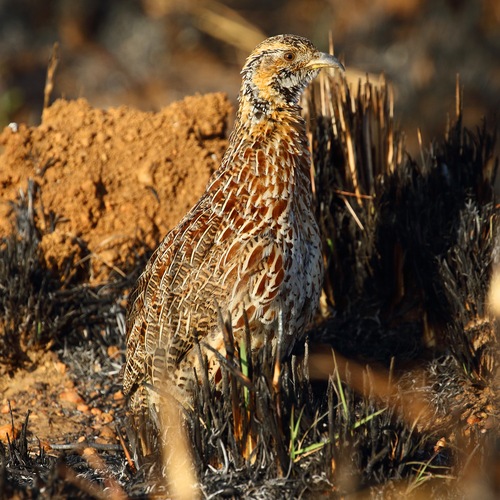
ニセアカハネシャコ (Scleroptila gutturalis) ニセアカハネシャコ
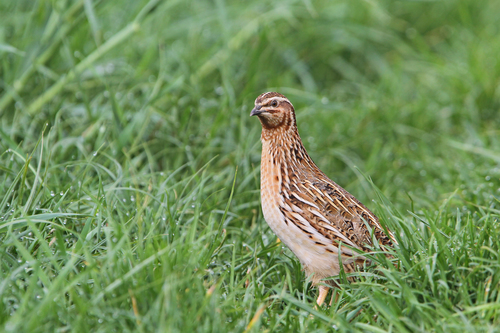
ヨーロッパウズラ (Coturnix coturnix) ヨーロッパウズラ

メディア

読み込み中…

要点

オレンジリバーシャコとヨーロッパウズラを区別する最も信頼できるフィールドマークは、全体の構造とサイズです:シャコははるかに大きく、ずんぐりしていて、首が長いのに対し、ヨーロッパウズラは小さく、コンパクトで、尾が短いです。羽毛では、ヨーロッパウズラは特徴的な白いアイストライプを示し、オスでは白い顎を持っていますが、オレンジリバーシャコはこれらの特徴がなく、代わりに首のライン(地域によって程度が異なる)とバフまたは白っぽい腹部を示します。飛行中、ヨーロッパウズラの長く尖った翼は、シャコのより丸みを帯びた、ゲームバードのような翼と対照的です。生息地と行動も役立ちます:シャコは開けた草原や森林を好むのに対し、ウズラはしばしば耕作されたまたは草の生えたフィールドにいて、近距離でフラッシュする可能性が高いです。声は直接比較においてあまり役立たず、ヨーロッパウズラの鳴き声は特徴的ですが、シャコの鳴き声はこれらの情報源ではあまり詳しく記述されていません。

識別のコツ

  1. サイズと構造:オレンジリバーシャコはヨーロッパウズラよりもはるかに大きく、ずんぐりしています。シャコでは、長い首、長い脚、より直立した鶏のような姿勢を探してください。ウズラは小さく、丸く、ずんぐりしています。
  2. 頭の模様:ヨーロッパウズラは大胆な白いアイストライプを示し、オスでは白い顎を持っています。オレンジリバーシャコはどちらも欠いています;代わりに、目に達するか(南部の鳥)、または短く止まる(北部の鳥)首のライン(首の暗い線)を探してください。
  3. 腹の色:オレンジリバーシャコでは、南部の個体群では腹がバフで、北部の個体群では白っぽいです。ヨーロッパウズラの腹部は縞模様ですが、明確にバフまたは白い腹ではありません。
  4. 飛行中の翼の形:ヨーロッパウズラは移動のために長く尖った翼を持ち、迅速で直接的な飛行をします。シャコの翼は短く、より丸みを帯びており、ゲームバードに典型的な遅くて重い飛行をします。
  5. 尾:ウズラは非常に短い尾を持ち、飛行中または地面でほとんど見えません。シャコはより明らかな、しかしまだ短い尾を持っています。
  6. 地上での行動:シャコは開けた場所を歩く可能性が高く、時には小さな群れで、直立しているように見えます。ウズラは秘密主義で、低くしゃがみ、フラッシュされる以外はほとんど見られません。
  7. フラッシュ行動:ウズラは突然フラッシュし、急速に飛び去り、しばしばカバーに戻ります。シャコはフラッシュする前に走ることがあり、爆発的に飛ぶことは少ないです。
  8. 声:もし繰り返される三音の「ウェット・マイ・リップス」という鳴き声が聞こえたら、それはヨーロッパウズラです。シャコの鳴き声はここでは記述されていないので、この鳴き声がないことは診断的ではありません。
  9. 生息地:南部アフリカでは、シャコは草原と森林に生息しています。ウズラは耕作されたフィールドや乱された草原にいる可能性が高く、特に移動中や冬に見られます。
  10. 地域的な変異:北東アフリカにいる場合、目に達しない首のライン(シャコ)と白っぽい腹を確認してください;南部アフリカでは、首のラインが目に達し、腹はバフです。
  11. 性差:オスのヨーロッパウズラは白い顎を持っています;メスは持っていませんが、両性とも白いアイストライプがあります。シャコの性は似ています。
  12. 羽毛の落とし穴:両種は茶色で縞模様ですが、ウズラだけが大胆なアイストライプと白い顎を持っています。シャコの頭は首のラインを除いては平坦です。
  13. 移動の文脈:もしフランコリンの範囲外でヨーロッパや北アフリカで見られた場合、それはヨーロッパウズラです。南部アフリカでは、サイズと頭の模様を確認してください。
  14. 群れのサイズ:シャコはペアまたは小さな群れでいることがあります;ウズラは通常孤独または緩い小さな群れでいます。
  15. 飼育されている鳥:もし飼育下で見られた場合、鳴き声と頭の模様を確認してください。ヨーロッパウズラは時々家禽として飼われています。

大きさ

ヨーロッパウズラは小さく、コンパクトな鳥で、長さは16〜18 cm、翼幅は32〜35 cm、体重は70〜140 gです [wikipedia]。オレンジリバーシャコはかなり大きく、ずんぐりしており、シャコに典型的ですが、正確な測定値は情報源には記載されていません。シャコの長い首と脚、そしてその重い体格は、特に二つが似たような状況で見られるときに、フィールドで明らかです。ウズラはずんぐりして丸く、短い尾と低いプロファイルを持ち、シャコは直立して鶏のようです。

羽色

幼鳥と未成熟の羽毛は、情報源には詳細に記述されていませんが、成鳥には明確な対比が見られ、ほとんどの年齢に当てはまる可能性があります。ヨーロッパウズラは全体的に茶色の縞模様で、明確な白いアイストライプと、オスでは白い顎を持っています。翼は長く尖っており、移動に適していて、飛行中に大胆な上翼パネルや対照的な模様はありません。オレンジリバーシャコは白いアイストライプと白い顎がなく、代わりに地域によって異なる首のライン(首の暗い線)を示します:南部の個体群では目に達し、腹はバフで、北部の鳥では首のラインが目に達せず、腹は白っぽいです。シャコの羽毛は一般的により均一で、頭部の印があまり目立ちません。飛行中、シャコの翼は短く、丸みを帯びており、非移動性のゲームバードに典型的です。

行動

ヨーロッパウズラは秘密主義で、声でのみ検出されることが多く、近距離で急速で直接的な飛行でフラッシュします。その移動性の性質により、移動中に開けたフィールドで見られることがありますが、すぐにカバーに戻ります。オレンジリバーシャコは、開けた草原や森林を歩いているのが見られる可能性が高く、しばしばペアまたは小さな群れで、近づかない限りフラッシュする可能性は低いです。その動きはより意図的で直立しており、ウズラよりも小さな鶏に似ています。

生息環境

オレンジリバーシャコは南部および東部アフリカの草原と森林に生息し、羽毛には地域的な変異があります。ヨーロッパウズラはユーラシアで繁殖し、アフリカと南インドで冬を越し、耕作されたフィールド、草地、草の生えた地域を好みます。両者は草原に生息することがありますが、シャコは自然の開けた生息地により関連し、ウズラは農業または乱された草原に関連しています。南部アフリカでは、シャコは定住していますが、ウズラは主に移動者または冬の訪問者として存在します。

声

ヨーロッパウズラは、三回繰り返される鳴き声の特徴的な呼び声を持ち、しばしば「ウェット・マイ・リップス」と表現され、迅速に繰り返されます。この呼び声は、夜明けと夕暮れに頻繁に聞かれ、この種の主要な検出方法です。オレンジリバーシャコの呼び声は提供された情報源では記述されていないため、ウズラの呼び声が明確に聞こえない限り、声は信頼できる区別の特徴ではありません。

より良い説明を送る

比較と同じ項目を使ってください。文章はすぐに公開されます。

The most reliable field mark to separate Orange River Francolin from Common Quail is overall structure and size: the francolin is much larger, bulkier, and longer-necked, while Common Quail is small, compact, and short-tailed. In plumage, Common Quail shows a distinctive white eyestripe and, in males, a white chin, whereas Orange River Francolin lacks these features and instead shows a neck-line (which varies in extent by region) and a buff or whitish belly. In flight, Common Quail’s long, pointed wings contrast with the francolin’s more rounded, gamebird-like wings. Habitat and behavior also help: francolins prefer open grassland and woodland, while quail are often in cultivated or grassy fields and are more likely to flush at close range. Voice is rarely helpful in direct comparison, as Common Quail’s call is distinctive but the francolin’s is less well described in these sources.

  1. Size and Structure: Orange River Francolin is much larger and bulkier than Common Quail. Look for a longer neck, longer legs, and a more upright, chicken-like stance in the francolin. Quail are small, round, and squat.
  2. Head Pattern: Common Quail shows a bold white eyestripe and, in males, a white chin. Orange River Francolin lacks both; instead, look for a neck-line (dark line on the neck) that may reach the eye (southern birds) or stop short (northern birds).
  3. Belly Color: In Orange River Francolin, the belly is buff in southern populations and whitish in northern ones. Common Quail’s underparts are streaked but not distinctly buff or white-bellied.
  4. Wing Shape in Flight: Common Quail has long, pointed wings for migration, giving a swift, direct flight. Francolin wings are shorter and more rounded, with a slower, heavier flight typical of gamebirds.
  5. Tail: Quail have very short tails, often barely visible in flight or on the ground. Francolins have a more obvious, though still short, tail.
  6. Behavior on the Ground: Francolins are more likely to walk in the open, sometimes in small groups, and appear upright. Quail are secretive, crouch low, and are rarely seen except when flushed.
  7. Flush Behavior: Quail flush suddenly and fly rapidly away, often dropping back into cover. Francolins may run before flushing and fly less explosively.
  8. Voice: If you hear a repeated three-note "wet-my-lips" call, it is Common Quail. Francolin calls are not described here, so absence of this call is not diagnostic.
  9. Habitat: In southern Africa, francolins are resident in grassland and woodland. Quail are more likely in cultivated fields or disturbed grassland, especially during migration or winter.
  10. Regional Variation: If you are in northern East Africa, check for a neck-line that does not reach the eye (francolin) and a whitish belly; in southern Africa, the neck-line reaches the eye and the belly is buff.
  11. Sex Differences: Male Common Quail have a white chin; females do not, but both sexes have the white eyestripe. Francolin sexes are similar.
  12. Plumage Pitfalls: Both species are brown and streaked, but only quail have the bold eyestripe and white chin. Francolin’s head is plainer except for the neck-line.
  13. Migration Context: If seen in Europe or North Africa outside the francolin’s range, it is Common Quail. In southern Africa, check for size and head pattern.
  14. Group Size: Francolins may be in pairs or small groups; quail are usually solitary or in loose, small parties.
  15. Captive Birds: If seen in captivity, check for call and head pattern, as Common Quail are sometimes kept as poultry.

Common Quail is a small, compact bird, measuring 16–18 cm in length with a wingspan of 32–35 cm and weighing 70–140 g [wikipedia]. Orange River Francolin is considerably larger and bulkier, typical of francolins, though precise measurements are not given in the sources. The francolin’s longer neck and legs, as well as its heavier build, are obvious in the field, especially when the two are seen in similar contexts. Quail appear squat and round, with short tails and a low profile, while francolins are upright and chicken-like.

Juvenile and immature plumages are not described in detail for either species in the sources, but key contrasts are visible in adults and likely hold for most ages. Common Quail is streaked brown overall with a clear white eyestripe and, in males, a white chin. Its wings are long and pointed, suited to migration, and show no bold upperwing panels or contrasting patterns in flight. Orange River Francolin lacks a white eyestripe and white chin, instead showing a neck-line (a dark line on the neck) that varies by region: in southern populations it reaches the eye and the belly is buff, while in northern birds the neck-line does not reach the eye and the belly is whitish. The francolin’s plumage is generally more uniform and less boldly marked on the head. In flight, the francolin’s wings are shorter and rounder, typical of non-migratory gamebirds.

Common Quail is secretive, often only detected by voice, and flushes at close range with rapid, direct flight. Its migratory nature means it is sometimes seen in open fields during migration, but it quickly drops back into cover. Orange River Francolin is more likely to be seen walking in open grassland or woodland, often in pairs or small groups, and is less likely to flush unless closely approached. Its movements are more deliberate and upright, resembling a small chicken more than a quail.

Orange River Francolin inhabits grassland and woodland in southern and eastern Africa, with regional variation in plumage. Common Quail breeds in the Palearctic and winters in Africa and southern India, favoring cultivated fields, meadows, and grassy areas. While both can occur in grassland, francolins are more associated with natural open habitats, and quail with agricultural or disturbed grassland. In southern Africa, francolins are resident, while quail are present mainly as migrants or winter visitors.

Common Quail has a distinctive call of three repeated chirps, often described as "wet-my-lips" and repeated in quick succession. This call is frequently heard at dawn and dusk and is a key detection method for the species. The Orange River Francolin’s call is not described in the provided sources, so voice is not a reliable separation feature unless the quail’s call is clearly heard.

変更を破棄しますか?

保存していない編集があります。今離れると失われます。

ニセアカハネシャコ · ヨーロッパウズラ · 苦手な鳥