
Motmot

ムラサキバト 対 オオハシノスリ

Patagioenas cayennensis 対 Rupornis magnirostris

ムラサキバトとオオハシノスリのクイズ
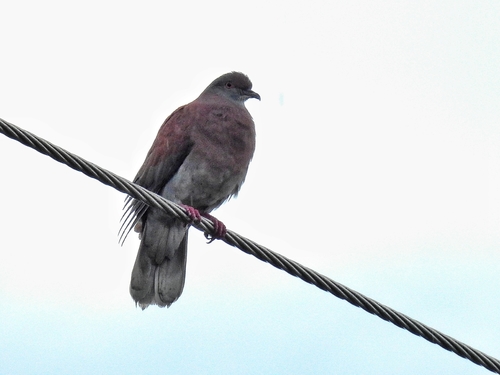
ムラサキバト (Patagioenas cayennensis) ムラサキバト
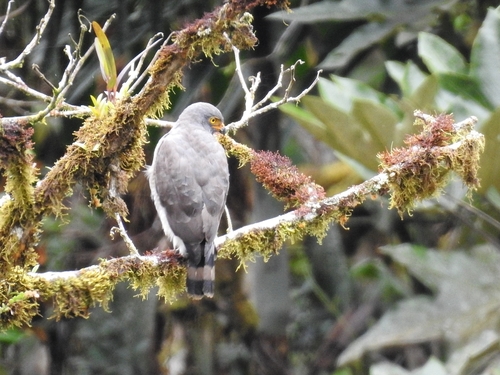
オオハシノスリ (Rupornis magnirostris) オオハシノスリ

メディア

読み込み中…

要点

ムラサキバトとオオハシノスリを区別する最も信頼できるフィールドマークは、全体的な構造と飛行スタイルです:ムラサキバトは大きく、重い体を持ち、広い翼と短い尾を持つ鳥であるのに対し、オオハシノスリはスリムで、比較的長い尾と短く丸い翼を持っています。飛行中、オオハシノスリはしばしば上昇し、縞模様の尾と腹部を見せる一方で、ムラサキバトは強く、直接的な翼の打撃で飛び、縞模様はありません。成鳥の羽毛も特徴的です:ムラサキバトは主に鈍い紫色と灰色で、淡い腹部を持ち、オオハシノスリは下部に目立つ縞模様のある茶色または灰色です。未熟なムラサキバトは非常に鈍く茶色がかっていますが、オオハシノスリの縞模様のある腹部や尾はまだありません。鳴き声は全く異なり、オオハシノスリの行動はより捕食的で目立ちます。これらの2種は近距離で混同される可能性は低いですが、特に止まっている鳥の遠くからの視界や逆光の視界では、サイズと直立姿勢が似ているため混乱を招くことがあります。

識別のコツ

  1. Flight profile: オオハシノスリは長い尾と短く丸い翼を持ち、しばしば翼を平らにして上昇または滑空しているのが見られます;ムラサキバトはより広い翼と短い尾を持ち、強く直接的な翼の打撃で飛びます。これはすべての年齢に対して信頼できます。
  2. Underpart barring: オオハシノスリ(すべての年齢)は下胸部と腹部に茶色と白の縞模様を示します;ムラサキバト(すべての年齢)は平坦で無縞の腹部を持ち、成鳥は淡い灰色または白、未熟なものは鈍い灰色がかった茶色です。
  3. Tail pattern: オオハシノスリの尾は4〜5本の灰色の帯で明確に縞模様があり、止まっている時も飛んでいる時も見えます;ムラサキバトの尾は単色の暗い灰色です。
  4. Bill shape: オオハシノスリは大きくフック状のくちばしを持ち(捕食に適応)、ムラサキバトはまっすぐで黒いくちばしを持ち(果物や種を食べるために適応)ています。これは中距離で見えます。
  5. Eye color: 成鳥のオオハシノスリは白っぽいまたは黄色の目を持ち、ムラサキバトは赤い目と赤いアイリング(成鳥)を持っています。未熟なムラサキバトは鈍いですが、まだ黄色の目はありません。
  6. Leg color: ムラサキバトは赤い脚を持ち、オオハシノスリの脚の色は診断的とはされていませんが、赤ではありません。
  7. Plumage gloss: 成鳥のムラサキバトは後頭部に銅色の光沢を示します;オオハシノスリは決してそうではありません。未熟なムラサキバトは光沢がなく、全体的に鈍いですが、まだ縞模様はありません。
  8. Rufous in wing: オオハシノスリは飛行中に翼にわずかに赤褐色を示すことがありますが、特にいくつかの亜種では;ムラサキバトは決して赤褐色を示しません。
  9. Perched posture: オオハシノスリは直立して止まり、しばしば露出した場所にいます;ムラサキバトはより大きく、より水平で、通常はより隠れた場所にいます。
  10. Behavior: オオハシノスリは捕食的で、しばしば狩りや上昇しているのが見られます;ムラサキバトは静かに餌を食べたり、木の間を飛んだりしているのが見られることが多いです。
  11. Vocalization: オオハシノスリの鳴き声は鋭く高音のキーキー音で、ムラサキバトの柔らかいククク・クルーオーとは異なります。呼び声は似ていません。
  12. Habitat: オオハシノスリは非常に開けた場所、道路脇、都市公園で一般的です;ムラサキバトは森林の端、川岸、より多くの樹木の覆いのある場所を好みます。
  13. Sex/age confusion: メスのオオハシノスリは大きいですが、両性は同じ羽毛を示します;未熟なムラサキバトは鈍い灰色がかった茶色ですが、まだ縞模様や赤褐色はなく、オオハシノスリよりも大きいです。
  14. Flock size: ムラサキバトは特に水辺で小さな群れでいることがあります;オオハシノスリは通常孤独です。
  15. Common pitfalls: 遠くに止まっている鳥はサイズや姿勢が似ているように見えることがありますが、尾の模様や腹部の縞模様はどの距離でも信頼できます。未熟なムラサキバトは鈍いですが、決して縞模様や赤褐色を示しません。

大きさ

ムラサキバトは大きな鳩で、30〜32 cmの長さで、230〜250 gの重さです [wikipedia]。オオハシノスリはわずかに長く(31〜41 cm)、重さも(250〜300 g)ですが、違いは微妙で、現場では常に明らかではありません [wikipedia]。オオハシノスリはより細身で、体に対して尾が長く、翼が短いのに対し、ムラサキバトはより大きく、よりバレル状の胸を持っています。両者の性別は似ていますが、メスのオオハシノスリはオスより約20%大きいです;これは通常、鳥が並んでいない限り明らかではありません。

羽色

未熟なムラサキバトは非常に鈍く、全体的に灰色がかった茶色で、縞模様や強いコントラストはなく、上部と下部で均一な外観を示します。成鳥は鈍い紫色の頭、胸部、上部に後頭部に銅色の光沢があり、淡い灰色(または南部の一部の鳥では白)の下部、暗い灰色の尾と下背部を持っています。腹部は淡い色で、名前が示す通りです。対照的に、すべての年齢のオオハシノスリは縞模様のある茶色と白の下部と、4または5本の灰色の帯のある尾を示し、止まっている時も飛んでいる時も見えます。オオハシノスリの上部は茶色または灰色で、時には飛行中に翼に赤褐色の色合いが見られます。オオハシノスリの目は白っぽいまたは黄色で、ムラサキバトの目は赤です。オオハシノスリのくちばしは比較的大きくフック状で、ムラサキバトのくちばしはまっすぐで黒いです。オオハシノスリの羽毛は亜種によって変動しますが、縞模様のある下部と尾の組み合わせは一貫しています。

行動

ムラサキバトは通常孤独または小さな群れで、果物や種を静かに食べ、しばしば森林の端や川岸で見られます。その飛行は強く、直接的で高く、定期的な翼の打撃と時折の鋭いフリックを伴います。半円形の滑空を伴うディスプレイ飛行を行うことがあります。オオハシノスリははるかに目立ち、しばしば露出した場所に止まり、しばしばワイヤーや露出した枝の上にいて、非常に声が大きいです。オオハシノスリは止まり木から獲物に落ち、しばしば翼を平らにして上昇します。オオハシノスリはホバリングしません。ムラサキバトの行動はより秘密主義的で、捕食的ではありません。

生息環境

両種は木のある部分的に開けた地域に生息しますが、彼らのマイクロハビタットの好みは異なります。ムラサキバトは森林の端、川岸、開けた森林で一般的で、非常に開けた国を避けることが多いです。オオハシノスリはその範囲で最も一般的な猛禽類であり、道路脇(名前が示す通り)、サバンナ、さらには都市公園など、さまざまな開けたおよび半開けた生息地で見られます。オオハシノスリは非常に開けた場所や露出した場所に止まっているのが見られることが多いのに対し、ムラサキバトはより多くの覆いのある場所を好みます。

声

ムラサキバトは柔らかくリズミカルなククク・クルーオーを出し、最初のククはそのグループに特有のものです。オオハシノスリは非常に高音で鋭いキーキー音を出し、ムラサキバトのクーイングよりもはるかに鋭く、猛禽類のようです。呼び声は耳で混同されることはないでしょう。

より良い説明を送る

比較と同じ項目を使ってください。文章はすぐに公開されます。

The most reliable field mark to separate Pale-vented Pigeon from Roadside Hawk is overall structure and flight style: the pigeon is a large, heavy-bodied bird with broad wings and a short tail, while the hawk is slimmer, with a relatively long tail and short, rounded wings. In flight, the hawk often soars and shows a barred tail and underparts, while the pigeon flies with strong, direct wingbeats and lacks any barring. Adult plumage is also distinctive: the pigeon is mostly dull purple and grey with a pale vent, while the hawk is brown or grey with prominent barring below. Immature pigeons are very dull and brownish, but still lack the hawk's barred underparts and tail. Vocalizations are completely different, and the hawk's behavior is more predatory and conspicuous. These two species are unlikely to be confused at close range, but distant or backlit views, especially of perched birds, can cause confusion due to similar size and upright posture.

  1. Flight profile: Roadside Hawk has a long tail and short, rounded wings, often seen soaring or gliding with wings flat; Pale-vented Pigeon has broader wings and a shorter tail, flying with strong, direct wingbeats. This is reliable for all ages.
  2. Underpart barring: Roadside Hawk (all ages) shows brown and white barring on the lower breast and belly; Pale-vented Pigeon (all ages) has plain, unbarred underparts—pale grey or white in adults, dull grey-brown in immatures.
  3. Tail pattern: Hawk's tail is distinctly barred with 4–5 grey bands, visible both perched and in flight; pigeon's tail is plain dark grey.
  4. Bill shape: Hawk has a large, hooked bill (adapted for predation); pigeon has a straight, black bill (adapted for fruit/seed eating). This is visible at moderate range.
  5. Eye color: Adult hawks have whitish or yellow eyes; pigeons have red eyes and red eyering (adults). Immature pigeons are duller, but still lack yellow eyes.
  6. Leg color: Pigeon has red legs; hawk's leg color is not described as diagnostic, but is not red.
  7. Plumage gloss: Adult pigeons show coppery gloss on the nape; hawks never do. Immature pigeons lack gloss and are overall duller, but still lack barring.
  8. Rufous in wing: Hawk may show a touch of rufous on the wings in flight, especially in some subspecies; pigeon never shows rufous.
  9. Perched posture: Hawk perches upright, often in exposed locations; pigeon is bulkier and more horizontal, usually in more concealed spots.
  10. Behavior: Hawk is predatory, often seen hunting or soaring; pigeon is more likely to be seen feeding quietly or flying between trees.
  11. Vocalization: Hawk's call is a sharp, high-pitched squeak; pigeon's is a soft kuk kuk croo-ooos. Calls are not similar.
  12. Habitat: Hawk is common in very open areas, roadsides, and urban parks; pigeon prefers forest edges, riverbanks, and areas with more tree cover.
  13. Sex/age confusion: Female hawks are larger, but both sexes show same plumage; immature pigeons are dull grey-brown, but still lack any barring or rufous, and are bulkier than hawks.
  14. Flock size: Pigeon may be in small flocks, especially at water; hawk is usually solitary.
  15. Common pitfalls: Distant perched birds can look similar in size and posture, but tail pattern and underpart barring are reliable at any range. Immature pigeons are dull, but never show barring or rufous.

Pale-vented Pigeon is a large pigeon, 30–32 cm long and weighing 230–250 g [wikipedia]. Roadside Hawk is slightly longer (31–41 cm) and heavier (250–300 g), but the difference is subtle and not always apparent in the field [wikipedia]. The hawk is more slender, with a longer tail and shorter wings relative to its body, while the pigeon is bulkier and more barrel-chested. Sexes are similar in both, though female hawks are about 20% larger than males; this is not usually obvious unless birds are side by side.

Juvenile and immature Pale-vented Pigeons are very dull, greyish-brown overall, lacking any barring or strong contrast, and show a uniform appearance above and below. Adults have a dull purple head, breast, and upperparts with copper gloss on the nape, pale grey (or white in some southern birds) lower underparts, and a dark grey tail and lower back. The vent is pale, as the name suggests. In contrast, Roadside Hawk of all ages shows barred brown and white underparts and a tail with four or five grey bars, which are visible both perched and in flight. The hawk's upperparts are brown or grey, sometimes with a rufous tinge on the wings, especially in flight. The hawk's eyes are whitish or yellow, while the pigeon's are red. The hawk's bill is relatively large and hooked, while the pigeon's is straight and black. The hawk's plumage is variable by subspecies, but the combination of barred underparts and tail is consistent.

Pale-vented Pigeon is usually solitary or in small flocks, feeding quietly on fruit and seeds, often at forest edges or riverbanks. Its flight is strong, direct, and high, with regular wingbeats and occasional sharp flicks. It may perform a display flight with a semi-circular glide. Roadside Hawk is much more conspicuous, frequently perching in the open, often on wires or exposed branches, and is highly vocal. It hunts from a perch, dropping on prey, and often soars on thermals with wings held flat. The hawk does not hover. The pigeon's behavior is more secretive and less predatory.

Both species occur in partially open areas with trees, but their microhabitat preferences differ. Pale-vented Pigeon is common at forest edges, riverbanks, and open woodlands, usually avoiding very open country. Roadside Hawk is often the most common raptor in its range, found in a wide variety of open and semi-open habitats, including roadsides (as the name suggests), savannas, and even urban parks. The hawk is more likely to be seen in very open areas or perched in exposed locations, while the pigeon prefers areas with more cover.

Pale-vented Pigeon gives a soft, rhythmic kuk kuk croo-ooos, with the initial kuk being distinctive for its group. Roadside Hawk has a very high-pitched, piercing squeak, which is much sharper and more raptor-like than the pigeon's cooing. The calls are not likely to be confused by ear.

変更を破棄しますか?

保存していない編集があります。今離れると失われます。

ムラサキバト · オオハシノスリ · 苦手な鳥