
Motmot

アカトビ 対 トビ

Milvus milvus 対 Milvus migrans

アカトビとトビのクイズ
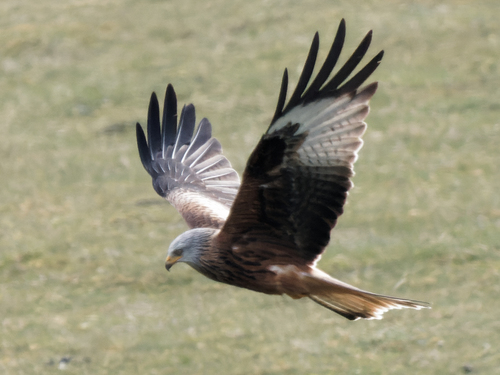
アカトビ (Milvus milvus) アカトビ
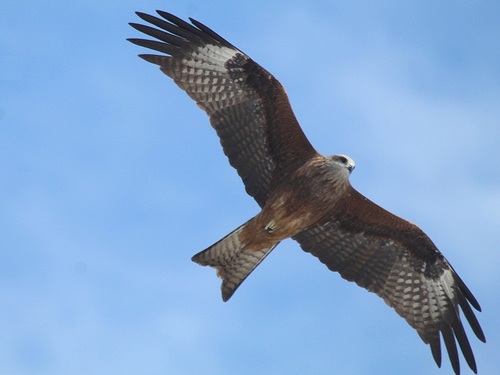
トビ (Milvus migrans) トビ

メディア

読み込み中…

要点

アカトビとトビを区別するための最も信頼できるフィールドマークは、飛行中の尾の形状です:アカトビは長く、深く分かれた尾を示し(特に成鳥)、トビは短く、あまり分かれていないか、わずかに丸みを帯びた尾を持っています。幼鳥のアカトビは、トビには見られない上翼のカバーに沿った特徴的な淡い線を示します。アカトビは全体的に赤褐色で、初列風切羽に対照的な白い斑点がありますが、トビはより均一な暗褐色で、赤褐色のトーンがありません。アカトビは飛行中に全体的に優雅で、しばしば翼を顕著な二面角で持ち上げて滑空しますが、トビはより頑丈で、より労力を要するように見えます。両種は遠くからは混同されることがありますが、尾の形状、翼のパターン、全体的な色合いに注意を払うことで、ほとんどのフィールド識別が解決されます。

識別のコツ

  1. Tail Shape in Flight: アカトビ(すべての年齢)は長く、深く分かれた尾を持ち、特に成鳥では明らかです;トビの尾は短く、浅く分かれているか、わずかに丸みを帯びています。これは最も信頼できるフィールドマークです。
  2. Juvenile Upperwing Pattern: 幼鳥のアカトビは、上翼と下翼の両方の大きなカバーに沿った長く、狭い淡い線を示し、飛行中に見えます;トビはどの年齢でもこの特徴を示しません。
  3. Tail Pattern in Juveniles: 幼鳥のアカトビの尾は成鳥よりも深く分かれていませんが、トビよりはまだ深く分かれています。また、暗い下端の帯を示します;トビの幼鳥はこれを欠き、より均一な尾を持っています。
  4. Overall Coloration: アカトビは体、上尾、翼のカバーが赤褐色で、白い初列斑点と黒い翼先端があります;トビは均一な暗褐色で、時々頭や首が淡いですが、決して赤褐色や白い翼の斑点はありません。
  5. Wing Pattern: アカトビの成鳥は、黒い翼先端と暗い二次羽に対して白い初列斑点があります;トビの翼はより均一に暗く、強いコントラストや白い斑点はありません。
  6. Flight Jizz: アカトビは優雅で、長い翼を二面角で持ち、常に動く尾を持っています;トビは頑丈で、二面角があまり目立たず、より直接的で浮遊感の少ない飛行をします。
  7. Size and Structure: アカトビは大きく、翼が長く、尾も長いです;トビは小さく、よりコンパクトで、尾が短いです。これは両種が一緒に見られるときに最も明らかです。
  8. Bill and Cere: 両種ともに黄色のセレと脚を持っていますが、トビのくちばしは黒く、アカトビのくちばしは淡いです。これは微妙で、遠くからはあまり見えません。
  9. Breast Streaking: 成鳥のアカトビは黒い胸の縞模様があります;幼鳥は淡い縞模様を持っています。トビは暗い羽軸のために縞模様のある腹部を示しますが、赤褐色の洗いはありません。
  10. Head Color: トビは特に一部の亜種で頭と首が淡いことが多いですが、これはアカトビの全体的な赤褐色ほど目立ちません。
  11. Habitat Context: ヨーロッパでは、アカトビは農村の開けた国や森林の端にいる可能性が高いです;トビは水の近く、ゴミ捨て場、都市部で一般的です。
  12. Behavior Around Humans: トビは大胆で、町や都市でのゴミ漁りがより可能性があります;アカトビはより内気で、より農村的です。
  13. Vocalizations: アカトビは細く、ピーピーという呼び声を出します;トビの呼び声は鋭い口笛の後に続くヒヒヒという音のシリーズです。両種ともに飛行中はしばしば静かなので、注意が必要です。
  14. Sex and Age: 両種は性別が似ています;フィールドでのサイズの違いは微妙です。幼鳥のアカトビの淡いカバーラインが最も年齢特有のマークです。
  15. Pitfalls: 遠くから、特に光が悪い場合、トビは実際よりも尾が分かれているように見えることがあり、摩耗したり換羽中のアカトビはあまり深く分かれていないように見えることがあります。常に複数の特徴を確認し、特に飛行中の尾の形状と上翼のパターンを確認してください。

大きさ

アカトビはトビよりも明らかに大きく、重いです。アカトビの平均体重は1122gで、トビは828gです。アカトビの翼幅(175–195 cm)はトビの(約150 cm)よりも大きいです。フィールドでは、アカトビは翼が長く、尾も長く見え、より優雅で浮遊感のある飛行スタイルに寄与しています。トビはよりコンパクトで、わずかに尾が短く、印象的なシルエットはありません。

羽色

幼鳥のアカトビは、上翼と下翼の両方のすべての大きなカバーに淡い先端によって形成された長く、狭い淡い線で最もよく識別されます。この特徴は、どの年齢のトビにも見られません。幼鳥のアカトビはまた、淡い胸と腹、暗い下端の帯を持つあまり深く分かれていない尾、成鳥に比べて淡い胸の縞模様を持っています。成鳥のアカトビは体、上尾、翼のカバーが豊かに赤褐色で、白い初列斑点と黒い翼先端があります;彼らの尾は深く分かれています。すべての年齢のトビは一般的に上面と下面が暗褐色で、淡い頭と首を持ち、赤褐色のトーンや翼に強い白を欠いています。彼らの尾は浅く分かれているだけで、翼のパターンはより均一で、淡いカバーラインはありません。セレと脚は両種ともに黄色ですが、トビのくちばしは黒く、アカトビのくちばしは淡いです。性別は両種ともに似ています。

行動

アカトビは優雅で浮遊感のある滑空者で、長く傾斜のある翼で滑空し、常に動く分かれた尾を持っています。しばしば、翼を顕著な二面角(V字型)で持ち、飛行中はほとんど努力を要しないように見えます。トビもまた能力のある滑空者ですが、より直接的で優雅さに欠ける飛行をし、しばしば浅い翼の拍動と少ない尾の動きを持っています。トビは水の近く、ゴミ捨て場、または都市部でのゴミ漁りをしているのを見かけることが多く、一般的に人間の活動の周りで大胆です。アカトビは開けた田舎や森林の端に関連付けられることが多いです。

生息環境

アカトビは現在、主にヨーロッパに制限されており、開けた田舎、農地、森林の谷を好み、密集した都市部から離れています。トビははるかに広範な範囲を持ち、世界で最も豊富な猛禽類であり、水の近く、開けた国、特に町や都市の周りで一般的に見られます。ヨーロッパでは、トビは川、湖、または都市環境の近くで見られる可能性が高く、アカトビはより農村的です。

声

アカトビは細く、ピーピーという呼び声を出し、ヨーロッパノスリよりも鳴き声が少なく、一般的にトビよりも静かです。トビの呼び声は、特徴的な鋭い口笛の後に続く急速なヒヒヒという音のシリーズで、巣の周りや鳥が相互作用しているときによく聞かれます。呼び声は役立つことがありますが、両種ともに飛行中はしばしば静かなので、フィールドでの識別には常に診断的ではありません。

より良い説明を送る

比較と同じ項目を使ってください。文章はすぐに公開されます。

The most reliable field mark for separating Red Kite from Black Kite is the tail shape in flight: Red Kite shows a long, deeply forked tail (especially in adults), while Black Kite has a shorter, much less forked or even slightly rounded tail. Juvenile Red Kites also display a distinctive pale line across the upperwing coverts, lacking in Black Kite. Red Kite is overall rufous with contrasting white patches in the primaries, whereas Black Kite is a more uniform dark brown, lacking rufous tones. Red Kite is larger and more elegant in flight, often soaring with wings held in a pronounced dihedral, while Black Kite appears stockier and more labored. Both species can be confused at a distance, especially immatures, but careful attention to tail shape, wing pattern, and overall coloration will resolve most field identifications.

  1. Tail Shape in Flight: Red Kite (all ages) has a long, deeply forked tail, especially obvious in adults; Black Kite's tail is shorter, only shallowly forked or even slightly rounded. This is the single most reliable field mark.
  2. Juvenile Upperwing Pattern: Juvenile Red Kite shows a long, narrow pale line across the greater coverts on both upper- and underwing, visible in flight; Black Kite never shows this feature at any age.
  3. Tail Pattern in Juveniles: Juvenile Red Kite's tail is less deeply forked than adults but still more so than Black Kite, and shows a dark subterminal band; Black Kite juveniles lack this and have a more uniform tail.
  4. Overall Coloration: Red Kite is rufous on the body, upper tail, and wing coverts, with white primary patches and black wing tips; Black Kite is a uniform dark brown, sometimes with a paler head/neck, but never rufous or with white wing patches.
  5. Wing Pattern: Red Kite adults have white primary patches contrasting with black wing tips and dark secondaries; Black Kite's wings are more uniformly dark, with no strong contrast or white patches.
  6. Flight Jizz: Red Kite is elegant, with long wings held in a dihedral and a constantly twisting tail; Black Kite is stockier, with less pronounced dihedral and a more direct, less buoyant flight.
  7. Size and Structure: Red Kite is larger and longer-winged, with a longer tail; Black Kite is smaller, more compact, and shorter-tailed. This is most obvious when both species are seen together.
  8. Bill and Cere: Both have yellow cere and legs, but Black Kite's bill is black, while Red Kite's is paler. This is subtle and rarely visible at a distance.
  9. Breast Streaking: Adult Red Kite has black breast streaks; juveniles have pale streaks. Black Kite shows streaked underparts due to dark feather shafts but lacks the rufous wash.
  10. Head Color: Black Kite often has a paler head and neck, especially in some subspecies, but this is not as striking as the overall rufous of Red Kite.
  11. Habitat Context: In Europe, Red Kite is more likely in rural, open country and woodland edge; Black Kite is common near water, rubbish tips, and urban areas.
  12. Behavior Around Humans: Black Kite is bolder and more likely to scavenge in towns and cities; Red Kite is shyer and more rural.
  13. Vocalizations: Red Kite gives a thin, piping call; Black Kite's call is a shrill whistle followed by a whinnying series. Use with caution, as both are often silent.
  14. Sex and Age: Both species are sexually similar; size difference is subtle in the field. Juvenile Red Kite's pale covert line is the best age-specific mark.
  15. Pitfalls: At a distance, especially in poor light, Black Kite can appear more fork-tailed than it is, and worn or moulting Red Kites may look less deeply forked. Always check multiple features, especially tail shape and upperwing pattern in flight.

Red Kite is noticeably larger and heavier than Black Kite, with an average body mass of 1122 g compared to 828 g for Black Kite. Red Kite's wingspan (175–195 cm) is also greater than Black Kite's (about 150 cm). In the field, Red Kite appears longer-winged and longer-tailed, contributing to its more graceful, buoyant flight style. Black Kite is more compact and slightly shorter-tailed, with a less striking silhouette.

Juvenile Red Kites are best identified by a long, narrow pale line formed by pale tips to all greater coverts on both upper- and underwing, a feature absent in Black Kite of any age. Juvenile Red Kites also have a buff breast and belly, a less deeply forked tail with a dark subterminal band, and paler breast streaks compared to adults. Adult Red Kites are richly rufous on the body, upper tail, and wing coverts, with white primary patches and black wing tips; their tails are deeply forked. Black Kites of all ages are generally dark brown above and below, with paler heads and necks, and lack any rufous tones or strong white in the wings. Their tails are only shallowly forked, and the wing pattern is more uniform, with no pale covert lines. The cere and legs are yellow in both, but Black Kite's bill is black, while Red Kite's is paler. Sexes are similar in both species.

Red Kite is an elegant, buoyant soarer, often seen gliding on long, angled wings with a twisting, constantly moving forked tail. It frequently holds its wings in a pronounced dihedral (V-shape) and appears almost effortless in flight. Black Kite, while also a capable soarer, has a more direct, less graceful flight, often with shallower wingbeats and less tail movement. Black Kite is more likely to be seen scavenging near water, rubbish tips, or urban areas, and is generally bolder around human activity. Red Kite tends to be more associated with open countryside and woodland edges.

Red Kite is now largely restricted to Europe, favoring open countryside, farmland, and wooded valleys, often away from dense urban areas. Black Kite has a much broader range, being the world's most abundant raptor, and is commonly found near water, in open country, and especially around towns and cities where it scavenges. In Europe, Black Kite is more likely to be seen near rivers, lakes, or urban environments, while Red Kite is more rural.

Red Kite gives a thin, piping call, less mewling than Common Buzzard, and generally quieter than Black Kite. Black Kite's call is a distinctive shrill whistle followed by a rapid, whinnying series of notes, often heard around nesting sites or when birds are interacting. While calls can be useful, both species are often silent in flight, so vocalizations are not always diagnostic in the field.

変更を破棄しますか?

保存していない編集があります。今離れると失われます。

アカトビ · トビ · 苦手な鳥