
Motmot

アメリカオオアジサシ 対 カッショクペリカン

Thalasseus maximus 対 Pelecanus occidentalis

アメリカオオアジサシとカッショクペリカンのクイズ
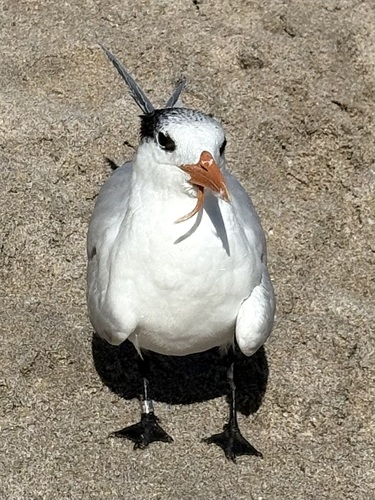
アメリカオオアジサシ (Thalasseus maximus) アメリカオオアジサシ
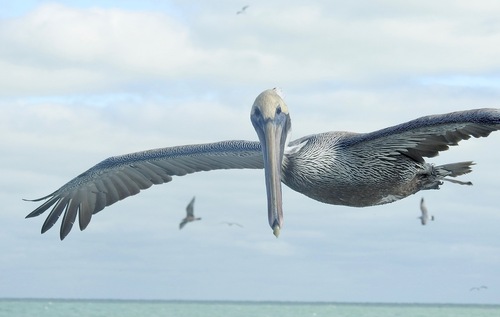
カッショクペリカン (Pelecanus occidentalis) カッショクペリカン

メディア

読み込み中…

要点

アメリカオオアジサシとカッショクペリカンの最も信頼できるフィールドマークは全体の構造です:アメリカオオアジサシは大きく、細身で、カモメのような形をしたアジサシで、尖ったオレンジ色のくちばしを持っています。一方、カッショクペリカンは巨大で、重い体を持つ鳥で、大きなくちばしと喉の袋があります。未成熟のアメリカオオアジサシは翼に暗いマークと黄色がかったくちばしを示すことがありますが、決してカモメのような茶色で重い羽毛やペリカンの巨大なくちばしは持ちません。飛行中、ペリカンは遅く深い羽ばたきで滑空し、しばしば上昇しますが、アジサシは敏捷で浮力があり、直接的です。距離があっても、ペリカンのサイズと形はどのアジサシとも明確に区別できます。

識別のコツ

  1. Overall size and structure: カッショクペリカンは巨大で、大きなくちばしと長い首を持っています;アメリカオオアジサシははるかに小さく、細身で、カモメのようです。これはどの距離でも最も信頼できる区別です。
  2. Bill shape and color: アメリカオオアジサシは頑丈で尖ったオレンジ色のくちばしを持っています(幼鳥では黄色がかった色);カッショクペリカンは大きく、長い灰色のくちばしを持ち、大きな喉の袋があります。アジサシのくちばしはペリカンのようなものはありません。
  3. Juvenile/immature plumage: 幼鳥のアメリカオオアジサシは下側が白く、翼にいくつかの暗いマークと黄色がかったくちばしを持っています;幼鳥のカッショクペリカンは全体的に茶色で、鈍い白い腹部と暗い茶色の頭と首を持っています。ペリカンは常にアジサシと比べて重くて暗く見えます。
  4. Adult plumage: 成鳥のアメリカオオアジサシは上が銀灰色で、下が白く、繁殖期には黒い後頭部の冠を持ち、非繁殖期には白い額を持っています。成鳥のカッショクペリカンは白または黄色がかった頭を持ち、繁殖期には暗いマルーンブラウンの首があり、非繁殖期には白い頭と首を持っています。
  5. Wing pattern in flight: アメリカオオアジサシ(すべての年齢)は淡い銀色の上翼を持ち、コントラストが少ないです;カッショクペリカン(すべての年齢)は暗く広い翼を持ち、下翼には筋状または銀色の中央部と暗いカバーがあります。
  6. Flight style: アジサシは敏捷で浮力があり、直接的です;ペリカンは重く、遅く深い羽ばたきと頻繁な滑空または上昇をします。
  7. Perched/roosting posture: ペリカンはしばしば桟橋に止まっているか、水面に浮かんでいるのが見られ、胸にくちばしを休めて丸まっています;アジサシは砂州や杭の上に直立して立ち、長時間浮かぶことはほとんどありません。
  8. Head and crest: アメリカオオアジサシは繁殖期に毛羽立った黒い後頭部の冠を持っています;ペリカンは繁殖期に短い赤褐色の冠を持っていますが、アジサシのような尖った後頭部の冠は持っていません。
  9. Leg color: アメリカオオアジサシは黒い脚を持っています;カッショクペリカンは黒い脚と足を持っていますが、サイズの違いを考えると、これは診断的であることはほとんどありません。
  10. Voice: アメリカオオアジサシはしばしば鋭く高い鳴き声を出します;カッショクペリカンは主に静かで、ディスプレイ中にうめき声や鳴き声を出すことがあります。
  11. Habitat use: 両種は海岸で重なりますが、ペリカンは構造物の上で泳いだり止まったりしているのが見られることが多く、アジサシは通常、飛んだり、ホバリングしたり、開けた砂の上に立っていることが多いです。
  12. Feeding behavior: 両者とも急降下しますが、ペリカンは高いところから潜り、体が大きいです;アジサシはより軽く、敏捷な動きで潜ります。
  13. Crown pattern (seasonal): 非繁殖期には、アメリカオオアジサシの冠は広範囲に白くなりますが、ペリカンの頭は季節によって白または黄色がかったままです。
  14. Group behavior: アメリカオオアジサシはしばしば砂州で密集した群れを作ります;カッショクペリカンは群れで止まることがありますが、より広がっており、しばしば水面で一緒に浮かんでいます。
  15. Confusion risk: 遠く離れた場所や光が悪い場合にのみ可能です;それでも、ペリカンのサイズと比率は独特です。

大きさ

カッショクペリカンはアメリカオオアジサシよりもはるかに大きく、重いです。ペリカンの体重は3400 gを超え、アメリカオオアジサシは350–500 gです。フィールドでは、ペリカンは巨大に見え、長い首と大きなくちばしを持ち、どのアジサシも簡単に圧倒します。アメリカオオアジサシは、アジサシとしては大きいですが、それでもはるかに小さく、流線型で、翼幅(125–135 cm)はペリカンの半分以下です。並んでいると混乱は不可能ですが、距離があってもペリカンの体積と比率は依然として明らかです。

羽色

幼鳥のアメリカオオアジサシは非繁殖の成鳥に似ていますが、翼には暗い灰色から黒っぽいマークがあり、くちばしはより黄色がかっています。彼らは決してカッショクペリカンの全体的に茶色または筋状の外観を示すことはありません。カッショクペリカンは上が灰色がかった茶色で、下は淡い部分と鈍い白い腹部を持っています。未成熟のペリカンは暗い茶色の頭と首を持ち、上翼のカバーは短く茶色で、しばしば大きなカバーでより暗く、下翼には広い銀灰色の中央部があります。成鳥のアメリカオオアジサシは銀灰色の上部、白い下部、繁殖期には黒い後頭部の冠を持ち、非繁殖羽毛ではパッチ状になり、冠は白くなります。成鳥のカッショクペリカンは繁殖期に黄色がかった洗いのある白い頭と暗いマルーンブラウンの首を持ち、非繁殖期には白い頭と首を持っています。ペリカンのくちばしは常に巨大で灰色がかっており、大きな袋を持っていますが、アジサシのくちばしは細く、尖っており、明るいオレンジ色です。

行動

カッショクペリカンはしばしば水面を低く滑空したり、上昇したり、高いところから急降下したりするのが見られます。彼らの飛行は重くて遅く、深い羽ばたきと頻繁な滑空を伴います。陸上では、彼らは不器用に歩きます。アメリカオオアジサシは敏捷で浮力のある飛行者で、しばしばホバリングしたり、波の上を素早く直接飛行したり、魚のために急降下しますが、より低い高さからで、はるかに軽い体格です。アジサシは杭や砂州に止まりますが、ペリカンのように泳いだり浮かんだりしているのはめったに見られません。

生息環境

両種は海岸、ビーチ、河口に生息していますが、カッショクペリカンは桟橋やドックに止まっているか、水面に浮かんでいるのがより一般的で、港や湾でよく見られます。アメリカオオアジサシは開けた砂浜、バリアアイランド、砂州を好み、長時間浮かんでいるのはめったに見られません。アメリカの大西洋と太平洋の海岸では重なりが頻繁ですが、彼らの行動とマイクロハビタットの好みは異なります。

声

アメリカオオアジサシは短く、明確な鋭い鳴き声を出し、時折長い、転がるような口笛を出します。カッショクペリカンは成鳥としては主に静かですが、ディスプレイ中に低いうめき声や稀に低い鳴き声を出すことがあります;若いペリカンは悲鳴を上げます。フィールドでは、アジサシははるかに声が大きく、彼らの鳴き声は鋭く、頻繁です。

より良い説明を送る

比較と同じ項目を使ってください。文章はすぐに公開されます。

The most reliable field mark between Royal Tern and Brown Pelican is overall structure: Royal Tern is a large, slim, gull-like tern with a pointed orange bill, while Brown Pelican is a massive, heavy-bodied bird with a huge bill and throat pouch. Immature Royal Terns may show dark marks on the wings and a yellowish bill, but never the brown, heavy plumage or the enormous bill of a pelican. In flight, pelicans glide with slow, deep wingbeats and often soar, whereas terns are agile, buoyant, and direct. Even at a distance, the pelican’s size and shape are unmistakable compared to any tern.

  1. Overall size and structure: Brown Pelican is enormous, with a massive bill and long neck; Royal Tern is much smaller, slender, and gull-like. This is the most reliable separation at any distance.
  2. Bill shape and color: Royal Tern has a stout, pointed orange-red bill (yellowish in juveniles); Brown Pelican has a huge, long, grayish bill with a large throat pouch. No tern has a bill remotely like a pelican’s.
  3. Juvenile/immature plumage: Juvenile Royal Tern is white below with some dark marks on the wings and a yellowish bill; juvenile Brown Pelican is brownish overall with a dull white belly and dusky-brown head and neck. The pelican always looks heavy and dark compared to the tern.
  4. Adult plumage: Adult Royal Tern is silvery-gray above, white below, with a black nape crest in breeding and a white forehead in non-breeding. Adult Brown Pelican has a white or yellowish head, dark maroon-brown neck in breeding, and a streaked gray-brown back and tail.
  5. Wing pattern in flight: Royal Tern (all ages) has pale silvery upperwings with little contrast; Brown Pelican (all ages) shows dark, broad wings with a streaky or silvery central area on the underwing and dark coverts.
  6. Flight style: Terns are agile, buoyant, and direct; pelicans are heavy, with slow, deep wingbeats and frequent gliding or soaring.
  7. Perched/roosting posture: Pelicans are often seen perched on docks or floating on water, hunched with bill resting on breast; terns stand upright on sandbars or posts, rarely float for long.
  8. Head and crest: Royal Tern has a shaggy black nape crest in breeding; pelican has a short, reddish-brown crest in breeding but never a pointed nape crest like a tern.
  9. Leg color: Royal Tern has black legs; Brown Pelican has black legs and feet, but this is rarely diagnostic given the size difference.
  10. Voice: Royal Tern is frequently noisy with sharp, shrill calls; Brown Pelican is mostly silent, with only grunts or croaks in display.
  11. Habitat use: Both species overlap on coasts, but pelicans are more likely to be seen swimming or perched on structures, while terns are usually flying, hovering, or standing on open sand.
  12. Feeding behavior: Both plunge-dive, but pelican dives from higher and is bulkier; tern dives with a lighter, more agile motion.
  13. Crown pattern (seasonal): In non-breeding, Royal Tern’s crown becomes extensively white, while pelican’s head remains white or yellowish depending on season.
  14. Group behavior: Royal Terns often gather in tight flocks on sandbars; Brown Pelicans may roost in groups but are more spread out and often float together on water.
  15. Confusion risk: Only possible at great distance or in poor light; even then, the pelican’s size and proportions are distinctive.

Brown Pelican is vastly larger and heavier than Royal Tern. The pelican’s body mass is over 3400 g [wikidata], while Royal Tern is only 350–500 g [wikipedia]. In the field, pelicans appear massive, with a long neck and huge bill, easily dwarfing any tern. Royal Tern, although large for a tern, is still much smaller and more streamlined, with a wingspan (125–135 cm) that is less than half that of a pelican. Side-by-side, confusion is impossible; at a distance, the pelican’s bulk and proportions are still obvious.

Juvenile Royal Terns resemble non-breeding adults but have darker gray to blackish marks on the wings and a yellower bill. They never show the all-over brown or streaked appearance of juvenile Brown Pelican, which is grayish-brown above with paler underparts and a dull white belly. Immature pelicans have dusky-brown heads and necks, and their upperwing coverts are short and brown, often darker on the greater coverts, with a broad, silver-gray central area on the underwing. Adult Royal Terns have silvery-gray upperparts, white underparts, and a black nape crest in breeding season, which becomes patchy and then white on the crown in non-breeding plumage. Brown Pelicans, in adult plumage, have a white head with a yellowish wash and a dark maroon-brown neck in breeding, and a white head and neck in non-breeding. The pelican’s bill is always huge and grayish, with a large pouch, while the tern’s is slender, pointed, and bright orange-red.

Brown Pelicans are often seen gliding low over the water, soaring, or plunge-diving from height. Their flight is heavy and slow, with deep wingbeats and frequent gliding. On land, they are clumsy walkers. Royal Terns are agile, buoyant fliers, often hovering or making quick, direct flights over the surf, and plunge-diving for fish but from a lower height and with a much lighter build. Terns perch on posts or sandbars but are rarely seen swimming or floating like pelicans.

Both species occur along coasts, beaches, and estuaries, but Brown Pelican is more often seen perched on pilings, docks, or floating on the water, and is common in harbors and bays. Royal Tern prefers open sandy beaches, barrier islands, and sandbars, and is rarely seen floating for long periods. Overlap is frequent along the Atlantic and Pacific coasts of the Americas, but their behavior and microhabitat preferences differ.

Royal Tern gives short, clear shrills, such as 'kree' or 'tsirr', and occasionally a longer, rolling whistle. Brown Pelican is mostly silent as an adult, but may give low, grunting 'hrrraa-hrra' sounds during displays or a rare low croak; young pelicans squeal. In the field, terns are much more vocal and their calls are sharper and more frequent.

変更を破棄しますか?

保存していない編集があります。今離れると失われます。

アメリカオオアジサシ · カッショクペリカン · 苦手な鳥