
Motmot

オナガミズナギドリ 対 ハシボソミズナギドリ

Ardenna pacifica 対 Ardenna tenuirostris

オナガミズナギドリとハシボソミズナギドリのクイズ
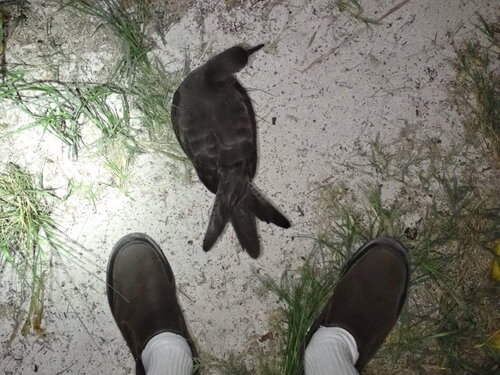
オナガミズナギドリ (Ardenna pacifica) オナガミズナギドリ
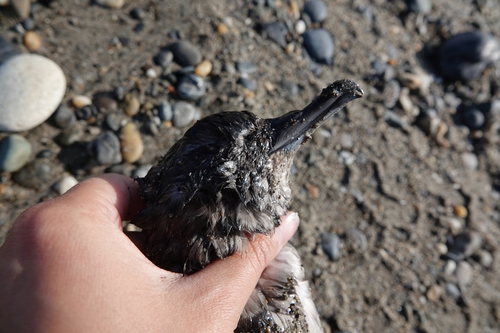
ハシボソミズナギドリ (Ardenna tenuirostris) ハシボソミズナギドリ

メディア

読み込み中…

要点

オナガミズナギドリとハシボソミズナギドリの最も信頼できるフィールドマークは尾の形です:オナガミズナギドリは明らかに長く、尖った、くさび形の尾を持ち、特に飛行中に顕著です。一方、ハシボソミズナギドリは短く、より丸い尾を持っています。両種は全体的に暗く見えることがありますが、オナガミズナギドリは淡色と暗色の形態があり、淡色の個体は上面と下面の間に強いコントラストを示します。ハシボソミズナギドリは均一に暗い茶色で、淡色の形態はありません。構造も手がかりです:オナガミズナギドリはスリムで長い翼を持ち、ハシボソミズナギドリはより大きく、太いくちばしを持っています。両種は海で大きな群れで見られますが、彼らの分布は特定の地域でのみ重なりますので、文脈が助けになります。最も迅速な識別のためには尾の形と全体的な構造に焦点を当ててください。

識別のコツ

  1. 尾の形は最も信頼できるフィールドマークです: オナガミズナギドリは常に長く、尖った、くさび形の尾を示し、特に飛行中や尾を広げて止まっているときに顕著です。ハシボソミズナギドリは短く、丸い尾を持っています。これはすべての年齢と形態に適用されます。
  2. 羽毛の形態: オナガミズナギドリは淡色と暗色の形態があります。淡色の形態は灰褐色の上面と白い下面の間に強いコントラストを示し、これら二種の中でユニークです。ハシボソミズナギドリは常に均一に暗い茶色で、淡色の形態はありません。
  3. 全体的な構造: オナガミズナギドリはスリムで長い翼を持ち、より優雅で浮力のある飛行をします。ハシボソミズナギドリはより大きく、太い首とよりコンパクトな外観を持ち、より速く、より直接的な翼の打撃で飛びます。
  4. くちばしの形: オナガミズナギドリは長く、やや重いくちばしを持ち、ハシボソミズナギドリのくちばしは短く、より細いです。これは微妙で、近距離で見るのが最適です。
  5. 翼の下の模様: 淡色の形態のオナガミズナギドリは対照的な淡色の翼の下を示しますが、ハシボソミズナギドリの翼の下は均一に暗いです。暗色の形態のオナガミズナギドリはハシボソミズナギドリに似て見えることがありますので、その場合は尾の形と構造を使用してください。
  6. 頭部と上翼の色: オナガミズナギドリ(淡色の形態)は顔と翼の下がより淡いですが、ハシボソミズナギドリは全体が暗いです。暗色の形態のオナガミズナギドリとハシボソミズナギドリは非常に似ていることがありますが、尾の形と構造がそれらを分けます。
  7. 飛行スタイル: オナガミズナギドリは長い間滑空することが多く、くさび形の尾を制御に使用しますが、ハシボソミズナギドリはより直接的で目的意識のある飛行をします。
  8. 文脈と豊富さ: オーストラリアでは、ハシボソミズナギドリははるかに一般的で、しばしば巨大な群れで見られます。北太平洋では、オナガミズナギドリが優勢です。場所と季節を補助的な手がかりとして使用し、主要な識別マークとしては使用しないでください。
  9. コロニーの行動: 繁殖コロニーでは、オナガミズナギドリは夜に騒がしく声を出しますが、ハシボソミズナギドリははるかに静かです。これはコロニーでのみ役立ち、海では役立ちません。
  10. 脚の色: オナガミズナギドリはサーモンピンクの脚を持っていますが、これは海ではほとんど見えません。ハシボソミズナギドリの脚の色は特に特徴的とは記述されていません。
  11. 幼鳥/巣立ちの混乱: 両種の雛は巣立ち前に成鳥よりも重くなることがありますが、これは飛んでいる鳥のフィールドマークではありません。
  12. 強い年齢依存の翼の模様はない: どちらの種も、彼らを分ける特有の幼鳥や未成熟の上翼のマークを示さないため、すべての年齢に対して尾と構造に焦点を当ててください。
  13. 性的二形性はない: 両種の両性は似ており、性別を手がかりとして使用しないでください。
  14. 海での声に頼らないでください: オナガミズナギドリだけがコロニーで顕著に声を出しますが、両種は海では静かです。
  15. ハイイロミズナギドリとの混乱を避ける: 両種は時々マトンバードと呼ばれますが、ハイイロミズナギドリはより大きく、異なる構造と範囲を持っています。

大きさ

ハシボソミズナギドリは平均してオナガミズナギドリよりも重いです(体重約544g対465g)[wikidata]。フィールドでは、ハシボソミズナギドリはより頑丈でコンパクトに見えることが多いですが、オナガミズナギドリはより長く、スリムに見え、相対的に長い尾と翼を持っています。この違いは距離があると微妙ですが、鳥が並んでいるときや混合群れの中では明らかになることがあります。

羽色

行動

両種は外洋性であり、しばしば海の上を低く滑空しているのが見られます。オナガミズナギドリは長い滑空飛行で知られ、くさび形の尾を安定性に使用し、飛行中により浮力があり、ゆったりとした印象を与えます。ハシボソミズナギドリはより速く、より直接的な翼の打撃で飛ぶ傾向があり、よりコンパクトで目的意識のある印象を与えます。両種は巣穴に巣を作り、大きな群れで見られますが、オナガミズナギドリは水面で休んでいるか、繁殖コロニーの周りを昼間に旋回しているのが見られる可能性が高く、特に繁殖シーズン外ではそうです。

生息環境

オナガミズナギドリは熱帯および亜熱帯の太平洋およびインド洋に広く分布し、ハワイからオーストラリアまでの島々で繁殖します。ハシボソミズナギドリは主にバス海峡とタスマニアの島々で繁殖し、北半球の寒帯夏に移動します。彼らの分布はオーストラリアの水域で重なりますが、ハシボソミズナギドリはそこではるかに豊富です。北太平洋で見られた場合、オナガミズナギドリの方がはるかに可能性が高いです。両種は繁殖コロニーから離れた外洋性です。

声

オナガミズナギドリは長いうめき声で知られており、特に夜のコロニーで、引き伸ばされた吸気と呼気のパターンを持っています。ハシボソミズナギドリは海やコロニーの周りでははるかに静かで、飛行中に声を出すことはほとんどありません。呼び声は海での信頼できるフィールドマークではありませんが、繁殖地ではオナガミズナギドリの特徴的なうめき声が診断的です。

より良い説明を送る

比較と同じ項目を使ってください。文章はすぐに公開されます。

The most reliable field mark between Wedge-tailed Shearwater and Short-tailed Shearwater is the tail shape: Wedge-tailed shows a distinctly long, pointed, wedge-shaped tail, especially obvious in flight, while Short-tailed has a shorter, more rounded tail. Both species can appear dark overall, but Wedge-tailed comes in both pale and dark morphs, with pale birds showing strong contrast between upperparts and underparts. Short-tailed is uniformly dark brown, lacking a pale morph. Structure is also a clue: Wedge-tailed is slimmer and longer-winged, while Short-tailed is bulkier with a stubbier bill. Both can be seen in large flocks at sea, but their ranges overlap only in certain regions, so context helps. Focus on tail shape and overall structure for the quickest separation.

  1. Tail shape is the most reliable field mark: Wedge-tailed Shearwater always shows a long, pointed, wedge-shaped tail, especially obvious in flight or when perched with the tail fanned. Short-tailed Shearwater has a short, rounded tail. This works for all ages and morphs.
  2. Plumage morphs: Wedge-tailed comes in both pale and dark morphs. Pale morphs show a strong contrast between grey-brown upperparts and white underparts, unique among these two. Short-tailed is always uniformly dark brown, with no pale morph.
  3. Overall structure: Wedge-tailed is slimmer and longer-winged, with a more graceful, buoyant flight. Short-tailed is bulkier, with a thicker neck and more compact appearance, and flies with faster, more direct wingbeats.
  4. Bill shape: Wedge-tailed has a longer, slightly heavier bill, while Short-tailed's bill is shorter and more slender. This is subtle and best seen at close range.
  5. Underwing pattern: Pale morph Wedge-tailed shows contrasting pale underwings; Short-tailed's underwing is uniformly dark. Dark morph Wedge-tailed can look similar to Short-tailed, so use tail shape and structure in those cases.
  6. Head and upperwing color: Wedge-tailed (pale morph) has a paler face and underwing, while Short-tailed is dark throughout. Dark morph Wedge-tailed and Short-tailed can be very similar, but the tail shape and structure still separate them.
  7. Flight style: Wedge-tailed often glides for longer periods, using its wedge-shaped tail for control, while Short-tailed is more direct and purposeful in flight.
  8. Context and abundance: In Australia, Short-tailed is far more common and often seen in huge flocks. In the North Pacific, Wedge-tailed predominates. Use location and season as supporting clues, not primary ID marks.
  9. Colony behavior: At breeding colonies, Wedge-tailed is noisy and vocal at night, while Short-tailed is much quieter. This is only useful at colonies, not at sea.
  10. Leg color: Wedge-tailed has salmon-pink legs, but this is rarely visible at sea. Short-tailed's leg color is not described as distinctive.
  11. Juvenile/fledgling confusion: Both species' chicks can be heavier than adults before fledging, but this is not a field mark for flying birds.
  12. No strong age-dependent wing pattern: Neither species shows distinctive juvenile or immature upperwing marks that separate them, so focus on tail and structure for all ages.
  13. No sexual dimorphism: Both sexes look alike in both species; do not use sex as a clue.
  14. Do not rely on voice at sea: Only Wedge-tailed is notably vocal at colonies; both are silent at sea.
  15. Avoid confusion with Sooty Shearwater: Both species are sometimes called muttonbirds, but Sooty is larger and has different structure and range.

Short-tailed Shearwater is heavier on average (body mass ~544g) than Wedge-tailed Shearwater (~465g) [wikidata]. In the field, Short-tailed often appears more robust and compact, while Wedge-tailed looks longer and more slender, with a proportionally longer tail and wings. This difference is subtle at distance but can be apparent when birds are side by side or in mixed flocks.

  • Juvenile/immature plumage: No specific upperwing or age-dependent marks are described for either species in the sources, so focus on overall coloration and tail shape for all ages.
  • Wedge-tailed Shearwater: Comes in two morphs. The pale morph has grey-brown upperparts and upperwings with a contrasting white belly and underwing, while the dark morph is uniformly dark grey-brown above and below. Both morphs can occur together, but pale birds are more common in the North Pacific. The wedge-shaped tail is present in all plumages and ages.
  • Short-tailed Shearwater: Uniformly dark brown overall, including underparts and underwing, with no pale morph. Tail is short and rounded, not pointed. Bill is also stubbier and more slender than Wedge-tailed. No strong contrast between upper and lower surfaces at any age.
  • Key contrast: Wedge-tailed's pale morph is the only one of the two to show a pale belly and underwing, but even dark morph Wedge-tailed can be separated by its longer, pointed tail and slimmer build.

Both species are pelagic and often seen gliding low over the ocean. Wedge-tailed Shearwater is noted for its long, gliding flights, using its wedge-shaped tail for stability, and often appears more buoyant and languid in flight. Short-tailed Shearwater tends to fly with faster, more direct wingbeats and appears more compact and purposeful. Both species nest in burrows and can be seen in large flocks, but Wedge-tailed is more likely to be seen resting on the water or circling breeding colonies during the day, especially outside the breeding season.

Wedge-tailed Shearwater is widespread in tropical and subtropical Pacific and Indian Oceans, breeding on islands from Hawaii to Australia. Short-tailed Shearwater breeds mainly on islands in Bass Strait and Tasmania, migrating to the Northern Hemisphere for the boreal summer. Their ranges overlap in Australian waters, but Short-tailed is much more abundant there. If seen in the North Pacific, Wedge-tailed is far more likely. Both are pelagic away from breeding colonies.

Wedge-tailed Shearwater is known for its long, moaning calls, especially at colonies at night, with a drawn-out inhaling and exhaling pattern. Short-tailed Shearwater is much quieter at sea and around colonies, rarely vocalizing in flight. Calls are not a reliable field mark at sea, but at breeding sites, Wedge-tailed's distinctive moaning is diagnostic.

変更を破棄しますか?

保存していない編集があります。今離れると失われます。

オナガミズナギドリ · ハシボソミズナギドリ · 苦手な鳥