
Motmot

ボネリームシクイ 対 キタヤナギムシクイ

Phylloscopus bonelli 対 Phylloscopus trochilus

ボネリームシクイとキタヤナギムシクイのクイズ
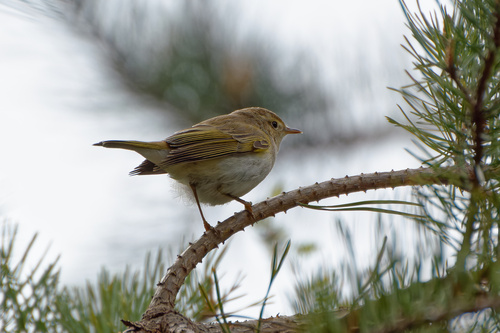
ボネリームシクイ (Phylloscopus bonelli) ボネリームシクイ
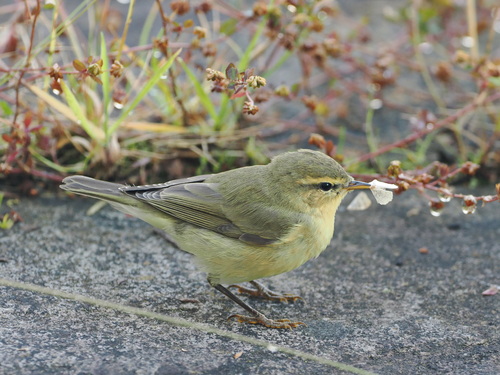
キタヤナギムシクイ (Phylloscopus trochilus) キタヤナギムシクイ

メディア

読み込み中…

要点

ウエスタンボネリームシクイとキタヤナギムシクイを区別する最も信頼できる方法は、全体の羽色と脚の色によるものです:ウエスタンボネリームシクイは地味で、灰緑色から茶色がかった背中と茶色の脚を持ち、キタヤナギムシクイは上面がより緑色で、しばしば下部に黄色がかったトーンがあり、より淡いピンクがかった黄色の脚を持っています。幼鳥のキタヤナギムシクイは、どのボネリームシクイよりも明らかに下部が黄色いです。野外では、キタヤナギムシクイはより長い一次羽の突出(翼先)と、より優雅で細長い形を示します。声は強い手がかりです:ウエスタンボネリームシクイは速い単調なトリルを歌い、二音節の「フイット」と呼ばれる声を持ち、キタヤナギムシクイの歌は下降する笛の音で、その呼び声は柔らかい「フーイート」です。

識別のコツ

  1. 幼鳥の下部: 晩夏と秋には、黄色がかった下部を探してください—もしあれば、それはキタヤナギムシクイの幼鳥です;ボネリームシクイは常に白っぽい下部です。
  2. 全体の羽色: ウエスタンボネリームシクイは地味で、灰緑色から茶色がかった上面と下部にほとんど黄色がありません。キタヤナギムシクイは上面がより緑色で、特に新しい羽毛では下部がしばしば黄色がかっています。
  3. 脚の色: 脚を確認してください:ウエスタンボネリームシクイは茶色、キタヤナギムシクイはより淡いピンクがかった黄色です。これは良い光と近距離で信頼できます。
  4. くちばしの構造: キタヤナギムシクイはより長く、淡いくちばしを持ち、ボネリームシクイは短く尖ったくちばしを持っています。微妙ですが、並べて比較するか良い写真で見るとわかります。
  5. 一次羽の突出: キタヤナギムシクイはボネリームシクイよりも一次羽の突出が長く(翼先が三次羽を超えてさらに伸びる)、特に止まっているときにより優雅で長い翼の外観を与えます。
  6. 一般的な形(ジズ): キタヤナギムシクイはより細長く優雅に見え、尾と翼が長いです;ボネリームシクイはよりコンパクトです。
  7. 翼帯: どちらの種も翼帯を示しません—明確な翼帯が見えた場合は、同定を再考してください。
  8. 歌: ウエスタンボネリームシクイは速い単調なトリルを歌い、キタヤナギムシクイの歌は下降する甘い笛の音です。歌がはっきり聞こえれば、通常は診断的です。
  9. 呼び声: ボネリームシクイの呼び声は鋭い二音節の「フイット」で、キタヤナギムシクイの呼び声は柔らかく音楽的な「フーイート」です。呼び声は特に移動中や鳥が歌っていないときに役立ちます。
  10. 生息地と範囲: 北部および中央ヨーロッパでは、キタヤナギムシクイは豊富で、ボネリームシクイは珍しい迷鳥です。南西ヨーロッパと北アフリカでは、ボネリームシクイは適した森林で見られる可能性があります。
  11. 性別: どちらの種も性別による形態的な違いはありません—同定に性別を使用しないでください。
  12. 季節: 秋には、キタヤナギムシクイの幼鳥は下部がより黄色いですが、ボネリームシクイは白っぽいままです。
  13. シフチャフとの混同: キタヤナギムシクイはシフチャフと混同されることがありますが、ボネリームシクイは地味で黄色味が少ない外観と茶色の脚のため、混同される可能性は低いです。
  14. 飛行時の視点: 飛行中、キタヤナギムシクイの長い翼が目立つことがありますが、どちらの種も遠くから区別できるような独特の翼の模様やパネルはありません。
  15. 落とし穴: 照明や摩耗に注意してください:キタヤナギムシクイは摩耗した羽毛で鈍く見えることがあり、ボネリームシクイは新しい羽毛でわずかに緑色に見えることがありますが、脚の色と下部のトーンは信頼できます。

大きさ

どちらの種も小さな葉ムシクイで、サイズは非常に似ており、キタヤナギムシクイは平均して11〜12.5 cmの長さと7〜15 gの重さです [wikipedia]。ウエスタンボネリームシクイとキタヤナギムシクイの間に野外で意味のあるサイズの違いはなく、どちらも小さく、細身で、活発な鳥です。

羽色

行動

どちらの種も活発で昆虫食の葉ムシクイで、しばしば葉の中で餌を探します。キタヤナギムシクイはより繊細で優雅に見える傾向があり、しばしば翼と尾をひらひらさせ、より落ち着きがないように見えることがあります。ウエスタンボネリームシクイも活発ですが、キタヤナギムシクイのような優雅さや長い翼のジズを示しません。どちらも木や低木の間を飛び回る姿が見られますが、キタヤナギムシクイのより長い一次羽の突出が飛行中や止まっているときに目立つことがあります。

生息環境

ウエスタンボネリームシクイは南西ヨーロッパと北アフリカで繁殖し、森林や林地を好み、北部では珍しい迷鳥です。キタヤナギムシクイははるかに広範囲に分布し、北部および温帯ヨーロッパとユーラシア全体で繁殖し、特に白樺、ハンノキ、ヤナギのある開けた森林で見られます。北部または中央ヨーロッパにいる場合、キタヤナギムシクイの方がはるかに可能性が高く、ボネリームシクイの限られた繁殖範囲の外では特にそうです。

声

ウエスタンボネリームシクイは速い単調なトリルを歌い、その呼び声は二音節の「フイット」です。キタヤナギムシクイの歌はシンプルで繰り返しの下降する笛の音で、その接触呼び声は柔らかい二音節の「フーイート」です。歌はリズムとトーンがかなり異なり、呼び声はよく聞こえれば診断的です。ボネリームシクイの呼び声は鋭く、より急激ですが、キタヤナギムシクイの呼び声は柔らかく、より音楽的です。

より良い説明を送る

比較と同じ項目を使ってください。文章はすぐに公開されます。

The most reliable way to separate Western Bonelli's Warbler from Willow Warbler is by overall plumage tone and leg color: Western Bonelli's is plainer, with a grey-green to brownish back and brown legs, while Willow Warbler is greener above, often with yellowish tones below and paler, pinkish-yellow legs. Juvenile Willow Warblers are distinctly yellower below than any Bonelli's. In the field, Willow Warbler also shows a longer primary projection (wingtip) and a more elegant, slender shape. Voice is a strong clue: Western Bonelli's has a fast monotone trill for song and a disyllabic 'hu-it' call, while Willow Warbler's song is a descending whistle and its call is a soft 'hoo-eet'.

  1. Juvenile underparts: In late summer and autumn, look for yellowish underparts—if present, it's a Willow Warbler juvenile; Bonelli's is always whitish below.
  2. Overall plumage tone: Western Bonelli's is plainer, with grey-green to brownish upperparts and little to no yellow below. Willow Warbler is greener above and often yellowish below, especially in fresh plumage.
  3. Leg color: Check the legs: brown in Western Bonelli's, paler pinkish-yellow in Willow Warbler. This is reliable in good light and close views.
  4. Bill structure: Willow Warbler has a longer, paler bill; Bonelli's has a shorter, pointed bill. Subtle, but visible in side-by-side comparison or good photos.
  5. Primary projection: Willow Warbler shows a longer primary projection (wingtip extends further beyond tertials) than Bonelli's. This gives Willow Warbler a more elegant, long-winged look, especially when perched.
  6. General shape (jizz): Willow Warbler appears more slender and graceful, with a longer tail and wings; Bonelli's is more compact.
  7. Wingbars: Neither species shows wingbars—if you see clear wingbars, reconsider your ID.
  8. Song: Western Bonelli's sings a fast, monotone trill; Willow Warbler's song is a descending, sweet whistle. If you hear the song clearly, this is usually diagnostic.
  9. Call: Bonelli's call is a sharp, disyllabic 'hu-it'; Willow Warbler's is a soft, musical 'hoo-eet.' Calls are especially useful in migration or when birds are not singing.
  10. Habitat and range: In northern and central Europe, Willow Warbler is abundant; Bonelli's is a rare vagrant. In southwest Europe and North Africa, Bonelli's is possible in suitable woodland.
  11. Sex: Both species are sexually monomorphic—do not use sex for ID.
  12. Season: In autumn, Willow Warbler juveniles are yellower below; Bonelli's remains whitish.
  13. Confusion with chiffchaff: Willow Warbler can be confused with chiffchaff, but Bonelli's is less likely to be confused due to its plainer, less yellowish appearance and brown legs.
  14. Flight views: In flight, Willow Warbler's longer wings may be apparent, but both species lack distinctive wing patterns or panels that would allow separation at a distance.
  15. Pitfalls: Beware of lighting and wear: Willow Warbler can appear duller in worn plumage, and Bonelli's may look slightly greener in fresh plumage, but the leg color and underpart tone remain reliable.

Both species are small leaf warblers and are very similar in size, with Willow Warbler averaging 11–12.5 cm in length and 7–15 g in weight [wikipedia]. There is no meaningful size difference in the field between Western Bonelli's and Willow Warbler; both are small, slim, and active birds.

  • Juveniles: Willow Warbler juveniles are noticeably yellower below than adults or any age of Western Bonelli's, which always shows whitish underparts. This yellow wash is a key mark in late summer and early autumn.
  • Adults: Western Bonelli's Warbler is plainer, with a grey-green to brownish back, green-toned rump and wings, and clean whitish underparts. Willow Warbler is greener above, with off-white to yellowish underparts. The Willow Warbler's upperparts can vary from greenish to browner or even greyish depending on subspecies and region, but it usually appears more colorful than Bonelli's. Both lack wingbars and have plain wings.
  • Leg color: Western Bonelli's has brown legs, while Willow Warbler has paler, pinkish-yellow legs (never dark brown or blackish as in chiffchaff).
  • Bill: Willow Warbler has a longer, paler bill than Western Bonelli's, which has a small, pointed bill.
  • Sexes: Both species are sexually monomorphic in plumage.

Both species are active, insectivorous leaf warblers, often foraging in foliage. Willow Warbler tends to appear more delicate and graceful, often flicking its wings and tail, and may seem more restless. Western Bonelli's is also active but does not show the same degree of elegance or long-winged jizz as Willow Warbler. Both can be seen flitting through trees and shrubs, but Willow Warbler's longer primary projection may be noticeable in flight or when perched.

Western Bonelli's Warbler breeds in southwest Europe and North Africa, favoring forests and woodlands, and is a rare vagrant further north. Willow Warbler is much more widespread and common, breeding throughout northern and temperate Europe and the Palearctic, especially in open woodlands with birch, alder, and willow. If you are in northern or central Europe, Willow Warbler is far more likely, especially outside the limited breeding range of Bonelli's.

Western Bonelli's Warbler sings a fast, monotone trill, and its call is a disyllabic 'hu-it.' Willow Warbler's song is a simple, repetitive descending whistle, and its contact call is a soft, disyllabic 'hoo-eet.' The songs are quite different in rhythm and tone, and the calls are diagnostic if heard well. Bonelli's call is sharper and more abrupt, while Willow Warbler's is softer and more musical.

変更を破棄しますか?

保存していない編集があります。今離れると失われます。

ボネリームシクイ · キタヤナギムシクイ · 苦手な鳥