
Motmot

オジロノスリ 対 アレチノスリ

Geranoaetus albicaudatus 対 Buteo swainsoni

オジロノスリとアレチノスリのクイズ
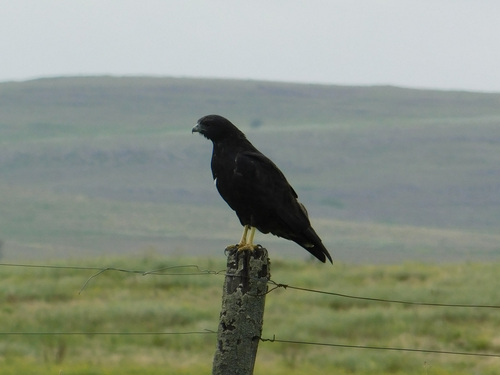
オジロノスリ (Geranoaetus albicaudatus) オジロノスリ
アレチノスリ (Buteo swainsoni) アレチノスリ

メディア

読み込み中…

要点

オジロノスリとアレチノスリの間で最も信頼できるフィールドマークは尾です:オジロノスリ(すべての年齢)は狭い黒いサブターミナルバンドを持つ目立つ白い尾を示し、アレチノスリ(すべての形態と年齢)は複数の狭い黒いバンドとより広いサブターミナルバンドを持つ灰褐色の尾を持っています。飛行中、未熟なオジロノスリは大胆に斑点のある黒と白の翼の縁取りを持ち、成鳥のさび色の肩の斑点が欠けていますが、幼鳥のアレチノスリは暗い部分に淡い斑点を示し、尾のバンドはあまり目立ちません。成鳥は下部と翼のパターンによっても区別できますが、アレチノスリの形態の変動に注意してください。構造やジズも役立ちますが、特に飛行中は尾と下翼のパターンに焦点を当ててください。

識別のコツ

  1. 尾のパターンは最も良いマークです: オジロノスリ(すべての年齢)は狭い黒いサブターミナルバンドを持つ白い尾を示し、アレチノスリは常に複数の狭い黒いバンドとより広いサブターミナルバンドを持つ灰褐色の尾を持っています。これは飛行中や止まっているときによく見えます。
  2. さび色の肩の斑点: 成鳥のオジロノスリは、翼を閉じた状態で止まっているときに目立つさび色の肩の斑点を持っています。アレチノスリは年齢や形態に関係なくこの特徴を示しません。
  3. 飛行中の下翼のパターン: アレチノスリ(ライトモルフ)はユニークな二色の下翼を持っています:淡い先端(翼の縁取り)と暗い後方の飛行羽。オジロノスリは不明瞭な茶色のバリングを持つ白っぽい下翼を持ち、アレチノスリの鋭いコントラストが欠けています。
  4. 未熟な翼の縁取り: 幼鳥のオジロノスリは大胆に斑点のある黒と白の翼の縁取りを持ち、アレチノスリの幼鳥には欠けています。アレチノスリの幼鳥は暗い部分に淡い斑点を持っていますが、同じ大胆な斑点はありません。
  5. 下部: 成鳥のオジロノスリは下部が白で、わずかなバリングがありますが、アレチノスリ(ライトモルフ)は下部も白ですが、胸に暗い赤色の「ビブ」があり、白い喉と顔の斑点があります。暗い形態のアレチノスリは全体的に暗い茶色で、淡い尾羽を持っていますが、オジロノスリの白い尾は欠けています。
  6. 尾羽の色: オジロノスリは白い尾羽を持ち、飛行中に見えることがありますが、アレチノスリは対照的な尾羽を持ちません。
  7. 上面: オジロノスリは上面が灰色ですが、アレチノスリは上面が茶色です。これは鳥が止まっているときや上から見たときに最も役立ちます。
  8. サイズと構造: オジロノスリはわずかに大きく、がっしりしていますが、これは微妙で、フィールドでは常に信頼できるわけではありません。どちらも大きく、広い翼を持つタカです。
  9. 飛行スタイル: オジロノスリは狩りをしているときにしばしばホバリングしますが、アレチノスリは翼を浅い二面角に保ちながら上昇するか、止まって狩りをする可能性が高いです。
  10. 生息地の文脈: 北アメリカでは、アレチノスリは農業地域にいる可能性が高く、大きな群れで移動します。オジロノスリは熱帯/亜熱帯の草原や開けた低木地により常駐しています。
  11. 幼鳥の混乱: 未熟なオジロノスリは非常に暗く見えることがあり、悪い光の中ではほぼ黒に見えることもありますが、常に黒いバンドのある白い尾を確認してください。アレチノスリの幼鳥は下部がより淡く、斑点があり、白い尾を示すことはありません。
  12. 未熟な個体の肩の斑点の欠如: 未熟なオジロノスリはさび色の肩の斑点が欠けているため、若い鳥にこのマークを頼らないでください—尾と翼の縁取りを使用してください。
  13. 暗い形態のアレチノスリ: 暗い形態でも、尾はバンド状であり、白ではなく、下翼には尾の下に淡い斑点があります。オジロノスリはこのパターンを示しません。
  14. 止まっているときの視点: オジロノスリの白い尾、灰色の上面、さび色の肩の斑点(成鳥)の組み合わせを探してください。アレチノスリは上面が茶色で、バンド状の尾を持ち、肩の斑点はありません。
  15. 季節的文脈: アレチノスリは移動性で、大きな群れで見られることがあり、特に移動中に見られます。オジロノスリはより孤立しているか、ペアでいることが多く、移動の群れで見られる可能性は低いです。

大きさ

両種は大きく、広い翼を持つタカで、比例は似ています。オジロノスリはアレチノスリよりわずかに大きく、がっしりしていますが、その違いは微妙で、フィールドでは常に信頼できるわけではありません。アレチノスリの平均体重は約958.5g [wikidata]ですが、オジロノスリはわずかに重い平均値を持っています(詳細な測定はノートを参照)。ただし、重なりはかなりあります。鳥が並んで見られるときは、サイズをサポートする手がかりとしてのみ使用してください。

羽色

行動

両種は止まっている場所から狩りをしたり、開けた国を飛び回ったりします。オジロノスリは狩りをしているときにしばしばホバリングしますが、アレチノスリは翼を二面角に保ちながら上昇するか、止まって狩りをする可能性が高いです。アレチノスリはトラクターや火を追いかけて昆虫や小動物を捕まえることで知られており、移動中に地面に止まったり、休んだりすることがよくあります。オジロノスリは開けた生息地の上を滑空したり、ホバリングしているのが見られる可能性が高いです。両者は機会主義的ですが、アレチノスリは特にバッタの群れや農業活動に関連しています。

生息環境

オジロノスリはアメリカの熱帯および亜熱帯の開けた生息地に生息し、しばしば草原、サバンナ、または開けた低木地に見られます。アレチノスリは開けた国、草原、農業地域で繁殖し、特に北アメリカの西部で見られ、南アメリカで冬を越します。両者は開けた生息地を好みますが、アレチノスリは農業の風景により密接に結びついており、その範囲の多くで移動性がありますが、オジロノスリは熱帯/亜熱帯の地域により常駐しています。

より良い説明を送る

比較と同じ項目を使ってください。文章はすぐに公開されます。

The most reliable field mark between White-tailed Hawk and Swainson's Hawk is the tail: White-tailed Hawk (all ages) shows a striking white tail with a narrow black subterminal band, while Swainson's Hawk (all morphs and ages) has a gray-brown tail with multiple narrow dark bands and a broader subterminal band. In flight, immature White-tailed Hawks have a boldly spotted black-and-white wing lining and lack the rusty shoulder patch of adults, whereas juvenile Swainson's Hawks show pale mottling in dark areas and a less obvious tail band. Adults are also separable by underpart and wing patterns, but beware of the variability in Swainson's Hawk morphs. Structure and jizz can help, but focus on tail and underwing pattern first, especially in flight.

  1. Tail pattern is the single best mark: White-tailed Hawk (all ages) shows a white tail with a narrow black subterminal band; Swainson's Hawk always has a gray-brown tail with multiple narrow dark bands and a broader subterminal band. This is visible in flight and often when perched.
  2. Rusty shoulder patch: Adult White-tailed Hawk has a conspicuous rusty-red shoulder patch when perched with wings closed. Swainson's Hawk never shows this feature, regardless of age or morph.
  3. Underwing pattern in flight: Swainson's Hawk (light morph) has a unique two-toned underwing: pale leading edge (wing lining) and dark trailing flight feathers. White-tailed Hawk has a whitish underwing with indistinct brownish barring, lacking the sharp contrast of Swainson's.
  4. Immature wing lining: Juvenile White-tailed Hawks have a boldly spotted black-and-white wing lining, which is lacking in Swainson's Hawk juveniles. Swainson's juveniles have pale mottling in dark areas but not the same bold spotting.
  5. Underparts: Adult White-tailed Hawk is white below with faint barring, while Swainson's Hawk (light morph) is also white below but has a dark reddish "bib" across the chest and a white throat and face patch. Dark morph Swainson's are overall dark brown with a pale undertail, but still lack the white tail of White-tailed Hawk.
  6. Rump color: White-tailed Hawk has a white rump, which can be visible in flight; Swainson's Hawk does not have a contrasting rump.
  7. Upperparts: White-tailed Hawk is gray above; Swainson's Hawk is brown above. This is most useful when birds are perched or seen from above.
  8. Size and structure: White-tailed Hawk is slightly larger and stockier, but this is subtle and not always reliable. Both are large, broad-winged hawks.
  9. Flight style: White-tailed Hawk often hovers while hunting; Swainson's Hawk is more likely to soar with wings held in a shallow dihedral or to still-hunt from a perch.
  10. Habitat context: In North America, Swainson's Hawk is more likely in agricultural areas and migrates in large flocks; White-tailed Hawk is more resident in tropical/subtropical grasslands and open scrub.
  11. Juvenile confusion: Immature White-tailed Hawks can appear very dark, even nearly black in poor light, but always check for the white tail with a black band. Swainson's juveniles are paler below with mottling, and never show a white tail.
  12. Shoulder patch absence in immatures: Immature White-tailed Hawks lack the rusty shoulder patch, so do not rely on this mark for young birds—use tail and wing lining instead.
  13. Dark morph Swainson's Hawk: Even in dark morphs, the tail is banded, not white, and the underwing has a pale patch under the tail. White-tailed Hawk never shows this pattern.
  14. Perched views: Look for the combination of white tail, gray upperparts, and rusty shoulder patch (adults) on White-tailed Hawk. Swainson's Hawk will be brown above, with a banded tail and no shoulder patch.
  15. Seasonal context: Swainson's Hawk is migratory and may be seen in large flocks, especially during migration. White-tailed Hawk is more solitary or in pairs, and less likely to be seen in migration flocks.

Both species are large, broad-winged hawks with similar proportions. White-tailed Hawk is slightly larger and stockier than Swainson's Hawk, but the difference is subtle and not always reliable in the field. Swainson's Hawk has an average body mass of about 958.5 g [wikidata], while White-tailed Hawk averages slightly heavier (see detailed measurements in the notes), but overlap is considerable. Use size only as a supporting clue when birds are seen side by side.

  • Immature/juvenile birds:
  • White-tailed Hawk immatures are overall darker than adults, sometimes nearly black in poor light, and lack the rusty shoulder patch. Their wing lining is conspicuously spotted black-and-white, and the tail is brown with several dark bars, becoming greyer with a hazy band as they mature.
  • Swainson's Hawk juveniles are paler below, with pale mottling in dark areas and dark mottling on the flanks. The chest is pale with some darker marks, and the tail has multiple narrow dark bands but the subterminal band is less obvious than in adults. No rusty shoulder patch or heavy black-and-white spotting on the wing lining.
  • Adults:
  • White-tailed Hawk adults are gray above, white below and on the rump, with faint pale grey or rufous barring. The tail is short, white, and has a narrow black band near the tip—very conspicuous in flight. The rusty-red shoulder patch is diagnostic when perched. Underwings are whitish with indistinct brownish barring.
  • Swainson's Hawk adults (light morph) are white below with a dark reddish "bib" on the chest, a white throat and face patch, and brown upperparts. The underwings show pale linings and dark trailing flight feathers, forming a unique two-toned look. The tail is gray-brown with about six narrow dark bands and a broader subterminal band. Dark and rufous morphs exist, but all have banded tails, not white.
  • Key contrasts: White-tailed Hawk always has a white tail with a single black band; Swainson's Hawk always has a banded gray-brown tail. Underwing pattern and shoulder patch are also strong clues.

Both species hunt from perches or by soaring over open country. White-tailed Hawk often hovers while hunting, whereas Swainson's Hawk is more likely to soar with wings in a dihedral or still-hunt from a perch. Swainson's Hawk is known for following tractors and fires to catch insects and small animals, and often perches or roosts on the ground during migration. White-tailed Hawk is more likely to be seen gliding or hovering over open habitats. Both can be opportunistic, but Swainson's Hawk is especially associated with grasshopper swarms and agricultural activity.

White-tailed Hawk is found in tropical and subtropical open habitats of the Americas, often in grasslands, savannas, or open scrub. Swainson's Hawk breeds in open country, grasslands, and agricultural areas, especially in western North America, and winters in South America. While both prefer open habitats, Swainson's Hawk is more closely tied to agricultural landscapes and migratory in much of its range, whereas White-tailed Hawk is more resident in tropical/subtropical zones.

変更を破棄しますか?

保存していない編集があります。今離れると失われます。

オジロノスリ · アレチノスリ · 苦手な鳥