
Motmot

シロアジサシ 対 ヒメクロアジサシ

Gygis alba 対 Anous minutus

シロアジサシとヒメクロアジサシのクイズ
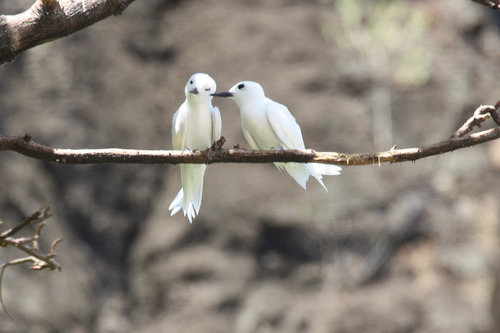
シロアジサシ (Gygis alba) シロアジサシ
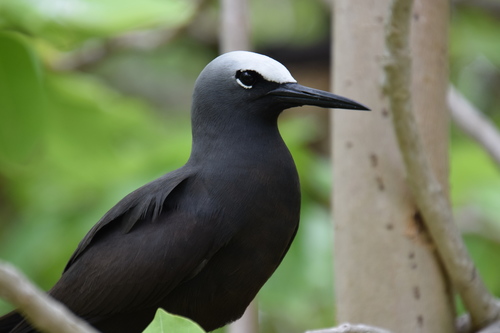
ヒメクロアジサシ (Anous minutus) ヒメクロアジサシ

メディア

読み込み中…

要点

ヒメクロアジサシとシロアジサシを区別する最も信頼できる方法は、全体の羽色によるものです:シロアジサシは完全に白色(成鳥)であるのに対し、ヒメクロアジサシは暗いすすけた茶色から黒で、対照的な白い帽子があります。遠くからでも飛んでいるときでも、シロアジサシの純白の体と翼は際立って見えますが、ヒメクロアジサシは常に淡い冠を持つ暗い体を示します。幼鳥のシロアジサシは白色で灰色のまだら模様がありますが、ヒメクロアジサシの全体的な暗い外観には決して近づきません。くちばしの色と形、尾と翼の構造も、羽色が隠れている場合のさらなる手がかりを提供します。これらの種は熱帯の島々で重なることがありますが、全ての羽色においてその外観は著しく異なります。

識別のコツ

  1. 全体の色: シロアジサシは幼鳥を除いて全ての羽色で完全に白色であり、幼鳥は灰色のまだら模様があります;ヒメクロアジサシは常に暗いすすけた茶色から黒で、白い帽子があります。これは最も迅速で信頼できるフィールドマークです。
  2. 冠と帽子: ヒメクロアジサシは暗い顔と体と対照的なはっきりとした白い帽子を持っています;シロアジサシは帽子や対照的な冠がなく、全体が白色です。
  3. くちばし: 両方とも黒いくちばしを持っていますが、シロアジサシの方が長く、より細く、時には基部が青みがかっています;ヒメクロアジサシのくちばしは短くて太いです。
  4. 目とロア: シロアジサシは狭い黒い羽毛のリングを持つ黒い目を持っています;ヒメクロアジサシは暗いロア(目とくちばしの間の領域)を持ち、白い帽子をさらに強調します。
  5. 尾の形: シロアジサシの尾は浅く分かれており、最も長い羽毛は外側から2番目のものです;ヒメクロアジサシの尾はより四角く、わずかに切り込みがあり、決して深く分かれていません。
  6. 翼の形と飛行: シロアジサシは長く尖った翼を持ち、浮遊感のある弾力的な飛行スタイルを持っています;ヒメクロアジサシの翼も長く尖っていますが、その飛行はより安定していて直接的です。
  7. 幼鳥の混乱: 幼鳥のシロアジサシは灰色のまだら模様のある白色で、全体が暗くなることはありません;幼鳥のヒメクロアジサシは暗く、白い帽子を持ち、成鳥と同じです。
  8. 止まり方: シロアジサシは薄い枝やワイヤーの露出した場所によく止まります;ヒメクロアジサシはコロニー内の棚やより密な止まり木を好みます。
  9. 生息地の文脈: 両種は熱帯の島々に生息していますが、シロアジサシは単独またはペアで見られる可能性が高く、ヒメクロアジサシはしばしばより大きな群れやコロニーで見られます。
  10. 足の色: シロアジサシは亜種によって暗い灰色から淡い灰色の足を持っています;ヒメクロアジサシの足は黒色です(ただし、一部の亜種ではオレンジ色で、ほとんどのフィールドでの遭遇には関係ありません)。
  11. 顔の模様: ヒメクロアジサシは目の下に小さな白い三日月と目の上に白い斑点を示し、帽子のように見えます;シロアジサシの顔は目のリングを除いては単純に白色です。
  12. 巣の配置: シロアジサシは巣なしで裸の枝に直接卵を産むことで有名です;ヒメクロアジサシは棚や木に巣を作ります。
  13. サイズの印象: ヒメクロアジサシは体が長く見えることがあり、より大きく見えるかもしれませんが、シロアジサシは翼幅が長く、より繊細に見えます。
  14. 季節的または性差の違いはない: どちらの種にも同定に影響を与えるような羽色の重要な季節的または性差はありません。
  15. 声の手がかりはない: 音声はこれらの2種のフィールドでの区別において特異的ではなく、資料には記載されていません。

大きさ

シロアジサシはわずかに小さく、軽い体を持っています:全長は23–30 cm、翼幅は76–87 cm、体重は約138 gです。ヒメクロアジサシは長さが35–37 cmですが、翼幅はわずかに短く(66–72 cm)、質量は似ています(98–144 g)。フィールドでは、ヒメクロアジサシは体と尾が長いため、より細長く見えるかもしれませんが、シロアジサシのより大きな翼幅と全白の羽色は、飛行中により浮遊感があり、繊細に見えることがあります。

羽色

行動

シロアジサシは薄い枝、ワイヤー、または裸の小枝に止まることが多く、時には露出した位置に止まります。また、巣なしで開放的な枝に巣を作ることで有名です。ヒメクロアジサシは棚や密なコロニーに止まる傾向があり、しばしば岩の基盤や木の上に止まりますが、通常はシロアジサシほど露出していません。飛行中、シロアジサシは浮遊感があり優雅で、深く弾力のある羽ばたきを持っていますが、ヒメクロアジサシはより安定した、直接的な羽ばたきで飛び、しばしば群れで餌を探します。

生息環境

両種は熱帯の海鳥で、サンゴの島や環礁に生息しています。シロアジサシは小さな枝、ワイヤー、または人造物の上に巣を作ることが多いですが、ヒメクロアジサシは岩の棚や木の上のコロニーで巣を作ることを好み、時にはより密な集団で見られます。彼らの分布は一部の島で重なることがありますが、シロアジサシは単独またはペアで見られる可能性が高く、ヒメクロアジサシはしばしばより大きな群れで見られます。

より良い説明を送る

比較と同じ項目を使ってください。文章はすぐに公開されます。

The most reliable way to separate White Tern from Black Noddy is by overall plumage: White Tern is entirely white (adults), while Black Noddy is dark sooty-brown to black with a contrasting white cap. Even at a distance or in flight, the White Tern's pure white body and wings stand out, whereas Black Noddy always shows a dark body with a pale crown. Juvenile White Terns are white with some grey mottling, but never approach the overall dark look of a noddy. Bill color and shape, as well as tail and wing structure, add further clues if plumage is obscured. These species may overlap on tropical islands, but their appearance is strikingly different in all plumages.

  1. Overall color: White Tern is entirely white in all plumages except juveniles, which are white with some grey mottling; Black Noddy is always dark sooty-brown to black with a white cap. This is the quickest and most reliable field mark.
  2. Crown and cap: Black Noddy has a sharply defined white cap that contrasts with the dark face and body; White Tern lacks any cap or contrasting crown, remaining white throughout.
  3. Bill: Both have black bills, but White Tern's is longer, more slender, and sometimes bluish at the base; Black Noddy's bill is shorter and stouter.
  4. Eye and lores: White Tern has a black eye with a narrow black feather ring; Black Noddy has dark lores (the area between the eye and bill), which further accentuates the white cap.
  5. Tail shape: White Tern's tail is shallowly forked, with the longest feathers being the second-from-outermost; Black Noddy's tail is more squared-off or slightly notched, never deeply forked.
  6. Wing shape and flight: White Tern has long, pointed wings and a buoyant, elastic flight style; Black Noddy's wings are also long and pointed, but its flight is steadier and more direct.
  7. Juvenile confusion: Juvenile White Tern is white with greyish mottling, never dark overall; juvenile Black Noddy is dark with a white cap, just like the adult.
  8. Perching behavior: White Tern often perches in exposed locations on thin branches or wires; Black Noddy prefers ledges or denser perches in colonies.
  9. Habitat context: Both species occur on tropical islands, but White Tern is more likely to be seen singly or in pairs, while Black Noddy is often in larger groups or colonies.
  10. Leg color: White Tern has dark grey to pale grey legs depending on subspecies; Black Noddy's legs are black (except orange in some subspecies, not relevant for most field encounters).
  11. Facial pattern: Black Noddy shows a small white crescent under the eye and a white spot above, adding to the capped look; White Tern's face is plain white except for the eye-ring.
  12. Nest placement: White Tern is famous for laying eggs directly on bare branches without a nest; Black Noddy builds a nest on ledges or trees.
  13. Size impression: Black Noddy is longer-bodied and may appear larger, but White Tern has a longer wingspan and appears more delicate.
  14. No seasonal or sex differences: There are no significant seasonal or sexual differences in plumage for either species that would affect identification.
  15. No voice cues: Vocalizations are not distinctive or described in the sources for field separation between these two species.

White Tern is slightly smaller and lighter-bodied: it measures 23–30 cm in length with a wingspan of 76–87 cm and a body mass around 138 g. Black Noddy is longer (35–37 cm), but with a slightly shorter wingspan (66–72 cm) and a similar mass (98–144 g). In the field, Black Noddy may look more elongated due to its longer body and tail, but White Tern's larger wingspan and all-white plumage can make it appear more buoyant and delicate in flight.

  • Adults: White Tern is pure white overall, with only a narrow dark streak along the shafts of the outer primaries in some subspecies (G. a. candida), and a black eye with a thin black eye-ring. Black Noddy is dark sooty-brown to black over most of the body, with a sharply defined white cap and a small white crescent below each eye and a white spot above. The lores are dark, not pale. The bill is black in both, but White Tern's is longer and more slender, sometimes bluish at the base.

  • Juveniles: Juvenile White Tern is white, mottled with grey or grey-brown, but never dark overall. Juvenile Black Noddy resembles the adult, remaining dark with the white cap. There are no age-related upperwing patterns in either species that would cause confusion: both lack contrasting panels, triangles, or trailing edges typical of other terns.

  • In flight: White Tern always shows a gleaming white appearance, while Black Noddy is dark with a white cap visible from above and in side view. The tail of White Tern is shallowly forked, with the longest feathers being the second-from-outermost, while Black Noddy's tail is more truncated.

White Tern often perches on thin branches, wires, or even bare twigs, sometimes in exposed positions, and is famous for nesting on open branches without a nest. Black Noddy tends to perch on ledges or in dense colonies, often on rocky substrates or in trees, but usually not as exposed as White Tern. In flight, White Tern is buoyant and graceful, with deep, elastic wingbeats, while Black Noddy flies with steadier, more direct wingbeats and often forages in flocks.

Both species are tropical seabirds found on coral islands and atolls. White Tern is more likely to be seen nesting on small branches, wires, or even man-made structures, while Black Noddy prefers nesting in colonies on rocky ledges or in trees, sometimes in denser aggregations. Their ranges may overlap on some islands, but White Tern is more likely to be seen alone or in pairs, while Black Noddy is often in larger groups.

変更を破棄しますか?

保存していない編集があります。今離れると失われます。

シロアジサシ · ヒメクロアジサシ · 苦手な鳥