
Motmot

アカバネオタテドリ 対 ワキアカオタテドリ

Scelorchilus albicollis 対 Eugralla paradoxa

アカバネオタテドリとワキアカオタテドリのクイズ
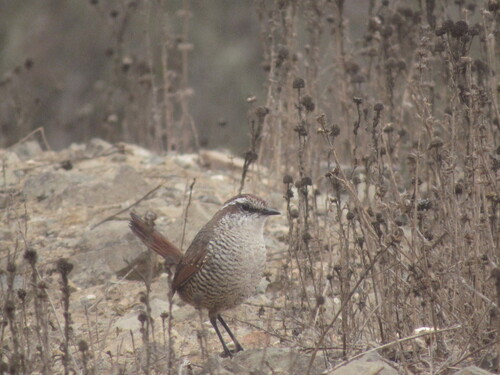
アカバネオタテドリ (Scelorchilus albicollis) アカバネオタテドリ
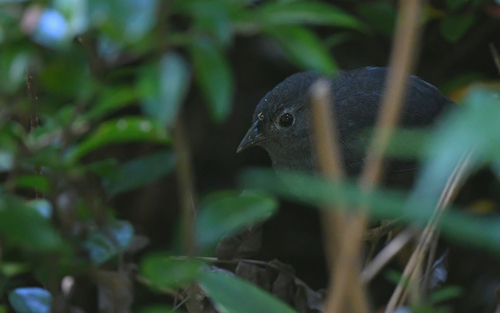
ワキアカオタテドリ (Eugralla paradoxa) ワキアカオタテドリ

メディア

読み込み中…

要点

アカバネオタテドリとワキアカオタテドリの最も信頼できるフィールドマークは、前者の太い白い眉斑と白い喉に対し、後者のワキアカ(黄土色)の脇と粘土色の腹部です。幼鳥の羽色は潜在的な落とし穴であり、両種はこの年齢では全体に縞模様がありますが、縞模様の色と分布、全体のトーンは異なります。アカバネオタテドリは特に大きくてがっしりしており、シナモン色の額とより茶色がかった上面を持っていますが、ワキアカオタテドリは小さく、上面は暗い灰色で、独特の「ローマ鼻」のプロファイルを持っています。下部の模様、顔、サイズに注意を払うことで、ほとんどのフィールド状況でそれらを区別できます。

識別のコツ

  1. Juvenile barring: 両種の幼鳥は全体に縞模様がありますが、ワキアカオタテドリの幼鳥は暗い灰色の基盤にシナモンから赤褐色の縞模様を持ち、アカバネオタテドリの幼鳥はより淡い色合いで、シナモン色のトーンが多く、全体のコントラストが少ないです。
  2. Supercilium and throat: アカバネオタテドリはすべての年齢(非常に若い幼鳥を除く)で太い白い眉斑と白い喉を示しますが、これらはワキアカオタテドリにはありません。
  3. Flank and vent color: ワキアカオタテドリの成鳥は特徴的な黄土色の脇と粘土色の腹部を持ち、アカバネオタテドリの縞模様のある淡い下部と区別されます。
  4. Forehead color: アカバネオタテドリはシナモン色の額を持ち、ワキアカには見られません。
  5. Upperparts tone: アカバネオタテドリは上面が灰色がかった茶色(S. a. atacamaeはより淡く灰色がかっています)ですが、ワキアカオタテドリは上面が暗い灰色です。
  6. Underpart barring: アカバネオタテドリの成鳥はほとんどの下部に暗い茶色の縞模様を持っていますが、ワキアカオタテドリの成鳥は幼鳥を除いて縞模様のない単色の灰色の下部を持っています。
  7. Face shape: ワキアカオタテドリは「ローマ鼻」を持ち、傾斜のある目立つ顔のプロファイルはオタテドリには珍しく、アカバネオタテドリには見られません。
  8. Size and structure: アカバネオタテドリは大きく(19 cm対14.5 cm)がっしりしており、尾が長いですが、ワキアカはコンパクトで短い尾を持っています。
  9. Rump pattern: アカバネオタテドリは軽く縞模様のある尾羽を示しますが、ワキアカオタテドリの尾羽は特に縞模様があるとは記述されていません。
  10. Regional context: 西アルゼンチンにいる場合、ワキアカオタテドリのみが可能です。中央チリでは両方が発生する可能性があるため、羽色と構造が重要です。
  11. Subspecies confusion: S. a. atacamae(アカバネ)はより淡く灰色がかっていますが、白い眉斑と喉を持ち、ワキアカはこれを示しません。
  12. Perched vs. moving views: アカバネオタテドリの白い喉と眉斑は、短い視界でもしばしば見えますが、ワキアカオタテドリの黄土色の脇は、鳥が動いているときや翼をひらひらさせているときに最もよく見えます。
  13. Barred juveniles in flight: チリの森で小さな縞模様のあるオタテドリを見た場合、基盤色(ワキアカは暗い灰色、アカバネは淡いシナモン色)を確認し、脇に黄土色のヒントや顔に白があるかどうかを探してください。
  14. Sex differences: 両種に性別特有の羽色の違いは記述されていないため、すべてのフィールドマークは両性に適用されます。
  15. Voice: メモには記述されていないため、この文脈での区別に音声に依存しないでください。

大きさ

アカバネオタテドリは約19 cmの長さで、ワキアカオタテドリはわずか14.5 cmです。ワキアカはまた軽量で、成鳥の体重は約34.5 g(Wikidata)ですが、アカバネオタテドリはがっしりしています(正確な体重は示されていませんが、長さと構造から推測されます)。フィールドでは、アカバネオタテドリはより頑丈で尾が長く見えますが、ワキアカオタテドリはコンパクトで短い尾を持っています。

羽色

両種の幼鳥は全体に縞模様がありますが、アカバネオタテドリの幼鳥は全体に縞模様があり、より淡いシナモン色の洗いがかかっていますが、ワキアカオタテドリの幼鳥は暗い灰色の基盤にシナモンから赤褐色の縞模様を持っています。成鳥の場合、アカバネオタテドリは太い白い眉斑、白い喉、シナモン色の額、灰色がかった茶色の上面、白っぽいから淡いシナモン色の下部に暗い茶色の縞模様を示します。尾羽は軽く縞模様があります。ワキアカオタテドリの成鳥は上面が暗い灰色で、下部は腹部に向かって淡い灰色で、粘土色(黄土色)の腹部と特徴的な黄土色の脇を持っています。ワキアカの顔のプロファイルは独特で、傾斜のある「ローマ鼻」を持ち、アカバネオタテドリのより典型的なオタテドリの顔とは異なります。亜種S. a. atacamaeはより淡く灰色がかっていますが、白い眉斑と喉を示します。

生息環境

アカバネオタテドリはチリに特有ですが、ワキアカオタテドリは南中部チリと隣接する西アルゼンチンに見られます。彼らの分布はチリの一部で重なっていますが、ワキアカは南部およびアンデスの森林により可能性が高く、アカバネはチリの生息地に制限されています。生息地だけでは常に診断的ではありませんが、場所が知られている場合は識別をサポートできます。

より良い説明を送る

比較と同じ項目を使ってください。文章はすぐに公開されます。

The most reliable field mark between White-throated Tapaculo and Ochre-flanked Tapaculo is the bold white supercilium and white throat of the former, versus the ochre (tawny) flanks and clay-brown vent of the latter. Juvenile plumage is a potential pitfall, as both species are barred throughout at this age, but the color and distribution of barring and overall tones differ. White-throated Tapaculo is notably larger and bulkier, with a cinnamon forehead and more brownish upperparts, while Ochre-flanked Tapaculo is smaller, darker gray above, and has a unique 'Roman nose' profile. Careful attention to underpart patterning, face, and size will separate them in most field situations.

  1. Juvenile barring: Both species' juveniles are barred all over, but Ochre-flanked Tapaculo juveniles have cinnamon to rufous barring over a dusky gray base, while White-throated Tapaculo juveniles are paler with more cinnamon tones and less overall contrast.
  2. Supercilium and throat: White-throated Tapaculo of all ages (except possibly very young juveniles) shows a bold white supercilium and a white throat—these are absent in Ochre-flanked Tapaculo.
  3. Flank and vent color: Ochre-flanked Tapaculo adults have distinctive tawny-brown (ochre) flanks and a clay-brown vent, setting them apart from the barred, paler underparts of White-throated Tapaculo.
  4. Forehead color: White-throated Tapaculo has a cinnamon forehead, which is not seen in Ochre-flanked.
  5. Upperparts tone: White-throated Tapaculo is gray-brown above (with S. a. atacamae paler and grayer), while Ochre-flanked Tapaculo is dark gray above.
  6. Underpart barring: White-throated Tapaculo adults have dark brown barring across most of the underparts, while Ochre-flanked Tapaculo adults have plain gray underparts with no barring, except in juveniles.
  7. Face shape: Ochre-flanked Tapaculo has a 'Roman nose'—a sloping, prominent facial profile—unusual for tapaculos and not present in White-throated.
  8. Size and structure: White-throated Tapaculo is larger (19 cm vs. 14.5 cm) and bulkier, with a longer tail; Ochre-flanked is compact and short-tailed.
  9. Rump pattern: White-throated Tapaculo shows lightly barred rump; Ochre-flanked Tapaculo's rump is not specifically described as barred.
  10. Regional context: If in western Argentina, only Ochre-flanked Tapaculo is possible. In central Chile, both may occur, so plumage and structure are critical.
  11. Subspecies confusion: S. a. atacamae (White-throated) is paler and grayer, but still has the white supercilium and throat, which Ochre-flanked never shows.
  12. Perched vs. moving views: The white throat and supercilium of White-throated Tapaculo are often visible even in brief views; the ochre flanks of Ochre-flanked may be best seen when the bird is moving or flicking its wings.
  13. Barred juveniles in flight: If you see a small, barred tapaculo in Chilean forests, check for the base color (dusky gray for Ochre-flanked, paler cinnamon for White-throated) and look for any hint of ochre on the flanks or white on the face.
  14. Sex differences: No sex-specific plumage differences are described for either species, so all field marks apply to both sexes.
  15. Voice: Not described in the notes, so do not rely on vocalizations for separation in this context.

White-throated Tapaculo is significantly larger, measuring about 19 cm in length, while Ochre-flanked Tapaculo is only 14.5 cm. The Ochre-flanked is also lighter, with adult body mass around 34.5 g (Wikidata), while White-throated Tapaculo is bulkier (exact mass not given, but implied by length and structure). In the field, White-throated Tapaculo appears more robust and longer-tailed, while Ochre-flanked Tapaculo is compact and short-tailed.

Juveniles of both species are barred throughout, but White-throated Tapaculo juveniles show overall barring with a paler, more cinnamon wash, while Ochre-flanked Tapaculo juveniles have cinnamon to rufous barring over a dusky gray base. For adults, White-throated Tapaculo shows a bold white supercilium, white throat, cinnamon forehead, gray-brown upperparts, and underparts with dark brown barring over whitish to pale cinnamon. Its rump is lightly barred. Ochre-flanked Tapaculo adults are dark gray above, paler gray on the underparts to the abdomen, with a clay-brown (ochre) vent and distinct tawny-brown flanks. The face profile of Ochre-flanked is distinctive, with a sloping 'Roman nose,' unlike the more typical tapaculo face of White-throated. The subspecies S. a. atacamae is paler and grayer, but still shows the white supercilium and throat.

White-throated Tapaculo is endemic to Chile, while Ochre-flanked Tapaculo is found in south-central Chile and adjacent western Argentina. Their ranges overlap in parts of Chile, but Ochre-flanked is more likely in southern and Andean forests, whereas White-throated is restricted to Chilean habitats. Habitat alone is not always diagnostic, but can support identification if the location is known.

変更を破棄しますか?

保存していない編集があります。今離れると失われます。

アカバネオタテドリ · ワキアカオタテドリ · 苦手な鳥