

Steltkluut vs Indische ralreiger
Himantopus himantopus versus Ardeola grayii
Speel een quiz met Steltkluut en Indische ralreiger
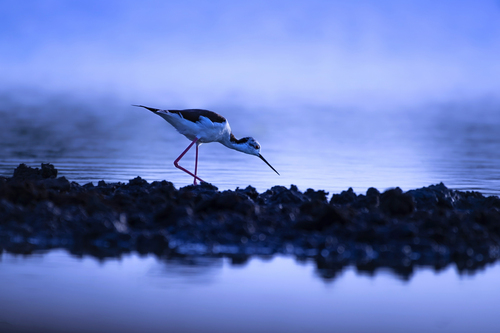 Steltkluut
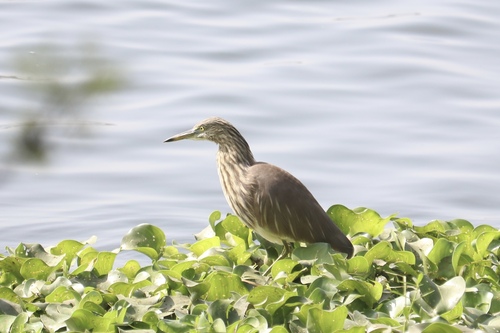 Indische ralreiger
Kort gezegd
The most reliable separation between Black-winged Stilt and Indian Pond Heron is seen in flight: Black-winged Stilt (all ages) shows black upperwings with a sharp white body and head, while Indian Pond Heron transforms from a cryptic, brownish bird at rest to a striking white-winged heron when flushed. Stilts are tall, spindly waders with extremely long pink legs and a slim black bill, always appearing elegant and open. Pond Herons are stocky, short-necked, and short-legged, with a thick bill and a hunched posture. Immature stilts show a sandy-grey wing with pale fringes and a whitish line in flight, unlike the all-white wings of pond herons. Perched, the stilt is boldly black-and-white, while the heron is streaked and brown, blending into its surroundings.
Herkenningstips
- In flight, check the wing color: Black-winged Stilt (all ages) shows black upperwings with a white body and head; Indian Pond Heron flashes bright white wings contrasting with its otherwise brownish body.
- Juvenile/immature stilt flight pattern: Look for sandy-grey upperwings with pale fringes forming a whitish line in flight—unique to immature stilts and not seen in pond herons.
- Leg length and color: Black-winged Stilt has extremely long, bright pink legs that trail well beyond the tail in flight and are obvious when wading. Indian Pond Heron has short, dull legs, rarely showing red (and only as a rare variant in breeding season).
- Bill shape: Stilt has a long, thin, straight black bill; heron has a short, thick, dagger-like bill, yellowish at the base.
- Body shape and posture: Stilt is tall, slender, and upright, often standing in open water. Heron is compact, hunched, and often crouched at the water's edge.
- Head and neck: Stilt has a white head and neck with variable black (more in males, especially in summer); heron has a streaked, buff-brown head and neck, sometimes with long plumes in breeding adults.
- Back color: Stilt's back is black (male, often with greenish gloss) or brownish-black (female); heron's back is buff-brown and blends with the rest of the body.
- Perched appearance: Stilt always looks crisp black-and-white; heron is cryptic, brownish, and streaked, blending into surroundings.
- Behavior: Stilt is active, striding, and exposed; heron is still, stealthy, and often hidden.
- Habitat context: Stilt prefers open, shallow water; heron is more often in vegetated, concealed margins or small ponds.
- Size and build: Heron is heavier and more robust; stilt is lighter, longer-legged, and more delicate.
- Tail and primary projection: Not specifically diagnostic in notes, but stilt's long legs and slim build contrast with heron's short tail and compact body.
- Voice: Only heron is described as giving a harsh croak when flushed; stilt's call not described here.
- Seasonal variation: Male stilt may show more black on head/neck in summer, but this is variable and not always reliable. Heron's breeding plumes and rare red legs are not consistent marks.
- Common pitfalls: At rest, pond heron can appear dull and inconspicuous, but in flight the white wings are obvious—do not confuse this with the stilt's black wings. Immature stilt's sandy-grey wing with pale fringes is a key mark not matched by heron at any age.
Grootte
Indian Pond Heron is noticeably heavier (255 g vs 160 g) and more robust than Black-winged Stilt. The stilt is longer-legged and more slender overall, with a much more elongated and delicate profile. The heron is compact, with a short neck and thick body, while the stilt appears tall and spindly, especially when standing or wading.
Verenkleed
In flight, Black-winged Stilt of all ages shows black upperwings and a white body, with immatures displaying a sandy-grey tone and pale feather fringes forming a whitish line along the wing. Indian Pond Heron, by contrast, is cryptic and brownish when perched, but its wings flash bright white in flight, creating a dramatic contrast with the rest of the body. Adult stilts have a white head and neck (with variable black in males, especially in summer), black or brownish-black back, and long pink legs. Female stilts have less black on the head and neck, but this is variable and unreliable. Indian Pond Herons are buff-brown above, streaked, with a short thick bill, and only show white on the wings and tail in flight. Breeding herons may show long neck plumes and, rarely, red legs. Juvenile and immature stilt wing pattern (sandy-grey with pale fringes) is a key mark in flight, not matched by the heron.
Gedrag
Black-winged Stilts are active, open-country waders, often seen striding through shallow water with long, obvious steps and upright posture. They are rarely cryptic and are usually conspicuous in open marshes or lakes. Indian Pond Herons are stealthy and secretive, often motionless at the water's edge or stalking prey with slow, deliberate movements. They rely on camouflage and can be approached closely before flushing, at which point their white wings become obvious. Stilts are rarely mistaken for herons in behavior due to their constant movement and exposed habits.
Habitat
Both species can be found at the edges of water bodies, but Black-winged Stilt favors open marshes, shallow lakes, and ponds, often in more open, less vegetated settings. Indian Pond Heron is more likely to be found in vegetated margins, small ponds, rice paddies, and even urban water bodies, often close to cover. The stilt is more likely in open, sunlit areas, while the heron prefers more concealed or overgrown spots.
Geluid
Indian Pond Heron is usually silent but may give a harsh croak when flushed or near the nest. Black-winged Stilt is not described for voice in the provided notes, so vocalizations are not a reliable separation in this context.