

Grijze tinamoe vs Zwartkoptinamoe
Tinamus tao versus Crypturellus atrocapillus
Speel een quiz met Grijze tinamoe en Zwartkoptinamoe
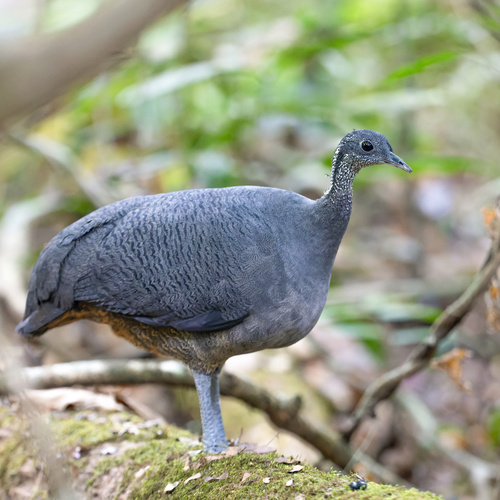 Grijze tinamoe
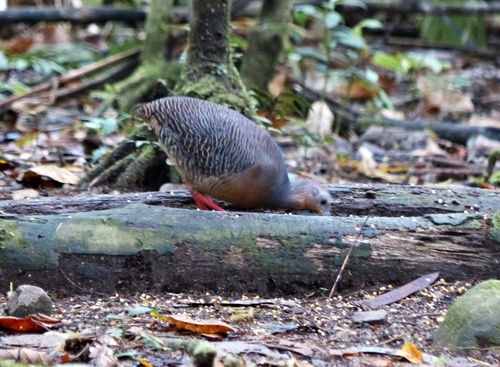 Zwartkoptinamoe
Kort gezegd
De meest betrouwbare manier om Grijze tinamoe van Zwartkoptinamoe in het veld te scheiden, is door de algehele grootte en structuur: Grijze tinamoe is veel groter en robuuster, terwijl Zwartkoptinamoe duidelijk kleiner en compacter is. Wanneer ze samen worden gezien, zal Grijze tinamoe verschijnen als een zware, op de grond levende vogel, terwijl Zwartkoptinamoe delicaat is en waarschijnlijk over het hoofd wordt gezien in dichte laaglandbossen. Verschillen in verenkleed zijn subtiel en kunnen moeilijk te beoordelen zijn op afstand, maar structurele aanwijzingen en de context van het habitat zijn sterke hulpmiddelen. Geen van beide soorten heeft onderscheidende leeftijdspecifieke vleugel- of vliegpatronen die in de beschikbare bronnen worden beschreven, dus focus op grootte, jizz en context.
Herkenningstips
- Grootte is het meest betrouwbare veldkenmerk: Grijze tinamoe is veel groter en zwaarder dan Zwartkoptinamoe. Gebruik dit wanneer je een goed gevoel voor schaal hebt of de vogel op open grond ziet.
- Structuur en jizz: Grijze tinamoe lijkt robuust en zwaar, met een brede lichaam en langzame, doordachte bewegingen. Zwartkoptinamoe is kleiner, compacter en kan sneller of behendiger bewegen.
- Verenkleed is geen sterke scheiding: Beide soorten zijn cryptisch gekleurd voor camouflage. Grijze tinamoe is over het algemeen meer uniform grijs, terwijl Zwartkoptinamoe een donkerder kap kan hebben, maar dit is geen sterk contrasterend of altijd zichtbaar kenmerk.
- Geen onderscheidende juvenile of onvolwassen vleugelpatronen zijn beschreven: Vertrouw niet op vlieg- of bovenste vleugelpatronen voor scheiding, aangezien bronnen geen leeftijdspecifieke kenmerken voor beide soorten vermelden.
- Habitatcontext: In vochtig tropisch laaglandbos is Zwartkoptinamoe waarschijnlijker. Als je in een breder scala van bosachtige habitats bent, overweeg dan Grijze tinamoe, vooral als de vogel groot lijkt.
- Gedrag: Beide soorten zijn schuw en op de grond levend, maar Grijze tinamoe lijkt langzamer en minder geneigd om snel op te vliegen vanwege zijn grootte. Zwartkoptinamoe kan meer ongrijpbaar en snel zijn door dichte begroeiing.
- Groepscontext: Als je meerdere tinamoes samen ziet en één is merkbaar groter, is het waarschijnlijk Grijze tinamoe. Zwartkoptinamoe zal niet overeenkomen met de bulk van Grijze tinamoe.
- Vocalisaties zijn niet beschreven in de bronnen: Vertrouw niet op de stem voor scheiding, tenzij je lokale kennis hebt.
- Geslacht en seizoen: Er zijn geen seksuele dimorfismen of seizoensgebonden verenkleedveranderingen beschreven voor beide soorten; identificatie is het hele jaar door hetzelfde en voor beide geslachten.
- Verlichting en afstand: In slecht licht of op afstand, vertrouw op grootte en structuur in plaats van subtiele verschillen in verenkleed.
- Verwarringsrisico: Als je onzeker bent, noteer dan altijd eerst de schijnbare grootte en het habitat van de vogel, aangezien dit de meest consistente scheiders zijn tussen deze twee soorten.
Grootte
Grijze tinamoe is aanzienlijk groter en zwaarder dan Zwartkoptinamoe, die gemiddeld ongeveer 453 gram weegt [wikidata]. De Grijze tinamoe behoort tot de grootste tinamoes, met een robuuste, zware bouw, terwijl Zwartkoptinamoe veel kleiner en lichter is, met een compactere, ronde uitstraling. Als je een tinamoe ziet die merkbaar groot en zwaar lijkt, is het waarschijnlijk Grijze tinamoe; een kleinere, meer delicate vogel past bij Zwartkoptinamoe.
Verenkleed
Er zijn geen leeftijdspecifieke of bovenste vleugelvliegpatroonverschillen beschreven voor deze soorten in de beschikbare bronnen. Beide soorten zijn over het algemeen cryptisch en aardetinten, aangepast voor camouflage op de bosgrond. Grijze tinamoe heeft de neiging een meer uniforme grijze kleur te hebben, terwijl de naam van Zwartkoptinamoe wijst op een donkerdere kap, maar dit wordt niet beschreven als een gedurfd of sterk contrasterend kenmerk. Subtiele verschillen in koppatroon kunnen bestaan, maar worden niet gedetailleerd in de bronnen. In slecht licht of op afstand is het verenkleed alleen onbetrouwbaar voor scheiding.
Gedrag
Beide soorten zijn op de grond levend en geheimzinnig, en geven de voorkeur aan lopen of rennen in plaats van vliegen. Grijze tinamoe, zijnde groter, kan zwaarder en minder geneigd lijken om snel op te vliegen, terwijl Zwartkoptinamoe, als kleinere vogel, behendiger kan bewegen door dichte begroeiing. Beide zijn moeilijk lange tijd te observeren, vaak bevriezen of wegslippen in de dekking.
Habitat
Grijze tinamoe is inheems in Zuid-Amerika en wordt aangetroffen in een verscheidenheid aan bosachtige habitats, terwijl Zwartkoptinamoe specifiek wordt opgemerkt als algemeen in vochtige bossen in laaglanden van subtropische en tropische gebieden [wikipedia]. Als je in vochtig tropisch laaglandbos bent, is Zwartkoptinamoe waarschijnlijker; Grijze tinamoe kan voorkomen in een breder scala van bossoorten. Lokale overvloed kan ook verschillen, waarbij Zwartkoptinamoe de verwachte tinamoe is in zijn voorkeurshabitat.