

Roestkruinprinia vs Witborstprinia
Prinia khasiana versus Prinia superciliaris
Speel een quiz met Roestkruinprinia en Witborstprinia
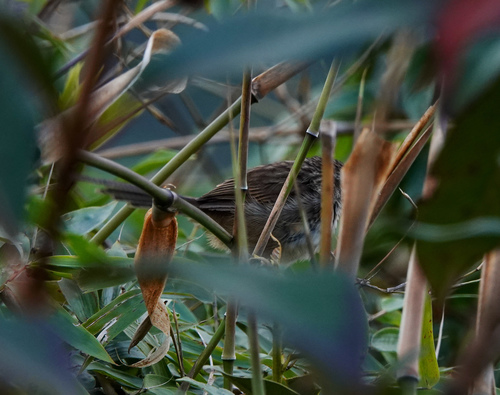 Roestkruinprinia
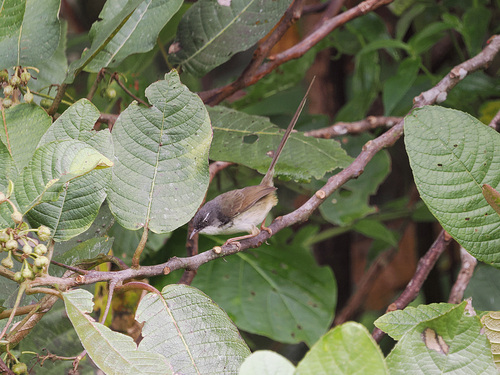 Witborstprinia
Kort gezegd
Het onderscheiden van Roestkruinprinia van Witborstprinia in het veld is uitdagend vanwege hun vergelijkbare algehele structuur en subtiele verenkleedverschillen, vooral bij volwassen vogels. De meest betrouwbare scheiding is geografisch: Roestkruinprinia is beperkt tot de Oostelijke Himalaya, terwijl Witborstprinia zich wijd verspreidt over Zuidoost-Azië en Zuid-China. In gebieden met mogelijke overlap (noordoost India) is zorgvuldige aandacht voor de kopkleur en het supercilium essentieel. Beide soorten zijn kleine, actieve zangvogels met vergelijkbare gewoonten, dus focus op subtiele verenkleedcontrasten en het bereik.
Herkenningstips
- Geografisch bereik is de sterkste scheiding: Roestkruinprinia wordt alleen gevonden in de Oostelijke Himalaya; Witborstprinia komt wijdverspreid voor in Zuidoost-Azië en Zuid-China. Als je buiten de Oostelijke Himalaya bent, heb je vrijwel zeker Witborstprinia.
- Koppatroon: Zoek naar een duidelijke roestkleurige (roestbruin) kroon op Roestkruinprinia. Deze is meestal afwezig of veel doffer bij Witborstprinia, die in plaats daarvan een meer prominente lichte supercilium (wenkbrauw) vertoont.
- Supercilium: Witborstprinia heeft vaak een sterkere, meer opvallende lichte supercilium, wat het gezicht een meer gepatternde uitstraling geeft. Het supercilium van Roestkruinprinia is minder opvallend, en de roestkleurige kroon trekt meer aandacht.
- Kleur van de kroon: In goed licht is de roestkleurige kroon van Roestkruinprinia een belangrijk kenmerk. Als de kroon eenvoudig bruin lijkt of een roestkleurige toon mist, overweeg dan Witborstprinia, vooral als het supercilium sterk is.
- Jong en versleten vogels: Deze kenmerken zijn mogelijk minder duidelijk bij jonge of versleten vogels. In dergelijke gevallen moet je meer vertrouwen op het bereik en het habitat.
- Verenkleed elders: Er zijn geen betrouwbare verschillen in vleugel- of staartpatronen gedocumenteerd voor deze twee soorten; beide zijn typische bruinachtige prinias met lichte onderdelen.
- Grootte en structuur: Beide soorten zijn vergelijkbaar in grootte en vorm, zonder praktische verschillen in het veld.
- Gedrag: Beide zijn actieve, staartopgerichte zangvogels; gedrag helpt niet om ze te scheiden.
- Habitat: In de Oostelijke Himalaya, controleer op beide soorten in struikachtige of grasachtige gebieden. Elders is Witborstprinia de standaard.
- Stem: Er zijn geen onderscheidende vocale verschillen beschreven in de beschikbare bronnen; vertrouw niet op zang of roep voor scheiding.
- Valkuilen: Verwar de roestkleurige kroon van Roestkruinprinia niet met een zonovergoten bruine kroon op Witborstprinia—zoek naar een echte roestkleurige toon.
- Overlapzones: In noordoost India en aangrenzende gebieden kunnen beide soorten voorkomen. Gebruik een combinatie van koppatroon en bereik.
- Geslacht en seizoen: Geen gedocumenteerde seksuele of seizoensgebonden verenkleedverschillen die helpen bij scheiding.
- Directe vergelijking: Als je beide soorten samen ziet, zou de roestkleurige kroon en het zwakkere supercilium van Roestkruinprinia moeten opvallen tegen het meer gepatternde gezicht van Witborstprinia.
- Bij twijfel: Als het koppatroon ambigu is en je bent buiten de Oostelijke Himalaya, ga dan uit van Witborstprinia.
Grootte
Zowel Roestkruinprinia als Witborstprinia zijn kleine, slanke zangvogels die typisch zijn voor het geslacht Prinia. Beschikbare bronnen geven geen onderscheidende metingen voor lengte of massa tussen deze twee soorten, en in het veld is hun grootte vrijwel niet te onderscheiden met een verrekijker.
Verenkleed
Er zijn geen gedetailleerde leeftijdspecifieke verschillen in vleugel- of vluchtpatronen beschreven voor een van beide soorten in de beschikbare bronnen. Voor zittende vogels is het beste kenmerk de kop: Roestkruinprinia toont een duidelijke roestkleurige (roestbruin) kroon, die meestal afwezig of veel minder uitgesproken is bij Witborstprinia. Witborstprinia toont vaak een meer prominente lichte supercilium (wenkbrauw) en minder roestkleur op de kroon, wat de kop een meer contrasterende, gepatternde uitstraling geeft. Deze verschillen zijn het meest duidelijk bij volwassenen en kunnen minder duidelijk zijn bij juvenielen of versleten vogels. Zonder directe vergelijking kunnen deze kenmerken subtiel zijn, dus gebruik bereik en context ter ondersteuning van je identificatie.
Gedrag
Beide soorten zijn actieve, rusteloze insectenetende vogels, die typisch worden gezien terwijl ze door lage struiken en gras fladderen, vaak met opgerichte staarten. Hun algemene gedrag en 'jizz' zijn zeer vergelijkbaar, en gedrag alleen is geen betrouwbare scheiding.
Habitat
Roestkruinprinia is inheems in de Oostelijke Himalaya, waar het de voorkeur geeft aan heuvel- en voetheuvelstruikgewas, terwijl Witborstprinia zich over een veel breder gebied in Zuid- en Oost-Azië verspreidt, inclusief China, Zuidoost-Azië en delen van het Indisch subcontinent. In het veld, als je buiten de Oostelijke Himalaya bent, is de kans veel groter dat je Witborstprinia tegenkomt. In gebieden van overlap kunnen beide soorten in vergelijkbare struikachtige of grasachtige habitats worden aangetroffen.