

bichoita vs joão-teneném
Schoeniophylax phryganophilus versus Synallaxis spixi
Jogue um quiz com bichoita e joão-teneném
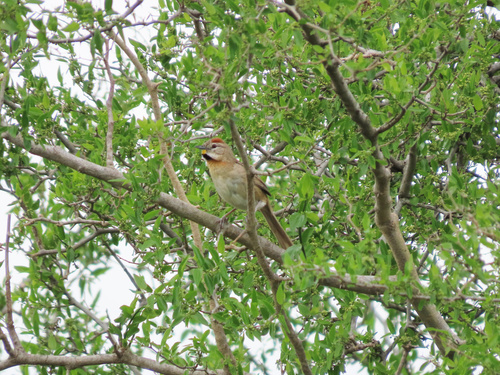 bichoita
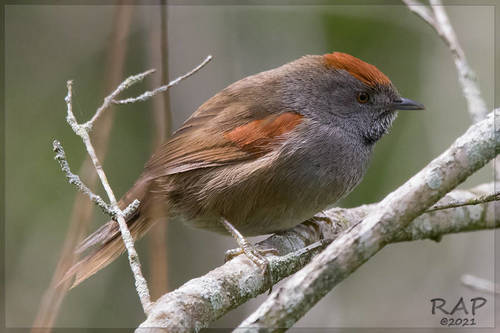 joão-teneném
Em resumo
A maneira mais confiável de separar bichoita de joão-teneném é focando no padrão da garganta e do rosto: bichoita apresenta um queixo e uma parte superior da garganta amarelos brilhantes com uma nítida mancha quadrada preta na parte inferior da garganta, enquanto joão-teneném tem uma garganta branca acinzentada com uma mancha preta menos distinta e mais difusa. Bichoita também é visivelmente maior e com cauda mais longa, com um dorso mais claro e listrado e um supercílios branco ousado. Os juvenis de ambas as espécies têm manchas de garganta mais apagadas e menos distintas, mas os juvenis de bichoita ainda mostram um queixo mais claro e listras menos nítidas acima. A estrutura e a forma da cauda, assim como as preferências de habitat, podem ajudar quando a plumagem está obscurecida.
Dicas de identificação
- Cor da Garganta e Queixo (Todas as Idades): Bichoita sempre mostra um queixo e uma parte superior da garganta amarelos brilhantes, com uma nítida mancha quadrada preta na parte inferior da garganta, cercada por branco. João-teneném tem uma garganta branca acinzentada com uma mancha preta menos distinta e difusa—nunca amarela. Esta é a melhor marca de campo em qualquer idade.
- Supercílios e Rosto: Bichoita tem um supercílios branco ousado e coberturas auriculares marrom claro, enquanto joão-teneném tem um supercílios cinza pálido em um rosto marrom acinzentado. O rosto de bichoita parece mais contrastante e aberto.
- Coroa e Dorso: A coroa de bichoita é castanha com listras marrons fracas, e seu dorso é marrom claro com listras escuras óbvias. João-teneném tem uma coroa ruiva (sem listras) e um dorso marrom escuro, sem as listras ousadas de bichoita.
- Estrutura da Cauda: A cauda de bichoita é longa, marrom claro, e bastante uniforme com eixos escuros. A cauda de joão-teneném é mais curta, marrom escuro, graduada (passos para baixo), e as penas centrais são pontudas. Em voo ou empoleirada, bichoita parece ter cauda mais longa e mais alongada.
- Partes Inferiores: Bichoita apresenta um peito superior damasco, um peito inferior branco amarelado, e uma barriga esbranquiçada, com flancos marrom claro. João-teneném é marrom acinzentado em todo o corpo, com barriga marrom acinzentada mais clara e flancos mais marrons—nunca damasco ou branco amarelado.
- Diferenças Juvenis: O juvenil de bichoita tem uma coroa marrom, queixo esbranquiçado, e uma mancha de garganta preta fraca, com listras menos nítidas acima. O juvenil de joão-teneném tem uma coroa marrom acinzentada, partes inferiores marrons ocráceas, e uma mancha de garganta menos distinta, mas a garganta permanece acinzentada, não amarelada.
- Cor das Asas e Ombros: As asas de bichoita são principalmente marrom claro com um ombro castanho, enquanto as coberturas menores de joão-teneném são ruivas e o restante da asa é marrom escuro com bordas ruivas largas. Em luz fraca, a asa de joão-teneném pode parecer mais escura e mais contrastante.
- Bico e Pernas: Ambos têm cores de bico e pernas semelhantes, então esses não são úteis para separação em campo.
- Tamanho e Estrutura: Bichoita é visivelmente maior (20–22 cm vs 16–17 cm) e mais pesada (15–22,5 g vs 13 g). Ela parece mais esguia e com cauda mais longa, enquanto joão-teneném é compacto e com cauda curta. Use isso apenas quando você tiver uma boa noção de escala.
- Preferência de Habitat: Em arbustos abertos ou semi-abertos, bordas de florestas galeria, ou bordas de pântano, suspeite de bichoita. Em crescimento secundário denso e arbustivo ou sub-bosque da Mata Atlântica, joão-teneném é mais provável. No entanto, ambos podem se sobrepor em alguns habitats de borda.
- Comportamento: Bichoita é mais propensa a empoleirar-se e ser conspícua, enquanto joão-teneném é mais secreta, permanecendo baixa em coberturas densas.
- Vocalizações: O canto de bichoita é uma série de notas "cho" de tom baixo, mais profundas e ressonantes do que as de joão-teneném. O canto de joão-teneném é de tom mais alto, musical e borbulhante. Se você ouvir um canto profundo e trinado, pense em bichoita; se for uma série doce e borbulhante, pense em joão-teneném.
- Cor da Íris: Ambos podem mostrar íris avermelhadas a marrons, então isso não é uma marca de campo confiável.
- Estação e Distribuição: Ambas as espécies estão presentes durante todo o ano em grande parte de sua distribuição, mas bichoita é mais ampla em áreas abertas, enquanto joão-teneném está mais ligado à Mata Atlântica e a elevações mais altas.
- Armadilhas: Em luz fraca ou com vistas breves, a cor da garganta e a forma da cauda são as mais confiáveis. Os juvenis de ambos podem parecer mais apagados, mas os juvenis de bichoita ainda mostram um queixo mais claro e listras menos nítidas acima do que os de joão-teneném.
Tamanho
Bichoita é significativamente maior, medindo 20–22 cm de comprimento e pesando 15–22,5 g, enquanto joão-teneném é menor, com 16–17 cm e cerca de 13 g. Em campo, bichoita parece mais esguia e com cauda mais longa, muitas vezes parecendo mais alongada do que o compacto joão-teneném. Se vistos lado a lado, a diferença de tamanho é óbvia, mas cuidado, pois aves solitárias podem ser enganosas sem uma comparação direta.
Plumagem
- Juvenis: Os juvenis de bichoita têm uma coroa marrom, um queixo esbranquiçado, e uma mancha de garganta preta mal definida, com listras menos nítidas acima. Os juvenis de joão-teneném mostram uma coroa marrom acinzentada, partes inferiores marrons ocráceas, e uma mancha de garganta menos distinta, mas sua garganta permanece acinzentada em vez de amarelada.
- Adultos: Os adultos de bichoita são distintos com um supercílios branco, coberturas auriculares marrom claro, uma coroa castanha com listras fracas, dorso marrom claro com listras escuras ousadas, e uma cauda longa e marrom clara. A garganta é diagnóstica: queixo/ampla garganta amarelo brilhante, uma nítida mancha quadrada preta na parte inferior da garganta cercada por branco, e um peito superior damasco. Os adultos de joão-teneném têm um supercílios cinza pálido, coroa ruiva, dorso e cauda marrons escuros, e uma garganta branca acinzentada com penas pretas na parte inferior da garganta com bordas cinzas. Suas partes inferiores são marrons acinzentadas, sem os tons de damasco ou branco amarelado de bichoita. A cauda de joão-teneném é marrom escuro, graduada, e as penas centrais são pontudas, ao contrário da cauda longa, clara e mais uniforme de bichoita.
Comportamento
Ambas as espécies forrageiam em pares e são ativas em habitats arbustivos ou de borda. Bichoita é frequentemente mais conspícua, movendo-se através de áreas abertas ou semi-abertas e empoleirando-se mais alto, enquanto joão-teneném tende a permanecer baixo em sub-bosques densos e é mais furtivo. Bichoita pode ser mais fácil de avistar em voo ou empoleirada, enquanto joão-teneném é mais provável de ser vislumbrado brevemente enquanto se move através de coberturas densas.
Habitat
Bichoita prefere paisagens abertas a semi-abertas, como savanas arborizadas, bordas de florestas galeria, matas ao longo de cursos d'água, matas de monte, e bordas de pântano, geralmente abaixo de 500 m de elevação. João-teneném está mais intimamente ligado ao bioma da Mata Atlântica, favorecendo crescimento secundário denso e arbustivo, restingas, campos rupestres, e habitats arbustivos, e se estende até 2.200 m. Em áreas sobrepostas, bichoita é mais provável em arbustos abertos ou de borda, enquanto joão-teneném em vegetação densa e baixa.
Voz
O canto de bichoita é uma série distinta de notas "cho" de tom baixo, soando surpreendentemente profundo para seu tamanho, e pode incluir uma série complexa e tagarela. João-teneném emite uma frase de cinco sílabas com uma qualidade borbulhante ("doce! bee bee bee bee"), e um repetido "wee'tiddledidee". O canto de bichoita é mais baixo e mais ressonante, enquanto o de joão-teneném é de tom mais alto e mais musical. Chamadas não são descritas em detalhes para joão-teneném, mas a chamada de bichoita é apressada e distinta.