

mariquita-de-connecticut vs mourning warbler
Oporornis agilis versus Geothlypis philadelphia
Jogue um quiz com mariquita-de-connecticut e mourning warbler
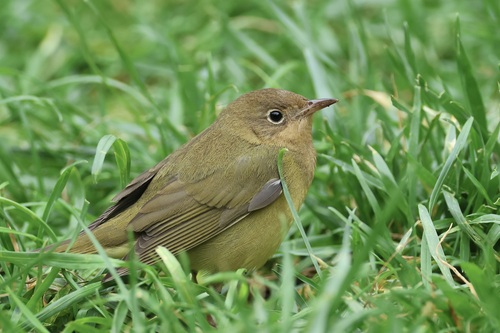 mariquita-de-connecticut
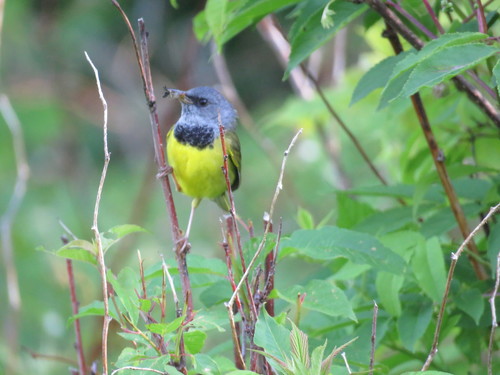 mourning warbler
Em resumo
A marca de campo mais confiável para separar a mariquita-de-connecticut da mourning warbler em todas as plumagens é o anel ocular: a mariquita-de-connecticut sempre apresenta um anel ocular completo e ousado, enquanto a mourning warbler nunca tem um anel ocular completo—fêmeas e imaturos têm um anel incompleto ou quebrado. Para imaturos, verifique também a cor do peito: a mariquita-de-connecticut é mais clara e branca por baixo, enquanto a mourning warbler é mais amarelada. Machos adultos de ambas as espécies têm capuzes cinzas, mas apenas os machos da mourning warbler mostram uma mancha preta na garganta e no peito, e lore pretos. Ambas têm partes inferiores amarelas e partes superiores oliva, mas a atenção cuidadosa a esses sutis detalhes faciais e de garganta é fundamental, especialmente no outono ou com aves jovens.
Dicas de identificação
- Anel ocular (todas as idades): A mariquita-de-connecticut sempre tem um anel ocular branco completo e ousado. A mourning warbler nunca tem um anel ocular completo; fêmeas e imaturos mostram apenas um anel quebrado ou incompleto. Esta é a marca de campo mais confiável em todas as estações e idades.
- Cor do peito e da garganta em imaturos: O imaturo da mariquita-de-connecticut tem um peito e uma garganta mais claros e brancos, enquanto o imaturo da mourning warbler é mais amarelado ou com um tom oliva por baixo. Use isso em conjunto com o anel ocular, especialmente no outono.
- Garganta e capuz do macho adulto: Os machos da mourning warbler têm um capuz cinza com uma mancha preta na garganta e no peito e lore pretos. Os machos da mariquita-de-connecticut têm um capuz cinza simples sem preto na garganta e um rosto pálido e sem marcas.
- Padrão facial de fêmeas/imaturos: As fêmeas e imaturos da mariquita-de-connecticut são acastanhadas com um anel ocular completo e uma garganta esbranquiçada. As fêmeas e imaturos da mourning warbler têm uma cabeça cinza-acastanhada, anel ocular incompleto e uma garganta amarelo-cinza com um tom marrom ou oliva no peito.
- Bico e pernas: Ambas têm bicos finos e pontudos e pernas rosas; essas características não são úteis para separação.
- Partes superiores: Ambas são verde-oliva por cima, mas a mariquita-de-connecticut pode parecer ligeiramente mais clara no geral, especialmente em imaturos.
- Partes inferiores: Ambas mostram partes inferiores amarelas, mas a mariquita-de-connecticut é mais clara, especialmente no peito e na garganta, enquanto a mourning warbler é mais uniformemente amarela ou amarelo-oliva.
- Estrutura da cauda e das asas: Nenhuma diferença forte é notada na forma da cauda ou na fórmula das asas; ambas têm proporções típicas de warbler.
- Comportamento: A mariquita-de-connecticut frequentemente anda no chão e balança sua cauda, enquanto a mourning warbler forrageia baixo em vegetação densa e é menos provável de ser vista andando no chão.
- Preferência de habitat: Na época de reprodução, a mourning warbler prefere matas densas e regenerativas; a mariquita-de-connecticut é mais provável de ser encontrada em florestas abertas, boreais ou de madeira mista com sub-bosque menos denso.
- Mudanças sazonais: A mancha preta na garganta do macho da mourning warbler desbota no outono, tornando-os mais semelhantes à mariquita-de-connecticut, mas a diferença do anel ocular permanece confiável.
- Confusão com outras espécies: Ambas podem ser confundidas com a mariquita-de-MacGillivray e a nashville warbler, mas entre essas duas, o anel ocular e a cor da garganta são as marcas mais úteis.
- Contexto de grupo: A mariquita-de-connecticut é mais solitária, enquanto a mourning warbler pode se juntar a bandos mistos ou ser encontrada em pequenos grupos durante a migração.
- Tamanho: A mariquita-de-connecticut é ligeiramente maior e mais pesada, mas isso raramente é óbvio em campo, a menos que ambas sejam vistas juntas.
- Visões de voo: Se apenas uma breve visão de voo for obtida, concentre-se no rosto: um anel ocular forte e completo aponta para a mariquita-de-connecticut; um anel quebrado ou fraco sugere a mourning warbler.
Tamanho
Ambas as espécies são semelhantes em tamanho e estrutura geral, mas a mariquita-de-connecticut é ligeiramente maior e mais pesada em média. A mariquita-de-connecticut mede de 13 a 15 cm de comprimento com uma envergadura de 22 a 23 cm, e adultos podem pesar até 15 g ou até 25 g antes da migração. A mourning warbler é um pouco menor, variando de 10 a 15 cm de comprimento, com uma envergadura de 18 cm e uma massa média de cerca de 11,9 g. No campo, essa diferença de tamanho é sutil e raramente diagnóstica, a menos que ambas sejam vistas juntas.
Plumagem
- Plumagem imatura/juvenil: A característica mais diagnóstica é o anel ocular: a mariquita-de-connecticut (todas as idades) mostra um forte anel ocular branco completo, enquanto a mourning warbler (imuturo/fêmea) tem apenas um anel quebrado ou incompleto. As mariquitas-de-connecticut imaturas também têm uma garganta e um peito mais claros e brancos, contrastando com as partes inferiores amareladas e mais oliva da mourning warbler imatura.
- Machos adultos: Ambas têm capuzes cinzas, mas os machos da mourning warbler têm uma mancha preta na garganta e no peito e lore pretos, enquanto os machos da mariquita-de-connecticut não têm preto na garganta e têm um capuz cinza mais simples. O capuz e a mancha preta da mourning warbler desbotam no outono, tornando-se menos distintos, mas a falta de um anel ocular completo permanece uma diferença chave.
- Fêmeas: As fêmeas da mariquita-de-connecticut são mais acastanhadas com um anel ocular completo e uma garganta esbranquiçada, enquanto as fêmeas da mourning warbler são cinza-acastanhadas na cabeça, têm um anel ocular incompleto e uma garganta amarelo-cinza com um tom marrom ou oliva no peito.
- Partes superiores e inferiores: Ambas são oliva por cima e amarelas por baixo, mas a mariquita-de-connecticut tende a ser mais clara e mais desbotada por baixo, especialmente em imaturos.
Comportamento
A mariquita-de-connecticut é mais solitária e frequentemente forrageia no chão, andando e balançando sua cauda de uma maneira que lembra os wrens ou os maçaricos. A mourning warbler é mais provável de forragear baixo em vegetação densa, ao longo de galhos, e ocasionalmente captura insetos em voo. Ambas as espécies se alimentam de insetos e algumas frutas, mas o andar no chão e o balançar da cauda da mariquita-de-connecticut são comportamentos mais distintivos. A mourning warbler também é mais provável de ser encontrada em pequenos grupos ou bandos de espécies mistas durante a migração.
Habitat
A mariquita-de-connecticut prefere florestas mais abertas, frequentemente boreais ou de madeira mista, e é frequentemente encontrada no chão ou em vegetação baixa. A mourning warbler favorece matas densas de segundo crescimento, clareiras em regeneração e habitats arbustivos, especialmente em áreas perturbadas por desmatamento ou tempestades. Embora ambas possam se sobrepor na migração, a mourning warbler está mais intimamente ligada a habitats densos e regenerativos, enquanto a mariquita-de-connecticut é mais provável de ser encontrada em áreas abertas e menos arbustivas.
mariquita-de-connecticut · mourning warbler · Minhas aves difíceis