

bufo-real vs bufo-pequeno
Bubo bubo versus Asio otus
Jogue um quiz com bufo-real e bufo-pequeno
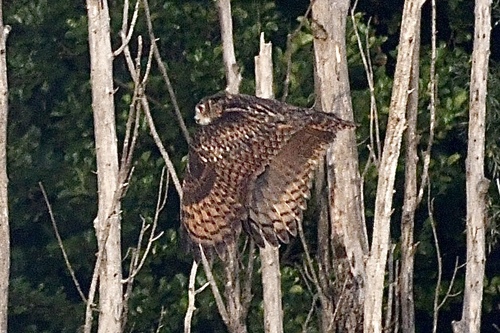 bufo-real
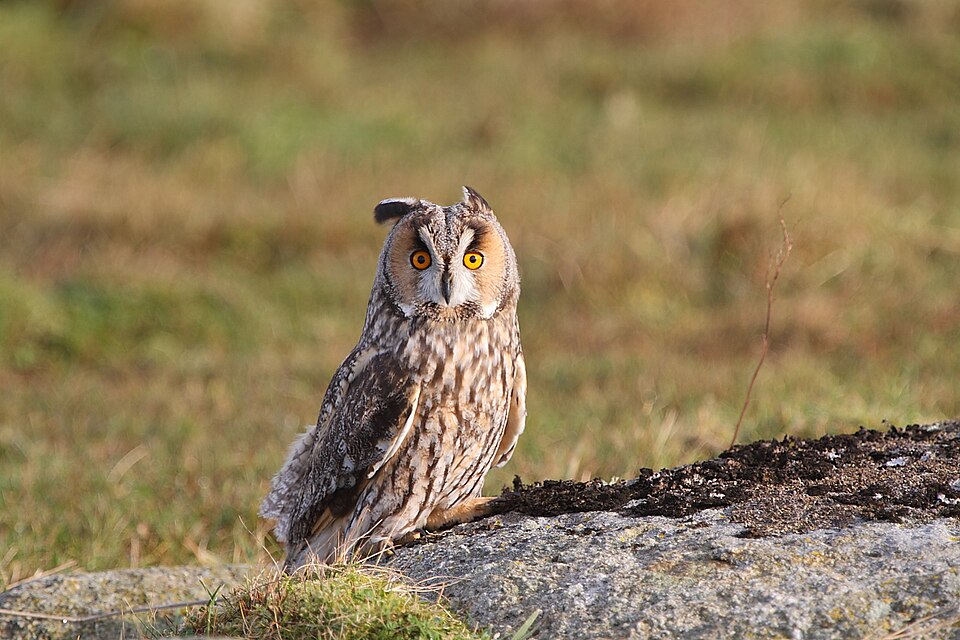 bufo-pequeno
Em resumo
A marca de campo mais confiável entre o bufo-real e o bufo-pequeno é o tamanho: o bufo-real é um verdadeiro gigante, enquanto o bufo-pequeno é apenas de tamanho médio, parecendo até esguio e delicado. Em voo ou empoleirado, a massa maciça do bufo-real, suas asas largas e sua enorme cabeça com tufos de orelha proeminentes contrastam fortemente com as asas longas e esguias e os tufos de orelha mais centrais e eretos do bufo-pequeno. Corujas bufo-pequenos juvenis e adultas mostram painéis pálidos distintos na base das primárias, especialmente visíveis em voo, que estão ausentes no bufo-real. A plumagem pode se sobrepor em tons gerais de marrom e listrados, mas o bufo-real é muito mais escuro e mais fortemente marcado, com uma estrutura mais ampla e poderosa em todo o corpo.
Dicas de identificação
- O tamanho é a marca mais confiável: O bufo-real é muito maior que o bufo-pequeno—se você ver uma ave que parece tão grande quanto um ganso ou um abutre, não é um bufo-pequeno. Isso se aplica a todas as idades e sexos.
- Silhueta em voo: O bufo-real mostra asas muito largas, uma cabeça enorme e batidas de asas pesadas e profundas; o bufo-pequeno é esguio, com asas longas e estreitas e um voo leve, semelhante ao de uma mariposa.
- Posição dos tufos de orelha: Os tufos de orelha do bufo-real são grossos, largos e posicionados nas laterais da cabeça; os do bufo-pequeno são mais finos, mais eretos e mais próximos um do outro, quase centrais no topo da cabeça.
- Disco facial: O bufo-pequeno tem um disco facial bem desenvolvido, frequentemente com bordas pálidas, com uma linha branca vertical no centro ou formando um 'bigode'; o disco facial do bufo-real é menos definido e mais misturado à cabeça.
- Asa superior em voo (especialmente juvenis): O bufo-pequeno mostra painéis pálidos ou laranja-claro na base das primárias, criando um flash marcante; o bufo-real não possui essa característica em nenhuma idade.
- Escapulares: O bufo-pequeno tem escapulares brancas proeminentes que contrastam com as costas mais escuras; as escapulares do bufo-real são menos contrastantes e mais fortemente listradas.
- Marcas nas partes inferiores: As partes inferiores do bufo-pequeno são mais claras com padrões em espinha de peixe (listras no eixo e barra transversal) abaixo do peito; o bufo-real é muito mais fortemente listrado e manchado em geral, especialmente no peito.
- Cor dos olhos: Os olhos do bufo-pequeno variam de laranja-amarelado a laranja-vermelho; os olhos do bufo-real são sempre de um laranja vívido, mas isso é menos confiável à distância.
- Tamanho do bico: O bufo-real tem um bico maciço e poderoso; o bico do bufo-pequeno é proporcionalmente muito menor e menos proeminente.
- Comportamento de empoleiramento: O bufo-real frequentemente se empoleira em locais abertos, em rochas ou grandes galhos, parecendo maciço e ereto; o bufo-pequeno prefere coberturas densas, frequentemente em coníferas, e é mais provável de ser visto empoleirado em grupo no inverno.
- Contexto do habitat: Se encontrado em terrenos acidentados, rochosos ou remotos, especialmente em áreas abertas, favoreça o bufo-real; se em florestas densas, arbustos ou parques urbanos, especialmente no inverno, favoreça o bufo-pequeno.
- Tom da plumagem: O bufo-real é geralmente mais escuro, com uma base marrom ou ruiva mais rica e listras pretas mais pesadas; o bufo-pequeno é mais claro, mais ocre-tawny, com listras e manchas mais finas.
- Dimorfismo sexual: Ambas as espécies mostram fêmeas maiores que os machos, mas a diferença de tamanho entre as espécies é sempre muito maior do que dentro de cada espécie.
- Grupos de empoleiramento: Corujas bufo-pequenos podem ser encontradas em locais de empoleiramento no inverno com várias aves juntas; os bufo-reais são sempre solitários ou em pares.
- Voz (se ouvida): O bufo-real emite um hoot profundo e retumbante; o chamado do bufo-pequeno é muito mais suave e menos distante—se você ouvir um hoot enorme e ressonante, suspeite do bufo-real.
Tamanho
O bufo-real é uma das maiores corujas do mundo, com uma massa corporal média de 2686 g [wikidata], e envergaduras que frequentemente excedem 150 cm. Em contraste, o bufo-pequeno é de tamanho médio e muito mais leve, com machos pesando em média cerca de 197–288 g e fêmeas 225–327 g dependendo da região [wikipedia]. A diferença é dramática: o bufo-real é quase dez vezes mais pesado e tem uma envergadura cerca de 1,5 vezes maior. No campo, mesmo à distância, o tamanho e a massa imensos do bufo-real são inconfundíveis em comparação com o esguio, quase delicado bufo-pequeno.
Plumagem
Corujas bufo-pequenos juvenis e adultas mostram painéis pálidos ou laranja-claro na base das primárias, formando um flash notável em voo—isso é especialmente proeminente em aves jovens e não está presente no bufo-real de nenhuma idade [wikipedia]. O bufo-pequeno é em geral ocre-tawny a marrom, com listras e manchas pretas variáveis, um disco facial bem desenvolvido com bordas escuras, e escapulares brancas proeminentes. Suas partes inferiores são mais claras com marcas em espinha de peixe abaixo do peito. O bufo-real, em contraste, é muito mais escuro e mais fortemente listrado, com uma cor de base marrom a ruiva, listras pretas largas nas partes superiores e no peito, e uma aparência geralmente mais imponente, menos finamente marcada. Ambas as espécies têm tufos de orelha, mas os do bufo-real são mais grossos e posicionados mais para o lado, enquanto os do bufo-pequeno são mais finos, mais eretos e mais próximos um do outro. A cor dos olhos varia no bufo-pequeno (de laranja-amarelado a laranja-vermelho), enquanto o bufo-real geralmente tem olhos laranja marcantes.
Comportamento
O bufo-real é um poderoso predador de caça no solo, frequentemente visto empoleirado em grandes rochas ou em terrenos abertos, exalando uma presença maciça e estátua. Seu voo é pesado e com batidas profundas, combinando com seu tamanho. O bufo-pequeno é muito mais secreto e ágil, empoleirando-se em coberturas densas, frequentemente em coníferas, e voando com uma ação leve, semelhante à de uma mariposa. No inverno, os bufo-pequenos podem formar locais de empoleiramento comunitários, às vezes em ambientes urbanos surpreendentes, enquanto os bufo-reais são sempre solitários ou em pares e requerem grandes territórios.
Habitat
Ambas as espécies são amplamente distribuídas pela Eurásia, mas o bufo-real prefere afloramentos rochosos, penhascos e florestas abertas, frequentemente em terrenos remotos ou acidentados. O bufo-pequeno está mais intimamente ligado às bordas de florestas densas, arbustos e bosques de coníferas, especialmente perto de áreas abertas de caça. No inverno, os bufo-pequenos podem ser encontrados em parques urbanos ou plantações, às vezes em grupos, enquanto os bufo-reais permanecem em locais selvagens e não perturbados.
Voz
Nenhuma comparação direta nas notas fornecidas. Ambas as espécies são conhecidas por suas vocalizações, mas o chamado do bufo-real é um hoot profundo e retumbante, enquanto o bufo-pequeno emite um chamado muito mais suave e contido. Na prática, suas vozes são improváveis de serem confundidas.