

trepadeira-azul vs trepadeira-do-sul
Sitta europaea versus Certhia brachydactyla
Jogue um quiz com trepadeira-azul e trepadeira-do-sul
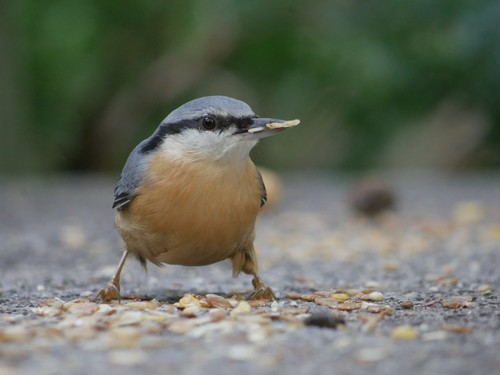 trepadeira-azul
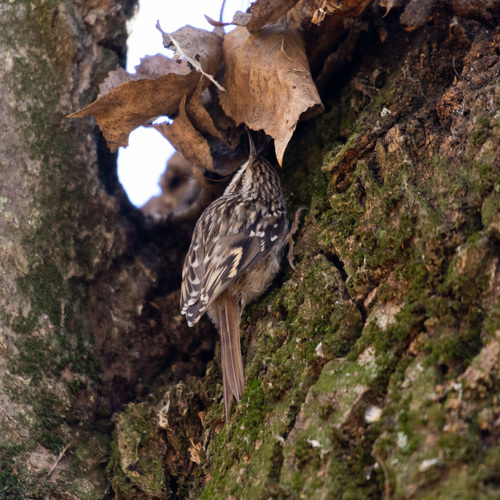 trepadeira-do-sul
Em resumo
The most reliable field mark to separate Eurasian Nuthatch from Short-toed Treecreeper is overall structure and behavior: nuthatches are chunky, blue-grey birds with a bold black eyestripe, short square tails, and they move both up and down trunks, while treecreepers are slim, brown, streaky, with long decurved bills and stiff tails used for support as they only ascend trunks. In flight, nuthatches show pointed heads and round wings, while treecreepers are mouse-like and inconspicuous. Juvenile plumages are not especially distinctive for either species, so focus on body shape, bill, and movement. Both can be found in woodlands, but nuthatches are much heavier and more robust, and treecreepers are much smaller and more cryptic. Calls and songs differ, but are not always diagnostic in the field.
Dicas de identificação
- Structure is key: Nuthatch is chunky, short-tailed, and big-headed; treecreeper is slim, long-tailed, and delicate. This is reliable at all ages and seasons.
- Bill shape: Nuthatch has a long, straight, stout bill; treecreeper's bill is long, thin, and strongly decurved. Bill shape is visible even at a distance.
- Face pattern: Nuthatch shows a bold black eyestripe and clean white or buff throat; treecreeper has a weak, off-white supercilium and no eyestripe.
- Upperparts color: Nuthatch is blue-grey above; treecreeper is intricately streaked brown, black, and buff.
- Underparts: Nuthatch has white or buff underparts with orange flanks; treecreeper is dingy white below, sometimes with a buff belly in juveniles.
- Tail: Nuthatch has a short, square tail; treecreeper's tail is long, stiff, and used for support against the trunk.
- Movement on trees: Nuthatch can move head-first down trunks and along branches; treecreeper always ascends, never head-down.
- Flight jizz: Nuthatch flies fast and direct, with pointed head and round wings; treecreeper's flight is weak and fluttery.
- Juvenile plumage: Both species' juveniles resemble adults, but nuthatch juveniles are paler and duller, while treecreeper juveniles are whiter below.
- Sex differences: Female nuthatches are slightly paler, but this is subtle; treecreeper sexes are similar.
- Habitat clues: In southern Europe and North Africa, treecreeper is more likely in mature deciduous woods; nuthatch is more generalist.
- Vocalizations: Listen for nuthatch's loud 'dwip' vs. treecreeper's shrill 'tyt...tyt.' Calls can be helpful but are not always given.
- Behavioral context: Nuthatch is often seen at feeders or on broad branches; treecreeper is almost always on vertical trunks, blending in.
- Pitfalls: In poor light or at a distance, treecreeper's streaked back may look plain; nuthatch's blue-grey may appear dull. Always check bill and movement.
- Size impression: If both are present, nuthatch will appear much bulkier and heavier than the tiny, mouse-like treecreeper.
Tamanho
Eurasian Nuthatch is substantially larger and heavier (body mass ~23.0 g) than Short-toed Treecreeper (~8.4 g). Nuthatch is about 14 cm long with a 22.5–27 cm wingspan, appearing stocky and robust. In contrast, Short-toed Treecreeper is smaller (12.5 cm), much lighter, and more delicate, with a slim body and longer tail. This size difference is usually obvious when seen side-by-side, but can be masked by posture or distance.
Plumagem
Juvenile and adult plumages are not strongly age-diagnostic for either species in flight or perched views, so focus on overall coloration and pattern. Eurasian Nuthatch of all ages shows blue-grey upperparts, a bold black eyestripe, and white or buff underparts with orange flanks. Females and juveniles are paler and duller but retain the same pattern. Short-toed Treecreeper of all ages is intricately streaked and spotted brown above, with a weak off-white supercilium, dingy white underparts, and a rufous rump. Juveniles are similar but with even whiter underparts and sometimes a buff belly. The nuthatch's strong, clean color blocks and face pattern contrast with the treecreeper's cryptic, streaked appearance.
Comportamento
Eurasian Nuthatch moves with short leaps on trunks and branches, often head-down, and does not use its tail for support. Its movements are bold and direct. Short-toed Treecreeper creeps up trunks in short, mouse-like hops, always ascending, using its stiff tail and splayed feet for support. It is much more inconspicuous, blending into bark, and rarely descends head-first. In flight, nuthatch is fast and direct with wings closed between beats; treecreeper is fluttery and weak.
Habitat
Both species occur in woodlands, but Eurasian Nuthatch is widespread in the Palearctic and uses a variety of wooded habitats. Short-toed Treecreeper is more restricted to warmer, southern European and North African woodlands, especially with deciduous trees and at lower altitudes. Where both occur, nuthatch is more likely in mixed or mature woods, while treecreeper prefers older, undisturbed deciduous stands.
Voz
Eurasian Nuthatch is very vocal, giving a repeated loud 'dwip' call. Short-toed Treecreeper's call is a repeated shrill 'tyt...tyt tyt-tyt' and its song is an evenly spaced sequence of notes 'teet-teet-teet-e-roi-tiit.' Nuthatch's calls are stronger and more piercing; treecreeper's are higher-pitched and softer. However, both can be quiet, and calls may be missed in the field.