

petinha-dos-prados vs petinha-ribeirinha
Anthus pratensis versus Anthus spinoletta
Jogue um quiz com petinha-dos-prados e petinha-ribeirinha
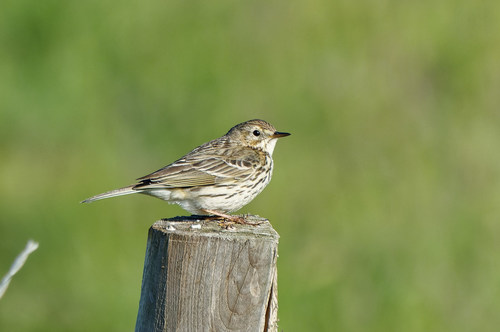 petinha-dos-prados
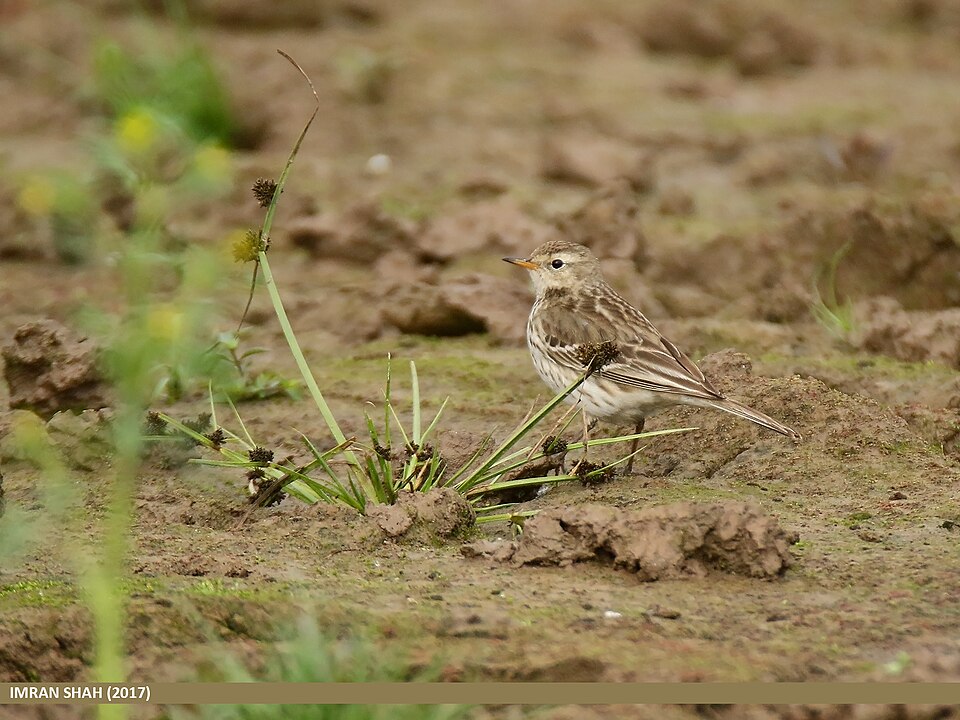 petinha-ribeirinha
Em resumo
A marca de campo mais confiável para separar a petinha-dos-prados da petinha-ribeirinha é a combinação de listras na parte inferior e padrão facial: a petinha-dos-prados apresenta listras fortes e extensas abaixo e um rosto liso, enquanto a petinha-ribeirinha (especialmente na plumagem de reprodução) tem partes inferiores muito mais claras, menos listradas e um supercílio branco ousado. As aves juvenis e de inverno podem ser mais complicadas, mas a petinha-ribeirinha é geralmente de asas e cauda mais longas, com uma cabeça mais cinza e pernas mais escuras. Em voo, ambas mostram penas brancas na cauda externa, mas as da petinha-ribeirinha são brancas mais brilhantes e a ave é maior no geral. Fique atento às mudanças sazonais e à sobreposição em plumagens não reprodutivas, onde a atenção cuidadosa à estrutura e às sutis diferenças de plumagem é fundamental.
Dicas de identificação
- Listras na parte inferior (todas as idades): A petinha-dos-prados sempre mostra listras fortes e extensas no peito e flancos; a petinha-ribeirinha é muito menos listrada, especialmente na plumagem de reprodução, onde as partes inferiores são pálidas com apenas marcas fracas.
- Padrão facial (adultos, especialmente na primavera): A petinha-ribeirinha tem um supercílio branco ousado e cabeça mais cinza, especialmente na plumagem de reprodução. O rosto da petinha-dos-prados é liso e acastanhado, sem um supercílio forte.
- Cor das pernas: A petinha-dos-prados tem pernas pálidas de cor amarelo-rosada; as pernas da petinha-ribeirinha são de marrom escuro a negróide. Isso é frequentemente visível a curta distância.
- Padrão da cauda em voo: Ambas têm penas brancas na cauda externa, mas as da petinha-ribeirinha são brancas mais brilhantes e mais contrastantes. As bordas brancas da petinha-dos-prados são mais estreitas.
- Estrutura: A petinha-ribeirinha é de asas e cauda mais longas, dando uma aparência mais alongada, especialmente quando empoleirada. A petinha-dos-prados é mais compacta com um bico mais fino.
- Tamanho: A petinha-ribeirinha é ligeiramente maior e mais pesada, mas isso é sutil e melhor avaliado com comparação direta ou experiência.
- Cor da parte superior: A petinha-dos-prados é marrom por cima, enquanto a petinha-ribeirinha na plumagem de reprodução é mais cinza por cima com listras menos óbvias.
- Confusão juvenil: A petinha-dos-prados juvenil é muito fortemente listrada abaixo e tem um rosto liso; a petinha-ribeirinha juvenil é mais acastanhada e mais listrada por cima, mas ainda menos listrada abaixo e pode mostrar um supercílio fraco.
- Contexto de habitat: Na época de reprodução, a petinha-ribeirinha está quase sempre em prados úmidos alpinos ou subalpinos; a petinha-dos-prados está em campos de baixa altitude ou charnecas. No inverno, ambas podem estar em baixas terras úmidas, então confie mais na plumagem e estrutura.
- Comportamento: A petinha-ribeirinha é mais cautelosa e se assusta a uma distância maior; a petinha-dos-prados é mais acessível.
- Voo de canto: O voo de canto da petinha-dos-prados é comum e distintivo em campos abertos; a exibição da petinha-ribeirinha é observada com menos frequência.
- Cor do bico: O bico da petinha-dos-prados é mais fino e pálido; o da petinha-ribeirinha é marrom escuro ou negróide.
- Mudanças sazonais: O supercílio da petinha-ribeirinha é mais ousado na primavera; no inverno é menos distinto, mas geralmente presente. O rosto da petinha-dos-prados permanece liso durante todo o ano.
- Diferenças sexuais: Ambas as espécies são semelhantes em ambos os sexos, mas a fêmea da petinha-ribeirinha pode ter uma cabeça mais cinza.
- Armadilhas de sobreposição: No inverno, ambas podem estar em habitats semelhantes e a petinha-ribeirinha é mais listrada por cima, então concentre-se nas listras da parte inferior, supercílio e cor das pernas para uma identificação confiável.
Tamanho
A petinha-ribeirinha é distintamente maior: 15–17 cm e 18,7–23 g, em comparação com a petinha-dos-prados de 14,5–15 cm e 15–22 g [wikipedia][avonet]. A diferença é sutil no campo, mas a petinha-ribeirinha frequentemente parece ter asas e cauda mais longas, com uma aparência mais robusta, especialmente quando empoleirada. A petinha-dos-prados é mais compacta e delicada, com um bico mais fino e uma construção geral mais leve.
Plumagem
-
Juvenil/Primeiro inverno: Ambas as espécies são listradas por cima e por baixo, mas as juvenis da petinha-dos-prados são fortemente listradas nas partes inferiores e têm um rosto liso e acastanhado. As juvenis da petinha-ribeirinha são mais acastanhadas e mais listradas por cima do que os adultos, mas ainda menos listradas abaixo do que a petinha-dos-prados, e mostram um supercílio pálido, mas frequentemente visível.
-
Adulto não reprodutor: A petinha-dos-prados permanece marrom por cima e bege por baixo com listras fortes, especialmente no peito e flancos. A petinha-ribeirinha no inverno é mais listrada por cima, mas as partes inferiores são brancas com apenas marcas marrons claras no peito e flancos. O supercílio é menos distinto do que na plumagem de reprodução, mas geralmente ainda está presente; a cabeça é marrom-cinza.
-
Adulto reprodutor: A petinha-dos-prados é marrom por cima, bege por baixo, com listras pesadas e um rosto liso. A petinha-ribeirinha é mais cinza por cima, com um supercílio branco largo, partes inferiores de rosa-bege pálido que desvanecem para branco na barriga, e apenas listras fracas no peito e flancos. O contraste entre a cabeça cinza e o supercílio branco é frequentemente marcante na petinha-ribeirinha. Ambas as espécies têm penas brancas na cauda externa, mas as da petinha-ribeirinha são brancas mais brilhantes.
Comportamento
Ambas as espécies são terrestres e se alimentam no chão, mas a petinha-ribeirinha é tipicamente encontrada em habitats mais úmidos e abertos e é descrita como mais cautelosa, frequentemente se assustando a distâncias maiores. A petinha-dos-prados é mais acessível e frequentemente vista em campos abertos, charnecas e pastagens. Ambas realizam voos de canto, mas o da petinha-dos-prados é mais comum e distintivo em campos abertos.
Habitat
A petinha-dos-prados se reproduz em campos abertos em grande parte da Palearctica, favorecendo pastagens, charnecas e brejos. A petinha-ribeirinha se reproduz principalmente em áreas montanhosas do sul da Europa e em toda a Palearctica em direção ao leste, preferindo prados alpinos e terrenos úmidos e abertos. No inverno, a petinha-ribeirinha desce para pântanos de baixa altitude, margens de rios e campos úmidos, às vezes se sobrepondo à petinha-dos-prados, que também se move para áreas mais baixas e úmidas no inverno, mas é mais ampla em habitats abertos e secos. A sobreposição é mais provável no inverno ou durante a migração, especialmente em baixas terras úmidas.
Voz
A petinha-dos-prados emite um chamado fraco 'tsi-tsi' e uma canção simples e repetitiva que acelera em direção ao final. Os chamados e a canção da petinha-ribeirinha não são detalhados nas notas fornecidas, mas não são destacados como uma marca de campo primária para separação da petinha-dos-prados. A canção é mais útil para distinguir a petinha-dos-prados da petinha-das-árvores do que da petinha-ribeirinha.
petinha-dos-prados · petinha-ribeirinha · Minhas aves difíceis