

grazina-delicada vs grazina-de-cabeça-branca
Pterodroma mollis versus Pterodroma lessonii
Jogue um quiz com grazina-delicada e grazina-de-cabeça-branca
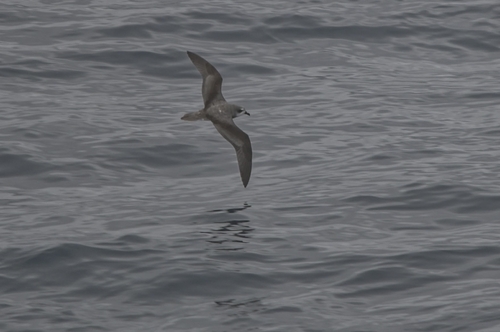 grazina-delicada
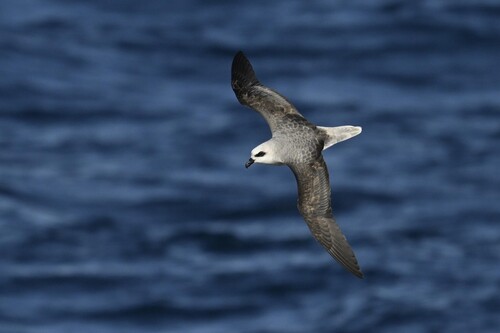 grazina-de-cabeça-branca
Em resumo
A marca de campo mais confiável para separar a grazina-delicada da grazina-de-cabeça-branca é o padrão da cabeça: a grazina-delicada apresenta uma cabeça cinza escura com bochechas e garganta brancas, enquanto a grazina-de-cabeça-branca tem uma cabeça branca pálida e marcante com uma mancha escura ao redor dos olhos. Em voo, ambas têm asas longas e estreitas e caudas pontudas, mas a grazina-de-cabeça-branca é muito mais robusta e possui asas mais longas. A coloração das asas inferiores é semelhante, mas o tamanho geral e o contraste da cabeça são fundamentais. O tamanho e a estrutura do bico também diferem, com a grazina-de-cabeça-branca tendo um bico visivelmente mais robusto. Use essas características em conjunto, especialmente no mar, onde as vistas são breves.
Dicas de identificação
- O padrão da cabeça é fundamental: Observe a cabeça— a grazina-delicada tem uma cabeça cinza escura com bochechas e garganta brancas, enquanto a cabeça da grazina-de-cabeça-branca é pálida e marcante com uma mancha escura ao redor dos olhos. Esta é a marca de campo mais confiável em todas as idades e em todas as plumagens.
- Tamanho e robustez: A grazina-de-cabeça-branca é muito maior e mais pesada (mais de duas vezes a massa), com um corpo mais longo e asas mais largas. Se o pássaro parecer robusto e semelhante a um fulmar, suspeite da grazina-de-cabeça-branca; um pássaro mais delicado e de tamanho médio se encaixa na grazina-delicada.
- Estrutura do bico: A grazina-de-cabeça-branca tem um bico preto notavelmente mais robusto e maior, com um gancho forte. O bico da grazina-delicada é mais fino, embora ambos sejam pretos e com gancho. Isso pode ser visto de perto ou em boas fotos.
- Contraste das partes superiores: A grazina-de-cabeça-branca tem partes superiores cinzas mais claras com um contraste de cinza mais escuro nas asas superiores e na região do rabo. A grazina-delicada é mais uniformemente cinza escura acima, sem um forte contraste.
- Partes inferiores: Ambas são principalmente brancas por baixo, mas isso não é um forte separador. Foque na cabeça e no tamanho.
- Cor das asas inferiores: Ambas as espécies mostram asas inferiores escuras, então isso não é uma marca de campo confiável para separação.
- Formato da cauda: Ambas têm caudas pontudas, mas o corpo e a cauda mais longos da grazina-de-cabeça-branca podem parecer mais pronunciados em voo.
- Cor das pernas: Ambas têm pernas rosadas com preto nos dedos; isso não é uma marca de campo útil na maioria das vistas.
- Estilo de voo: A grazina-de-cabeça-branca pode parecer mais estável e poderosa devido ao seu tamanho, enquanto a grazina-delicada é mais ágil e leve. Use isso apenas como evidência de apoio.
- Vocalizações: A grazina-delicada é barulhenta nas colônias, mas os chamados raramente são ouvidos no mar e não são diagnósticos em campo.
- Habitat: Ambas são pelágicas e se sobrepõem no mar; o habitat de reprodução não é útil para separação em campo.
- Armadilhas: Em luz fraca ou vistas distantes, o padrão da cabeça pode estar obscurecido, tornando o tamanho e a estrutura mais importantes. Cuidado com a morfologia escura da grazina-delicada, que pode parecer ainda mais escura no geral, mas ainda assim carece da cabeça branca da grazina-de-cabeça-branca.
- Estação e idade: Nenhuma diferença forte relacionada à estação ou idade nas marcas de campo é descrita para essas espécies; o padrão da cabeça é confiável durante todo o ano.
- Comparação direta: Se ambas as espécies estiverem presentes, o tamanho e o contraste da cabeça devem ser óbvios. Se apenas uma for vista, use uma combinação de padrão da cabeça, tamanho e estrutura do bico para melhores resultados.
- Quando em dúvida: Se a cabeça for branca pálida e o pássaro for grande, é a grazina-de-cabeça-branca. Se a cabeça for cinza escura com bochechas brancas e o pássaro for de tamanho médio, é a grazina-delicada.
Tamanho
A grazina-de-cabeça-branca é significativamente maior e mais pesada que a grazina-delicada (cerca de 708g contra 300g [wikidata]). Essa diferença de tamanho é aparente em comparação direta ou quando vista ao lado de outras aves marinhas: a grazina-de-cabeça-branca parece mais robusta, com um corpo mais longo (cerca de 400 mm de comprimento [wikipedia]) e asas mais largas. A grazina-delicada é de tamanho médio para um Pterodroma, notavelmente mais leve e mais delicada em construção. Se você ver uma grazina com uma aparência robusta, quase semelhante a um fulmar, suspeite da grazina-de-cabeça-branca; um pássaro mais gracioso e leve se encaixa na grazina-delicada.
Plumagem
- Padrão da asa superior juvenil/imatura: Nenhum padrão específico relacionado à idade é descrito para as asas superiores de ambas as espécies nessas fontes, então foque na plumagem da cabeça e do corpo para todas as idades.
- Padrão da cabeça: A grazina-delicada apresenta uma cabeça cinza escura com bochechas e garganta brancas proeminentes, além de manchas brancas na testa e uma mancha escura ao redor dos olhos. A grazina-de-cabeça-branca tem uma cabeça muito mais pálida, quase totalmente branca, com uma mancha escura ao redor dos olhos—essa cabeça pálida é a característica mais marcante em todas as idades.
- Partes superiores: Ambas têm partes superiores cinzas, mas as da grazina-de-cabeça-branca são mais claras no geral, com um contraste de cinza mais escuro nas asas superiores e na região do rabo. A grazina-delicada é cinza escura acima, sem o mesmo contraste.
- Partes inferiores: Ambas as espécies são principalmente brancas por baixo, mas a grazina-delicada tem asas inferiores cinzas escuras, enquanto a cor das asas inferiores da grazina-de-cabeça-branca não é especificamente descrita como diferente—espere que ambas mostrem asas inferiores escuras, então isso não é um separador forte.
- Bico e pernas: Ambas têm bicos pretos, mas o da grazina-de-cabeça-branca é mais robusto e maior. A cor das pernas é semelhante (rosada com preto nos dedos), então não é útil em campo.
- Cauda: Ambas têm caudas pontudas, mas o corpo e a cauda mais longos da grazina-de-cabeça-branca podem parecer mais pronunciados.
Comportamento
Ambas as espécies usam um voo dinâmico semelhante, típico dos petrels do gênero Pterodroma, com longas planadas e curvas rápidas. A grazina-de-cabeça-branca, sendo maior e mais pesada, pode parecer mais estável e poderosa em voo, enquanto a grazina-delicada é mais ágil e leve. Ambas são pelágicas e raramente vistas em terra, exceto em colônias de reprodução. Nenhuma diferença comportamental forte é notada nessas fontes.
Habitat
Ambas as espécies são pelágicas fora da estação de reprodução, abrangendo amplamente os oceanos do sul. A grazina-de-cabeça-branca se reproduz em tocas em ilhas subantárticas (Ilhas Antípodas e Auckland), frequentemente entre gramíneas e campos de ervas. A grazina-delicada também se reproduz em ilhas remotas, mas o habitat no mar não é um separador confiável. No mar, ambas podem ser encontradas longe da terra, então o habitat não é diagnóstico para separação em campo.
Voz
A grazina-delicada é descrita como barulhenta, com gemidos de tom médio e gritos agudos. Nenhuma descrição vocal específica é fornecida para a grazina-de-cabeça-branca nessas fontes. No mar, as vocalizações raramente são ouvidas, então isso não é uma marca de campo prática.
grazina-delicada · grazina-de-cabeça-branca · Minhas aves difíceis