
Common Reed Bunting vs Rustic Bunting
Emberiza schoeniclus versus Emberiza rustica
Play a quiz with Common Reed Bunting and Rustic Bunting
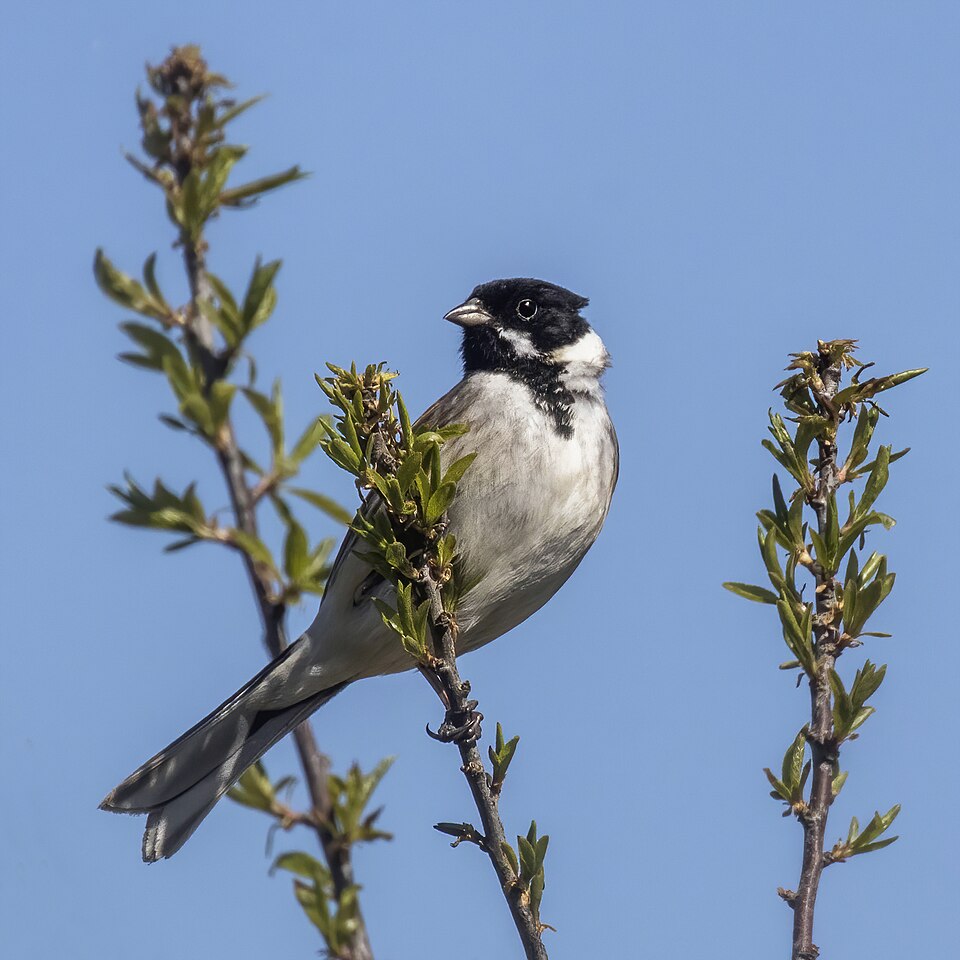 Common Reed Bunting
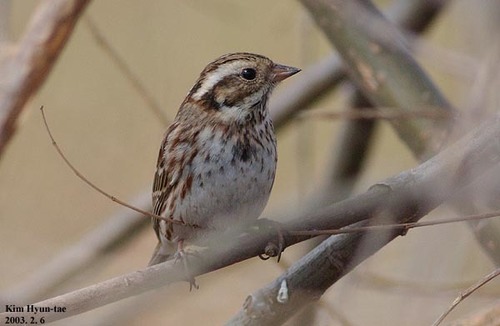 Rustic Bunting
In short
The most reliable way to separate Common Reed Bunting from Rustic Bunting is by focusing on head and face pattern, especially in females and non-breeding birds, and by checking for the presence of reddish flank streaks and a pink lower mandible in Rustic. Both species are similar in size and shape, but Rustic Bunting shows a more contrasting face pattern and reddish tones on the flanks, while Common Reed Bunting is plainer and lacks reddish coloration. Males in breeding plumage are easier to separate, but females and immatures require careful attention to subtle plumage and bill color differences. Habitat and range can also provide strong clues, as Rustic is a rare vagrant in Western Europe.
Identification tips
- Reddish flank streaks (Rustic only): Look for reddish or chestnut streaks along the flanks—present in both sexes and all ages of Rustic Bunting, absent in Common Reed Bunting.
- Pink lower mandible (Rustic): Rustic Bunting has a distinctly pink lower mandible, especially obvious in females and immatures; Common Reed Bunting's bill is more uniformly grey or horn-colored.
- Head pattern in females/immatures: Female/immature Rustic Bunting shows a bold whitish supercilium and a chestnut nape, while Common Reed Bunting is plainer with a streaked brown head and less contrast.
- Adult male breeding plumage: Male Common Reed Bunting has a black head and throat with a white collar and underparts; Rustic Bunting male also has a black head but adds a white supercilium, white throat, reddish breast band, and reddish flanks.
- Back pattern: Both species have streaked brown backs, but Rustic Bunting's is often more crisply marked and may show a warmer, chestnut tone, especially in the nape.
- Underpart streaking: Reed Bunting females are heavily streaked below, but lack the reddish tones of Rustic Bunting.
- Bill shape and color: Both have seed-eating bills, but Rustic Bunting's pink lower mandible is a subtle but reliable field mark.
- Habitat context: Reed Bunting is common in reedbeds and marshes; Rustic Bunting is a rare vagrant in Western Europe and prefers woodland edge or taiga when breeding.
- Voice: If heard, Rustic's song is more melodic and thrush-like; Reed Bunting's song is a simple, repetitive 'srip'.
- Geographic likelihood: In Western Europe, almost all buntings in reedbeds are Common Reed Bunting; Rustic is exceptional and should be scrutinized carefully.
- Seasonal context: Rustic Bunting is only likely in Western Europe as a migrant or winter vagrant; Reed Bunting is resident or a regular migrant.
- Perched vs. in flight: No diagnostic flight or upperwing pattern differences are described; focus on perched birds for reliable separation.
- Supercilium: Rustic Bunting's supercilium is broader and whiter than on Reed Bunting, especially in females and immatures.
- Nape color: Rustic Bunting shows a chestnut nape, which Reed Bunting lacks.
- Pitfall: Female and immature Reed Buntings can appear quite pale and may show a weak supercilium, but will not have reddish flanks or a pink bill base.
Size
Both species are very similar in size, with Common Reed Bunting measuring 13.5–15.5 cm in length and weighing 10–28 g [wikipedia]. Rustic Bunting is described as similar in size to Reed Bunting [wikipedia]. There are no significant structural differences in body size or proportions that are reliable for field separation.
Plumage
For adult males in summer, Common Reed Bunting has a black head and throat, white collar and underparts, and a heavily streaked brown back. Rustic Bunting males also have a black head, but add a white throat, a bold white supercilium, a reddish breast band, and reddish streaks on the flanks. Females and immatures are trickier: both are brown and streaky, but Rustic Bunting females show a more distinct whitish supercilium, a chestnut nape, reddish flank streaks, and a pink lower mandible, while Common Reed Bunting females are plainer, with a streaked brown head and more uniform barring below. The reddish flank streaks and pinkish bill base are key for Rustic, especially in non-breeding plumages. No distinctive age-specific upperwing or flight pattern differences are described in the sources.
Behaviour
Both species are typical buntings in behavior, often seen perched on reeds or low shrubs and feeding on seeds. There are no diagnostic behavioral differences noted in the sources. Both can be secretive in dense cover, but Rustic Bunting may be more likely to be found in woodland edge or taiga habitat, especially away from reeds.
Habitat
Common Reed Bunting is widespread across Europe and the Palearctic, breeding in reedbeds, marshes, and wet grasslands [wikipedia]. Rustic Bunting breeds in wet coniferous woodland and taiga across northern Eurasia and is a rare vagrant to Western Europe [wikipedia]. In Western Europe, finding a Rustic Bunting in typical Reed Bunting habitat (reeds, marshes) would be very unusual; Rustic is more likely in woodland edge, especially during migration or as a vagrant.
Voice
Common Reed Bunting's song is a repetitive 'srip', while Rustic Bunting's song is described as a melancholic 'delee-deloo-delee' and its call is a 'zit', somewhat like a Song Thrush [wikipedia]. These vocalizations are quite different, but Rustic Bunting is rare and may not sing on passage or as a vagrant, so voice is not always available for separation.