
Lizard Buzzard vs Red-necked Buzzard
Kaupifalco monogrammicus versus Buteo auguralis
Play a quiz with Lizard Buzzard and Red-necked Buzzard
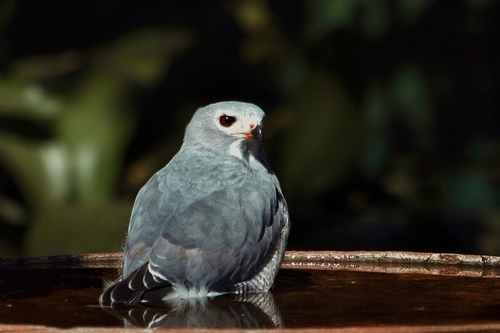 Lizard Buzzard
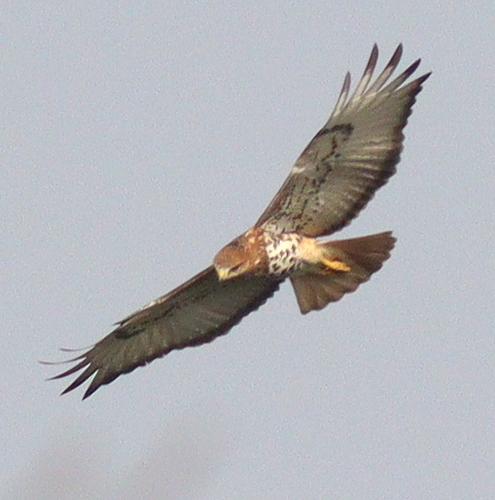 Red-necked Buzzard
In short
The most reliable field mark to separate Lizard Buzzard from Red-necked Buzzard is the bold, vertical black line running down the white throat of the Lizard Buzzard—unique among African raptors and visible on both perched and flying birds of all ages. Red-necked Buzzard, in contrast, shows a rufous neck and crown with a dark throat patch, lacking any vertical line. Juvenile plumages differ as well: young Lizard Buzzards closely resemble adults but with a brownish tinge and orange-yellow bare parts, while juvenile Red-necked Buzzards are browner above and have creamy, not white, underparts and lack the dark throat. In flight, Lizard Buzzard’s underwings are white with dark tips, while Red-necked Buzzard’s flight pattern and underwing contrast are less distinctive. Structurally, Lizard Buzzard is smaller, stockier, and has shorter, more pointed wings, while Red-necked Buzzard is bulkier with broader wings and a rufous tail. Careful attention to throat pattern, wing shape, and overall size will resolve most confusion.
Identification tips
- Throat Pattern (All Ages): Lizard Buzzard always shows a sharp, vertical black line down the center of a white throat—this is unique and diagnostic. Red-necked Buzzard never shows this line; instead, adults have a dark throat patch and rufous neck/crown.
- Neck and Crown Color (Adults): Red-necked Buzzard has a rich rufous neck, crown, and upper back, contrasting with blackish upperparts. Lizard Buzzard’s head and neck are uniform grey with no rufous.
- Underparts (Adults): Lizard Buzzard has white underparts with fine dark barring on the belly; Red-necked Buzzard’s underparts are mainly white, but with a dark throat patch and dark blotches along the flanks.
- Juvenile Plumage: Juvenile Lizard Buzzards look like adults but with a brownish tinge to the wings and orange-yellow cere/legs. Juvenile Red-necked Buzzards are browner above, have creamy underparts, and lack the dark throat patch—never show a vertical throat line.
- Underwing Pattern (Flight, All Ages): Lizard Buzzard’s underwings are white with dark tips, creating a crisp contrast in flight. Red-necked Buzzard’s underwing is less sharply marked and lacks this clean white/dark tip contrast.
- Tail Pattern: Lizard Buzzard’s tail is black with a single white band and white tip. Red-necked Buzzard’s tail is rufous with a black subterminal bar—this rufous color is visible both perched and in flight.
- Size and Structure: Lizard Buzzard is smaller, stockier, and more compact, with shorter, pointed wings—flight is rapid and undulating. Red-necked Buzzard is larger, bulkier, with broader wings and a slower, more soaring flight style.
- Flight Style: Lizard Buzzard’s flight is thrush-like and undulating, rarely soars except during courtship. Red-necked Buzzard is more likely to soar, especially in open country.
- Bill and Bare Parts: Lizard Buzzard has red to orange-red cere and legs (adults), orange-yellow in juveniles. Red-necked Buzzard’s bare part color is not specified here, but it does not show the same bright red/orange tones.
- Habitat Preference: Lizard Buzzard prefers dense woodland and forest edge; Red-necked Buzzard is more often in open or partially open country.
- Voice: Only Lizard Buzzard’s call is described—a clear, melodious whistle in breeding season. If heard, this can confirm ID, but both species are generally silent.
- Perching Behavior: Lizard Buzzard hunts from low perches (6–10 m), often in denser vegetation. Red-necked Buzzard’s hunting behavior is less detailed but is likely to be seen in more open settings.
- Pitfalls: Immature Red-necked Buzzards may appear paler below, but will never show the vertical throat line of Lizard Buzzard. Lizard Buzzard juveniles may look browner, but always retain the black throat line.
- Seasonal Movement: Red-necked Buzzard can be a partial migrant, especially in the north of its range; Lizard Buzzard is locally resident.
- When in Doubt: Focus first on the throat pattern (vertical black line vs. dark patch or plain), then check for rufous tones on the neck/crown and tail color. Structure and size will help in poor light or distant views.
Size
Lizard Buzzard is a noticeably smaller and stockier raptor (average body mass ~275.5g, length 35–37 cm, wingspan ~79 cm), with a compact, thrush-like jizz. Red-necked Buzzard is larger and more robust, with a bulkier build and broader wings. While exact mass for Red-necked Buzzard is not provided, it is consistently described as medium-sized and heavier than Lizard Buzzard. In direct comparison, Lizard Buzzard will appear more compact and agile, especially in flight.
Plumage
Juvenile and adult Lizard Buzzards both show a grey head and upperparts, white underparts with fine dark barring, and a diagnostic vertical black line down the white throat. The underwings are white with dark tips, and the tail is black with a single white band and white tip. Juveniles are very similar to adults but have a slight brownish tinge to the wings and orange-yellow cere and legs. Red-necked Buzzard adults have a striking rufous neck, crown, and upper back, with the rest of the upperparts blackish and a rufous tail with a black subterminal bar. Underparts are mainly white with a dark throat and dark flank blotches. Juveniles are browner above, have creamy (not white) underparts, and lack the dark throat patch. The vertical throat line of Lizard Buzzard is never present in Red-necked Buzzard, which instead shows a broader, dark patch on the throat in adults. In flight, Lizard Buzzard’s underwing is clean white with dark tips, while Red-necked Buzzard’s underwing pattern is less sharply marked.
Behaviour
Lizard Buzzard is typically solitary, silent outside the breeding season, and hunts by perching low (6–10 m) and swooping onto prey in dense vegetation—its flight is rapid and undulating, with little soaring except during courtship. Red-necked Buzzard, while less detailed in the notes, is a partial migrant and likely soars more frequently, especially in open habitats. Lizard Buzzard’s flight is more thrush-like and rapid, while Red-necked Buzzard has a slower, broader-winged flight typical of Buteo buzzards.
Habitat
Lizard Buzzard prefers woodland and forest edge habitats, often hunting in areas with dense cover. Its adaptation to human-altered landscapes is unclear, but it tends to avoid open savanna. Red-necked Buzzard is found across a broad band of western and central Africa, frequenting more open habitats, including savanna and forest edge, and is more likely to be seen in partially open country. Overlap may occur at woodland edges, but Lizard Buzzard is more strictly tied to denser vegetation.
Voice
Lizard Buzzard is generally silent except for a clear, melodious whistle (klu-klu-klu) in the early breeding season. No vocalization details are provided for Red-necked Buzzard in these notes, so voice is not a reliable separator unless the Lizard Buzzard’s whistle is heard.