
Motmot

Ring-necked Dove vs Dideric Cuckoo

Streptopelia capicola versus Chrysococcyx caprius

Play a quiz with Ring-necked Dove and Dideric Cuckoo
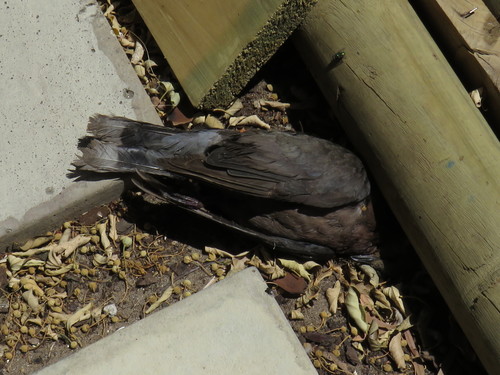
Ring-necked Dove (Streptopelia capicola) Ring-necked Dove
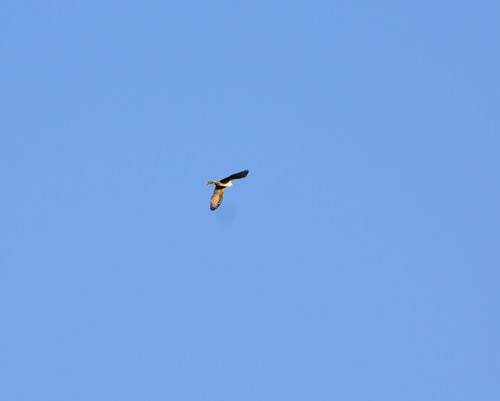
Dideric Cuckoo (Chrysococcyx caprius) Dideric Cuckoo

Media

Loading…

In short

The most reliable way to separate Ring-necked Dove from Dideric Cuckoo is by size and structure: the dove is much bulkier and longer-tailed, while the cuckoo is small, slender, and noticeably glossy green above. Juvenile Dideric Cuckoos show a white wing-bar and a red bill, which are never present in the dove. In all ages, the dove has a pale belly and a distinctive black neck semi-collar (missing in juveniles), while the cuckoo has a broken white eye-stripe and white-spotted green tail. In flight, the dove shows conspicuous white tail tips and a loud wing clatter, while the cuckoo's flight is more direct and less noisy. Vocalizations are completely different: the dove gives a rhythmic three-syllable croon, the cuckoo a rapid 'deed-deed-deed-deed-er-ick' call.

Identification tips

  1. Size and bulk: Ring-necked Dove is much larger and heavier than Dideric Cuckoo; use this as your first check, especially if both are seen in the same area.
  2. Structure: Doves are robust with broad wings and a long, rounded tail; cuckoos are slim, with a finer bill and shorter, more squared tail.
  3. Juvenile wing pattern: Juvenile Dideric Cuckoo shows a white wing-bar and red bill—never present in any age of dove. Juvenile doves are just duller versions of adults, with buffy edges to upperparts and no wing-bar.
  4. Tail pattern in flight: Ring-necked Dove has a broad white tip and white fringes to the slate-grey tail, conspicuous in flight and display. Dideric Cuckoo's tail is green with white spots and tips, but never a broad white terminal band.
  5. Neck collar: Adult Ring-necked Dove has a black half-collar on the hind neck; absent in juveniles, but no cuckoo of any age shows this mark.
  6. Upperpart color: Doves are dull grey-brown above with lavender nape; Dideric Cuckoo is glossy green (with coppery areas), especially in males and females, and coppery brown above in juveniles.
  7. Underparts: Doves are pale below with a pinkish or lavender wash and white lower belly/crissum; cuckoos are white below (adults) or brownish (juveniles/females), sometimes with coppery barring on the flanks.
  8. Facial markings: Dideric Cuckoo has a broken white eye-stripe and short green malar stripe, never seen in doves.
  9. Bill color: Cuckoo juveniles have a red bill; doves always have a black bill.
  10. Eye color: Doves have almost black eyes; cuckoo eye color is not diagnostic here, but red-eyed dove confusion is possible with other species.
  11. Flight style: Dove flight is strong, noisy (wing clatter), with broad wings and fanned tail; cuckoo flight is lighter, more direct, and silent.
  12. Flocking: Doves may be seen in large, noisy groups; cuckoos are always solitary.
  13. Vocalization: Dove's deep, rhythmic three-syllable croon is very different from the cuckoo's rapid 'deed-deed-deed-deed-er-ick' call. Use voice if the bird is calling.
  14. Habitat context: Doves are common in open country, gardens, and farmland; cuckoos are more likely near weaver or bishop colonies in open woodland or riverside bush, and are less urban.
  15. Seasonality: Dideric Cuckoo is a short-distance migrant, often appearing with the rains; Ring-necked Dove is present year-round.

Size

Ring-necked Dove is substantially larger and heavier (body mass ~153.5g) than Dideric Cuckoo (~33g). The dove measures 25–26.5 cm in length, with a robust build, broad wings, and a long, rounded tail. The cuckoo is much smaller at 18–20 cm, with a slim, delicate structure, shorter tail, and finer bill. Even at a distance, the dove's bulk and larger silhouette are obvious compared to the slight, agile cuckoo.

Plumage

Juvenile Dideric Cuckoo is distinctive: it has a red bill, a streaky throat, a white wing-bar, and is more coppery above and browner below than adult females, with brown blotches on the flanks. No Ring-necked Dove of any age shows a white wing-bar or red bill. Juvenile doves are duller than adults, lacking the black neck semi-collar and showing buff edges to upperparts and wing coverts, with underparts broadly edged greyish-white. Adult Ring-necked Doves are greyish-brown above with lavender on the nape, paler below with a pinkish wash, and have a black half-collar on the hind neck (absent in juveniles). Their tail is slate grey with conspicuous white tips and fringes, especially visible in flight. Adult Dideric Cuckoos are glossy green above (with coppery areas), white below, with a broken white eye-stripe, short green malar stripe, and white spots on the remiges and outer tail. Females are more coppery above and have coppery barring on the flanks. The cuckoo's tail is green with white tips and spots, never the broad white terminal band of the dove.

Behaviour

Ring-necked Doves are usually seen alone or in pairs, but may form large, noisy flocks at water or roosts, often with a loud wing clatter on takeoff. Their flight is strong, with broad, rounded wings and a fanned tail, especially during display. Dideric Cuckoo is solitary, secretive, and more arboreal, moving through open woodland and bushes with quick, direct flights. The cuckoo does not flock and is rarely seen in groups. Its flight is lighter and more agile, without the dove's noisy wingbeats.

Habitat

Both species occur in open habitats, but Ring-necked Dove is widespread and abundant in a variety of open country across East and southern Africa, including gardens, farmland, and savanna. Dideric Cuckoo is also found in open woodland, savanna, and riverside bushes, but is more closely tied to areas with weaver and bishop nests (its brood hosts), and is less likely to be seen in urban or highly open, treeless areas. The cuckoo is a short-distance migrant, moving with the rains, while the dove is mostly sedentary.

Voice

Ring-necked Dove gives a deep, rhythmic three-syllable croon, often rendered as 'uk-carrroooo', repeated at length and familiar throughout its range. Dideric Cuckoo has a rapid, high-pitched call: four clear, identical 'deed' notes followed by a twittering 'er-ick', giving the species its name. The dove's call is mellow and far-carrying; the cuckoo's is sharper, more insistent, and easily distinguished once learned.

Submit a better description

Use the same sections as the comparison. Your text is published immediately.

The most reliable way to separate Ring-necked Dove from Dideric Cuckoo is by size and structure: the dove is much bulkier and longer-tailed, while the cuckoo is small, slender, and noticeably glossy green above. Juvenile Dideric Cuckoos show a white wing-bar and a red bill, which are never present in the dove. In all ages, the dove has a pale belly and a distinctive black neck semi-collar (missing in juveniles), while the cuckoo has a broken white eye-stripe and white-spotted green tail. In flight, the dove shows conspicuous white tail tips and a loud wing clatter, while the cuckoo's flight is more direct and less noisy. Vocalizations are completely different: the dove gives a rhythmic three-syllable croon, the cuckoo a rapid 'deed-deed-deed-deed-er-ick' call.

  1. Size and bulk: Ring-necked Dove is much larger and heavier than Dideric Cuckoo; use this as your first check, especially if both are seen in the same area.
  2. Structure: Doves are robust with broad wings and a long, rounded tail; cuckoos are slim, with a finer bill and shorter, more squared tail.
  3. Juvenile wing pattern: Juvenile Dideric Cuckoo shows a white wing-bar and red bill—never present in any age of dove. Juvenile doves are just duller versions of adults, with buffy edges to upperparts and no wing-bar.
  4. Tail pattern in flight: Ring-necked Dove has a broad white tip and white fringes to the slate-grey tail, conspicuous in flight and display. Dideric Cuckoo's tail is green with white spots and tips, but never a broad white terminal band.
  5. Neck collar: Adult Ring-necked Dove has a black half-collar on the hind neck; absent in juveniles, but no cuckoo of any age shows this mark.
  6. Upperpart color: Doves are dull grey-brown above with lavender nape; Dideric Cuckoo is glossy green (with coppery areas), especially in males and females, and coppery brown above in juveniles.
  7. Underparts: Doves are pale below with a pinkish or lavender wash and white lower belly/crissum; cuckoos are white below (adults) or brownish (juveniles/females), sometimes with coppery barring on the flanks.
  8. Facial markings: Dideric Cuckoo has a broken white eye-stripe and short green malar stripe, never seen in doves.
  9. Bill color: Cuckoo juveniles have a red bill; doves always have a black bill.
  10. Eye color: Doves have almost black eyes; cuckoo eye color is not diagnostic here, but red-eyed dove confusion is possible with other species.
  11. Flight style: Dove flight is strong, noisy (wing clatter), with broad wings and fanned tail; cuckoo flight is lighter, more direct, and silent.
  12. Flocking: Doves may be seen in large, noisy groups; cuckoos are always solitary.
  13. Vocalization: Dove's deep, rhythmic three-syllable croon is very different from the cuckoo's rapid 'deed-deed-deed-deed-er-ick' call. Use voice if the bird is calling.
  14. Habitat context: Doves are common in open country, gardens, and farmland; cuckoos are more likely near weaver or bishop colonies in open woodland or riverside bush, and are less urban.
  15. Seasonality: Dideric Cuckoo is a short-distance migrant, often appearing with the rains; Ring-necked Dove is present year-round.

Ring-necked Dove is substantially larger and heavier (body mass ~153.5g) than Dideric Cuckoo (~33g). The dove measures 25–26.5 cm in length, with a robust build, broad wings, and a long, rounded tail. The cuckoo is much smaller at 18–20 cm, with a slim, delicate structure, shorter tail, and finer bill. Even at a distance, the dove's bulk and larger silhouette are obvious compared to the slight, agile cuckoo.

Juvenile Dideric Cuckoo is distinctive: it has a red bill, a streaky throat, a white wing-bar, and is more coppery above and browner below than adult females, with brown blotches on the flanks. No Ring-necked Dove of any age shows a white wing-bar or red bill. Juvenile doves are duller than adults, lacking the black neck semi-collar and showing buff edges to upperparts and wing coverts, with underparts broadly edged greyish-white. Adult Ring-necked Doves are greyish-brown above with lavender on the nape, paler below with a pinkish wash, and have a black half-collar on the hind neck (absent in juveniles). Their tail is slate grey with conspicuous white tips and fringes, especially visible in flight. Adult Dideric Cuckoos are glossy green above (with coppery areas), white below, with a broken white eye-stripe, short green malar stripe, and white spots on the remiges and outer tail. Females are more coppery above and have coppery barring on the flanks. The cuckoo's tail is green with white tips and spots, never the broad white terminal band of the dove.

Ring-necked Doves are usually seen alone or in pairs, but may form large, noisy flocks at water or roosts, often with a loud wing clatter on takeoff. Their flight is strong, with broad, rounded wings and a fanned tail, especially during display. Dideric Cuckoo is solitary, secretive, and more arboreal, moving through open woodland and bushes with quick, direct flights. The cuckoo does not flock and is rarely seen in groups. Its flight is lighter and more agile, without the dove's noisy wingbeats.

Both species occur in open habitats, but Ring-necked Dove is widespread and abundant in a variety of open country across East and southern Africa, including gardens, farmland, and savanna. Dideric Cuckoo is also found in open woodland, savanna, and riverside bushes, but is more closely tied to areas with weaver and bishop nests (its brood hosts), and is less likely to be seen in urban or highly open, treeless areas. The cuckoo is a short-distance migrant, moving with the rains, while the dove is mostly sedentary.

Ring-necked Dove gives a deep, rhythmic three-syllable croon, often rendered as 'uk-carrroooo', repeated at length and familiar throughout its range. Dideric Cuckoo has a rapid, high-pitched call: four clear, identical 'deed' notes followed by a twittering 'er-ick', giving the species its name. The dove's call is mellow and far-carrying; the cuckoo's is sharper, more insistent, and easily distinguished once learned.

Discard your changes?

You have unsaved edits. If you leave now, those changes will be lost.

Ring-necked Dove · Dideric Cuckoo · My Tricky Birds