

Andarríos Chico vs Andarríos Bastardo
Actitis hypoleucos frente a Tringa glareola
Juega un quiz con Andarríos Chico y Andarríos Bastardo
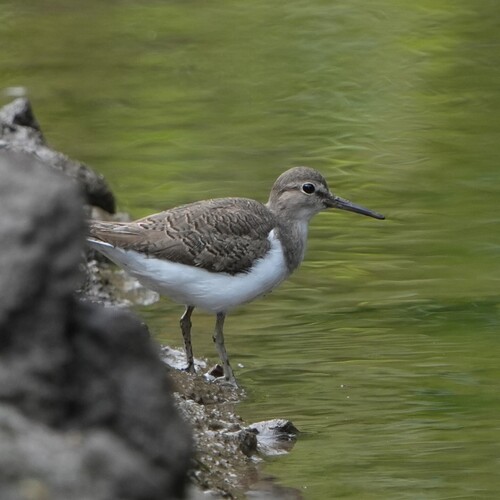 Andarríos Chico
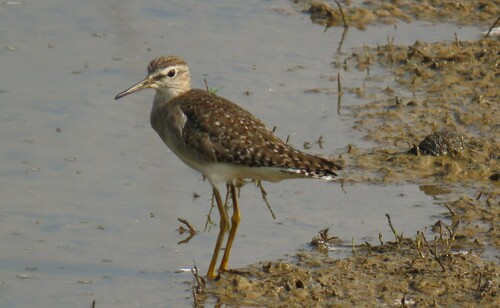 Andarríos Bastardo
En breve
La marca de campo más confiable para separar el Andarríos Chico del Andarríos Bastardo es la longitud y estructura de las patas: el Andarríos Chico tiene patas cortas, de color amarillo oscuro, y una apariencia compacta y baja, mientras que el Andarríos Bastardo tiene patas notablemente más largas y una postura más erguida, con patas de un amarillo más brillante. En vuelo, los Andarríos Chicos juveniles muestran un patrón de barrado nítido y plumas de ala con bordes color canela, mientras que los Andarríos Bastardos carecen de un barrado tan fuerte. Ambas especies tienen partes superiores marrones y partes inferiores blancas, pero la forma general, el color de las patas y la postura son clave. Observa el estilo de vuelo distintivo del Andarríos Chico, que es bajo y con alas rígidas, en comparación con el vuelo más ligero y erguido del Andarríos Bastardo.
Consejos de identificación
- Longitud y color de las patas: El Andarríos Chico tiene patas cortas, de color amarillo oscuro; el Andarríos Bastardo tiene patas mucho más largas y de un amarillo más brillante. Esta es la forma más rápida de separarlos en cualquier edad o estación.
- Estructura y postura: El Andarríos Chico parece compacto, bajo y encorvado, a menudo con su cuerpo cerca del suelo. El Andarríos Bastardo se mantiene más alto y erguido, con una construcción delicada y similar a un espinazo.
- Estilo de vuelo: El Andarríos Chico vuela bajo sobre el agua con aleteos rígidos y superficiales; el Andarríos Bastardo tiene un vuelo más ligero y similar a un espinazo, con patas más largas que cuelgan detrás.
- Patrón de alas juveniles: Los Andarríos Chicos juveniles muestran un barrado nítido y plumas de ala con bordes color canela arriba, especialmente notables en vuelo o a corta distancia. Los juveniles de Andarríos Bastardo carecen de este barrado fuerte; sus partes superiores están moteadas de manera más difusa.
- Patrón de alas de adultos: En vuelo, el Andarríos Chico muestra un patrón de alas más nítido y contrastante que el Andarríos Bastardo, aunque esto es sutil y se ve mejor a corta distancia.
- Forma del pico: Ambos tienen un pico de base pálida y punta oscura, pero el del Andarríos Bastardo es más fino y ligeramente más largo en relación con el tamaño de la cabeza. Esta es una marca de apoyo, no primaria.
- Marcas en el pecho: El Andarríos Bastardo tiene manchas marrones más pequeñas y difusas en el pecho y el cuello, mientras que las partes inferiores del Andarríos Chico son blancas limpias con pocas o ninguna mancha.
- Movimiento de la cola: El Andarríos Chico frecuentemente mueve su cola hacia arriba y abajo y empuja su cabeza mientras busca alimento; el Andarríos Bastardo es menos animado de esta manera.
- Preferencia de hábitat: Si se ve en un sitio de agua dulce vegetado y pantanoso, especialmente lejos de la costa, es más probable que sea un Andarríos Bastardo. A lo largo de riberas rocosas o fangosas y bordes de lagos, especialmente en aves solitarias, se espera más un Andarríos Chico.
- Comportamiento en grupo: El Andarríos Chico suele estar solo o en pequeños grupos, rara vez se une a bandadas mixtas. El Andarríos Bastardo puede verse con otros limícolas en hábitats húmedos adecuados.
- Color de las patas en poca luz: En condiciones oscuras o fangosas, las patas del Andarríos Bastardo pueden parecer menos brillantes, pero su longitud sigue siendo distintiva en comparación con las patas cortas del Andarríos Chico.
- Confusión en plumaje no reproductivo: Ambas especies se vuelven más apagadas en invierno, pero las diferencias estructurales (longitud de las patas, postura) aún las separan de manera confiable.
- Impresión de tamaño: El Andarríos Bastardo es ligeramente más pesado y parece más delicado y alto; el Andarríos Chico es más pequeño, más robusto y más bajo al suelo.
- Voz: No es diagnóstica según las notas proporcionadas; confíe en la estructura y plumaje en su lugar.
- Trampa: No confíe únicamente en el color de las partes superiores, ya que ambos pueden parecer marrones en poca luz; concéntrese en la longitud de las patas, la postura y el estilo de vuelo para una identificación confiable.
Tamaño
El Andarríos Bastardo es más pesado (masa corporal de aproximadamente 67.5 g [wikidata]) y parece más delicado y de patas más largas que el Andarríos Chico, que es ligeramente más pequeño y más compacto (longitud adulta de 18–20 cm, envergadura de 32–35 cm [wikipedia]). El Andarríos Bastardo es el más pequeño de los espinazos, pero aún parece más alto y con más patas que el Andarríos Chico, que es bajo y compacto.
Plumaje
- Aves juveniles/inmaduras: Los juveniles de Andarríos Chico están fuertemente barrados arriba con bordes color canela en las plumas de las alas, creando un aspecto nítido y con patrón en vuelo o en reposo. Los juveniles de Andarríos Bastardo no muestran un barrado tan fuerte; sus partes superiores son marrones con algo de moteado más oscuro, y su pecho y cuello tienen manchas marrones difusas en lugar de barras nítidas.
- Adultos: Ambas especies tienen partes superiores marrones y partes inferiores blancas, pero las partes superiores del Andarríos Chico son de un marrón más grisáceo, y su patrón de alas en vuelo es más nítido. Los adultos de Andarríos Bastardo tienen una espalda de color marrón claro más apagado con marcas más pequeñas y menos contrastantes. En invierno, el Andarríos Chico se vuelve más apagado con un barrado de alas más visible a corta distancia, pero esto sigue siendo más distintivo que en el Andarríos Bastardo.
- Patas: Las patas del Andarríos Chico son cortas y de color amarillo oscuro; las del Andarríos Bastardo son más largas y de un amarillo más brillante.
- Pico: Ambos tienen un pico de base pálida y punta oscura, pero el del Andarríos Bastardo es más fino y ligeramente más largo en relación con el tamaño de la cabeza.
Comportamiento
El Andarríos Chico suele ser solitario o estar en pequeños grupos, rara vez se une a bandadas mixtas. Busca alimento con un movimiento distintivo de bobbing de cola y a menudo mueve su cola y empuja su cabeza mientras camina. Su vuelo es rígido y bajo sobre el agua, abrazando la superficie. El Andarríos Bastardo busca alimento en agua poco profunda o barro, sondeando con su pico, y parece más ligero y erguido, tanto al alimentarse como en vuelo. El vuelo del Andarríos Bastardo es más típico de los espinazos, con patas más largas que cuelgan y un aleteo menos rígido.
Hábitat
El Andarríos Chico se encuentra más a menudo a lo largo de márgenes de agua dulce o costeros, especialmente riberas de ríos, orillas de lagos y estuarios, pero tiende a evitar grandes bandadas mixtas. El Andarríos Bastardo prefiere humedales de agua dulce, pantanos y charcas fangosas, y es menos probable que se encuentre en costas abiertas. Aunque ambas especies se superponen en algunos hábitats de humedales interiores, el Andarríos Bastardo está más estrictamente asociado con sitios de agua dulce pantanosos y vegetados.