

Piro piro piccolo vs Piro piro boschereccio
Actitis hypoleucos contro Tringa glareola
Fai un quiz con Piro piro piccolo e Piro piro boschereccio
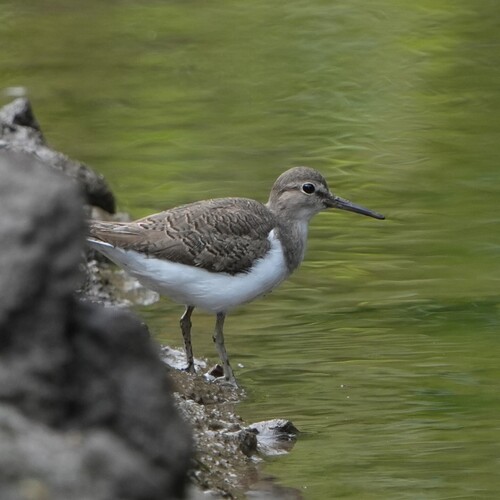 Piro piro piccolo
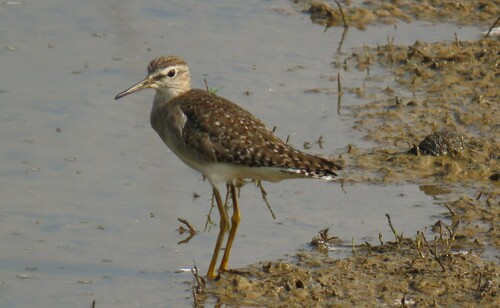 Piro piro boschereccio
In breve
Il segno distintivo più affidabile per separare il Piro piro piccolo dal Piro piro boschereccio è la lunghezza e la struttura delle gambe: il Piro piro piccolo ha gambe corte, di un giallo scuro, e un aspetto compatto e basso, mentre il Piro piro boschereccio ha gambe visibilmente più lunghe e un portamento più eretto, con gambe di un giallo più brillante. In volo, i giovani Piro piro piccoli mostrano barre nette e piume delle ali con bordi color crema, mentre i Piro piro boscherecci non presentano barre così forti. Entrambe le specie hanno parti superiori marroni e parti inferiori bianche, ma la forma generale, il colore delle gambe e la postura sono fondamentali. Fai attenzione allo stile di volo distintivo del Piro piro piccolo, con ali rigide e volo basso, rispetto al volo più galleggiante e simile a un gambo del Piro piro boschereccio.
Consigli di identificazione
- Lunghezza e colore delle gambe: Il Piro piro piccolo ha gambe corte, di un giallo scuro; il Piro piro boschereccio ha gambe molto più lunghe e di un giallo più brillante. Questo è il modo più veloce per separarli a qualsiasi età o stagione.
- Struttura e postura: Il Piro piro piccolo appare compatto, basso e accovacciato, spesso con il corpo vicino al suolo. Il Piro piro boschereccio sta più in alto e in modo più eretto, con una struttura delicata e simile a un gambo.
- Stile di volo: Il Piro piro piccolo vola basso sull'acqua con battiti d'ali rigidi e superficiali; il Piro piro boschereccio ha un volo più galleggiante e simile a un gambo, con gambe più lunghe che seguono.
- Schema delle ali dei giovani: I giovani Piro piro piccoli mostrano barre nette e piume delle ali con bordi color crema sopra, particolarmente evidenti in volo o a distanza ravvicinata. I giovani Piro piro boscherecci non mostrano barre così forti; le loro parti superiori sono più diffusamente macchiate.
- Schema delle ali degli adulti: In volo, il Piro piro piccolo mostra un schema delle ali più netto e contrastante rispetto al Piro piro boschereccio, anche se questo è sottile e meglio visibile a distanza ravvicinata.
- Forma del becco: Entrambi hanno un becco con base chiara e punta scura, ma quello del Piro piro boschereccio è più fine e leggermente più lungo rispetto alla dimensione della testa. Questo è un segno secondario, non primario.
- Marcature sul petto: Il Piro piro boschereccio ha macchie marroni più piccole e diffuse sul petto e sul collo, mentre le parti inferiori del Piro piro piccolo sono bianche e pulite con poche o nessuna macchia.
- Movimento della coda: Il Piro piro piccolo muove frequentemente la coda su e giù e spinge la testa mentre cerca cibo; il Piro piro boschereccio è meno animato in questo modo.
- Preferenza per l'habitat: Se visto in un sito di acqua dolce vegetato e paludoso, specialmente lontano dalla costa, è più probabile che sia un Piro piro boschereccio. Lungo le rive di fiumi rocciosi o fangosi e le sponde dei laghi, specialmente in uccelli solitari, è più atteso il Piro piro piccolo.
- Comportamento di gruppo: Il Piro piro piccolo è di solito solo o in piccoli gruppi, raramente si unisce a stormi misti. Il Piro piro boschereccio può essere visto con altri trampolieri in habitat umidi adatti.
- Colore delle gambe in scarsa illuminazione: In condizioni opache o fangose, le gambe del Piro piro boschereccio possono apparire meno brillanti, ma la loro lunghezza rimane distintiva rispetto alle gambe corte del Piro piro piccolo.
- Confusione in piumaggio non riproduttivo: Entrambe le specie diventano più opache in inverno, ma le differenze strutturali (lunghezza delle gambe, postura) li separano ancora in modo affidabile.
- Impressione di dimensione: Il Piro piro boschereccio è leggermente più pesante e appare più delicato e alto; il Piro piro piccolo è più piccolo, più tozzo e più vicino al suolo.
- Voce: Non diagnostico dalle note fornite; fare affidamento su struttura e piumaggio invece.
- Trappola: Non fare affidamento solo sul colore delle parti superiori, poiché entrambi possono apparire marroni in scarsa luce—concentrati sulla lunghezza delle gambe, sulla postura e sullo stile di volo per un'identificazione sicura.
Taglia
Il Piro piro boschereccio è più pesante (massa corporea circa 67,5 g [wikidata]) e appare più delicato e con gambe più lunghe rispetto al Piro piro piccolo, che è leggermente più piccolo e più compatto (lunghezza adulta 18–20 cm, apertura alare 32–35 cm [wikipedia]). Il Piro piro boschereccio è il più piccolo dei trampolieri, ma appare comunque più alto e con gambe più lunghe rispetto al tozzo e basso Piro piro piccolo.
Piumaggio
- Giovani/uccelli immaturi: I giovani Piro piro piccoli sono fortemente barrati sopra con bordi color crema sulle piume delle ali, creando un aspetto netto e patternato in volo o a riposo. I giovani Piro piro boscherecci non mostrano barre così forti; le loro parti superiori sono marroni con alcune macchie più scure, e il loro petto e collo hanno macchie marroni diffuse piuttosto che barre nette.
- Adulti: Entrambe le specie hanno parti superiori marroni e parti inferiori bianche, ma le parti superiori del Piro piro piccolo sono di un marrone grigiastro, e il suo schema delle ali in volo è più netto. Gli adulti del Piro piro boschereccio hanno una schiena di un marrone chiaro più sobrio con marcature più piccole e meno contrastanti. In inverno, il Piro piro piccolo diventa più opaco con barre delle ali più visibili a distanza ravvicinata, ma questo è ancora più distinto rispetto al Piro piro boschereccio.
- Gambe: Le gambe del Piro piro piccolo sono corte e di un giallo scuro; quelle del Piro piro boschereccio sono più lunghe e di un giallo più brillante.
- Becco: Entrambi hanno un becco con base chiara e punta scura, ma quello del Piro piro boschereccio è più fine e leggermente più lungo rispetto alla dimensione della testa.
Comportamento
Il Piro piro piccolo è di solito solitario o in piccoli gruppi, raramente si unisce a stormi misti. Cerca cibo con un movimento distintivo di bobbing della coda e spesso pompa la coda e spinge la testa mentre cammina. Il suo volo è rigido e basso sull'acqua, abbracciando la superficie. Il Piro piro boschereccio cerca cibo in acqua poco profonda o fango, sondando con il suo becco, e appare più galleggiante e eretto, sia quando si nutre che in volo. Il volo del Piro piro boschereccio è più tipico dei trampolieri, con gambe più lunghe che seguono e un battito d'ali meno rigido.
Habitat
Il Piro piro piccolo si trova più spesso lungo margini di acqua dolce o costieri, specialmente rive di fiumi, sponde di laghi e estuari, ma tende ad evitare grandi stormi misti. Il Piro piro boschereccio preferisce zone umide di acqua dolce, paludi e pozze fangose, ed è meno probabile trovarlo su coste aperte. Anche se entrambe le specie si sovrappongono in alcuni habitat umidi interni, il Piro piro boschereccio è più strettamente associato a siti di acqua dolce vegetati e paludosi.
Piro piro piccolo · Piro piro boschereccio · I miei uccelli difficili