
Culebrera Chiíla vs Águila Montañesa
Spilornis cheela frente a Nisaetus nipalensis
Juega un quiz con Culebrera Chiíla y Águila Montañesa
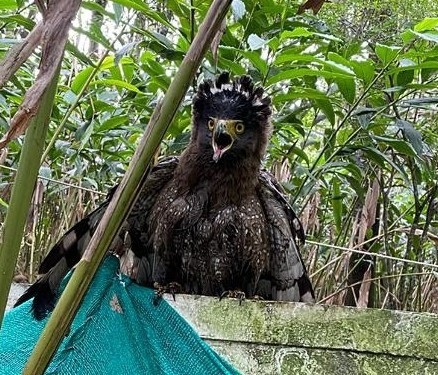 Culebrera Chiíla
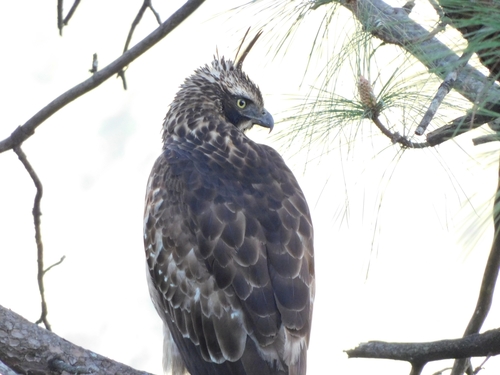 Águila Montañesa
En breve
La marca de campo más confiable entre la Culebrera Chiíla y el Águila Montañesa es el patrón de las alas y la cola en vuelo, especialmente en juveniles: los juveniles de Culebrera Chiíla muestran barras blancas anchas y audaces en las plumas de vuelo negruzcas y la cola, mientras que los juveniles de Águila Montañesa tienen una barrera más delgada y desvanecida y un ala inferior más moteada y de color pardo. Estructuralmente, la Culebrera Chiíla es más robusta con una cola más corta y un aspecto de cuello grueso debido a su prominente cresta nucal, mientras que el Águila Montañesa tiene alas más largas y una cola más larga con una silueta más esbelta y rapaces. Los adultos se separan por las partes inferiores manchadas de la Culebrera y las alas en forma de pala frente a las partes inferiores barradas de color rufo y la cabeza oxidada prominente del Águila. Ambas especies pueden planear con las alas en una V poco profunda, pero sus proporciones y plumaje son distintos con una observación cuidadosa.
Consejos de identificación
- Patrón de vuelo juvenil: El juvenil de Culebrera Chiíla muestra barras blancas anchas y audaces en el ala inferior y la cola; el juvenil de Águila Montañesa tiene una barrera más delgada y desvanecida y un ala inferior más moteada. Utiliza esto en todas las aves inmaduras vistas en vuelo.
- Cabeza y cresta: La Culebrera Chiíla tiene una cresta corta en forma de abanico negro y blanco que da un aspecto de cuello grueso; la cresta del Águila Montañesa es más larga, mayormente negra con una pequeña punta parda o blanca, y la cabeza es más esbelta y con rayas oxidadas en los adultos.
- Piel facial y pies: La Culebrera muestra piel facial y pies desnudos de color amarillo brillante; los pies del Águila son de un amarillo apagado a blanco amarillento, y la piel facial es menos prominente.
- Partes inferiores (adultos): La Culebrera tiene manchas blancas y marrón amarillento en las partes inferiores; el Águila está barrada de color rufo sobre blanco, con un efecto de collar rufo y rayas de garganta negras audaces.
- Patrón de cola: La cola de la Culebrera es negra con barras blancas anchas (todas las edades); la cola del Águila es marrón grisáceo con bandas negras más delgadas y más oscuras y una punta blanquecina.
- Forma del ala en vuelo: La Culebrera tiene alas anchas en forma de pala sostenidas en una V poco profunda, que parecen cortas y redondeadas; las alas del Águila también son redondeadas pero más largas y estrechas en la base trasera, con una cabeza más prominente y una cola más larga.
- Aspecto posado: La Culebrera parece robusta, con cuello grueso y cola corta, a menudo con la cresta levantada; el Águila es más erguido, con cola larga y esbelta.
- Color de cabeza juvenil: El juvenil de Culebrera tiene mucho blanco en la cabeza; la cabeza del juvenil de Águila es de color pardo a pardo claro con rayas marrón oscuro.
- Cubiertas del ala inferior: En vuelo, el ala inferior de la Culebrera está manchada o barrada; la del Águila es más moteada y de color rufo (adulto) o pardo (juvenil).
- Color de ojos: El adulto de Águila tiene ojos dorados o amarillo-naranja; el color de los ojos de la Culebrera no está especificado pero es menos llamativo en las notas.
- Contexto de hábitat: El bosque denso de tierras bajas o cerca del agua favorece a la Culebrera; la elevación más alta y las colinas boscosas accidentadas favorecen al Águila.
- Comportamiento: La Culebrera es a menudo posada y llama con frecuencia; el Águila es más probable que se vea cazando activamente o planeando alto.
- Vocalización: Si escuchas un kluee-wip-wip repetido, es la Culebrera.
- Sexo/temporada: No se observan diferencias sexuales marcadas o diferencias de plumaje estacional para ninguna de las especies; la edad es más importante para la separación.
- Cuando tengas dudas: Concéntrate en la combinación de las barreras del ala inferior/cola, la estructura general y el hábitat. Si el ave es robusta con barreras audaces en blanco y negro, casi con certeza es una Culebrera Chiíla; si es de cola larga, barrada de rufo y más parecida a un águila, es un Águila Montañesa.
Tamaño
La Culebrera Chiíla es altamente variable en tamaño a lo largo de su rango, pero generalmente es un ave rapaz de tamaño mediano-grande y robusta (longitud 41–75 cm, envergadura 89–169 cm, masa 420–2300 g dependiendo de la subespecie) [wikipedia]. El Águila Montañesa es consistentemente grande y poderosa, con una cola larga y alas largas, generalmente más grande y más alargada que la mayoría de las razas de Culebrera Chiíla (longitud no especificada aquí, pero consistentemente descrita como más grande y con alas más largas) [wikipedia]. En el campo, el Águila parece más esbelto y más parecido a un águila, mientras que la Culebrera es compacta y robusta.
Plumaje
Las aves juveniles/inmaduras son más fácilmente separadas en vuelo:
-
Juvenil Culebrera Chiíla: Muestra mucho blanco en la cabeza, y el ala inferior y la cola están audazmente barradas en negro y blanco. Las partes inferiores están manchadas de blanco y marrón amarillento. En vuelo, las alas anchas en forma de pala y la cola corta con barras blancas anchas son distintivas.
-
Juvenil Águila Montañesa: Arriba, marrón oscuro con bordes de plumas claros de color crema/blanco para un efecto escalado, y parches de color más pardo en el medio del ala. Abajo, de color pardo claro a pardo en las partes inferiores y forros de las alas, con una barrera delgada y desvanecida en las plumas de vuelo grisáceas y una cola delgada con una punta blanquecina. El ala inferior es más moteada y carece de la audaz barrera en blanco y negro de la Culebrera. La cresta es negra con una pequeña punta blanca.
-
Adultos: La Culebrera Chiíla es marrón oscuro por encima, con una cresta corta en forma de abanico en blanco y negro, piel facial desnuda amarilla y partes inferiores manchadas. La cola y las plumas de vuelo son negras con barras blancas anchas. Los adultos de Águila Montañesa son marrón oscuro por encima con cabeza rayada de color oxidado y una cresta mayormente negra con punta parda; las partes inferiores están barradas de rufo sobre blanco, con un efecto de collar rufo y rayas de garganta negras audaces. La cola es marrón grisáceo con bandas negras más oscuras y una punta blanquecina.
-
En todas las edades: La barrera del ala inferior y la cola de la Culebrera Chiíla es más ancha y contrastante; la del Águila es más fina y menos distintiva, con más tonos pardos o rufo en el ala inferior y el cuerpo.
Comportamiento
La Culebrera Chiíla pasa la mayor parte del día posada en un denso follaje, a menudo llamando desde un posadero prominente y ascendiendo en térmicas a última hora de la mañana. Caza principalmente escaneando desde un posadero o planeando sobre bosques y praderas adyacentes, con preferencia por los reptiles. El Águila Montañesa es más activa y ágil, conocida por su vuelo rápido y maniobrable con potentes aleteos poco profundos y deslizamientos. Es más probable que se vea cazando activamente o planeando alto sobre colinas y montañas boscosas, y se describe como más parecida a un águila en su estilo de vuelo. Ambas pueden planear con las alas en una V poco profunda, pero el Águila es más dinámica y menos sedentaria que la Culebrera, que a menudo está posada.
Hábitat
Ambas especies se encuentran en hábitats forestales en toda Asia, pero la Culebrera Chiíla está más estrechamente vinculada a bosques de tierras bajas y de pie de montaña, a menudo cerca de praderas húmedas o vegetación densa en llanuras y colinas bajas. El Águila Montañesa es más estrictamente un ave de bosques de tierras altas y regiones montañosas, a menudo en elevaciones más altas. Si se ve en una densa jungla de tierras bajas o cerca del agua, es más probable que sea una Culebrera; en colinas boscosas accidentadas o montañas más altas, se prefiere al Águila.
Voz
La Culebrera Chiíla emite un llamado distintivo y repetido kluee-wip-wip, con la primera nota alta y ascendente, a menudo escuchada desde posaderos o mientras planea. Las vocalizaciones del Águila Montañesa no se describen en las notas proporcionadas, por lo que la voz solo es diagnóstica para la Culebrera si se escucha este llamado.