

Vinago Cuellirrosa vs Papamoscas de Mindanao
Treron vernans frente a Vauriella goodfellowi
Juega un quiz con Vinago Cuellirrosa y Papamoscas de Mindanao
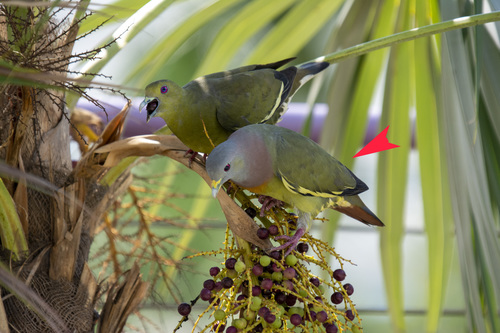 Vinago Cuellirrosa
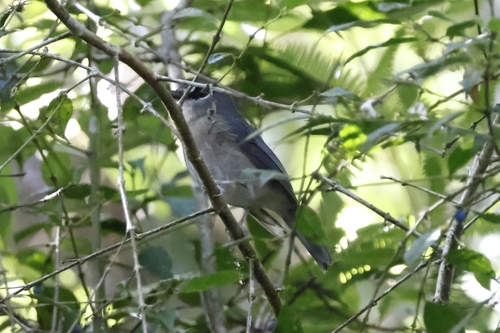 Papamoscas de Mindanao
En breve
La marca de campo más confiable para separar el Vinago Cuellirrosa del Papamoscas de Mindanao es la estructura y el color en general: el paloma es un ave robusta, de tamaño mediano, con plumaje verde y un pico grueso y, en los machos, un llamativo cuello rosa, mientras que el papamoscas es mucho más pequeño, esbelto y de color gris-marrón con un vientre pálido, espectáculos blancos y un pico fino y curvado. En vuelo, la paloma muestra una barra amarilla a través del ala (de las terciarias con bordes amarillos), que nunca está presente en el papamoscas. Las palomas juveniles pueden carecer del cuello rosa del macho, pero siguen siendo más voluminosas y verdes que el papamoscas. Las dos especies difieren drásticamente en jizz, hábitat y voz, con la paloma a menudo en áreas abiertas de tierras bajas y el papamoscas restringido a los bosques montanos de Mindanao.
Consejos de identificación
- Tamaño y forma: El Vinago Cuellirrosa es mucho más grande y voluminoso que el Papamoscas de Mindanao. Incluso una paloma hembra o juvenil es notablemente más robusta que el papamoscas, que es esbelto y erguido.
- Forma del pico: La paloma tiene un pico grueso y pálido (blanco, azul-verde o gris), mientras que el papamoscas tiene un pico pequeño y negro con una punta curvada. El color y la forma del pico son visibles a corta distancia.
- Color de las patas: Ambas especies pueden mostrar patas rosadas, pero esto no es un separador fuerte. Concéntrate en otras marcas.
- Macho Vinago Cuellirrosa: Solo el macho de la paloma tiene un cuello rosa y un pecho superior con un pecho inferior naranja—nunca visto en el papamoscas. Si ves rosa o naranja en el cuello/pecho, es la paloma.
- Paloma hembra/juvenil vs papamoscas: Las palomas hembras y juveniles carecen del rosa/naranja, pero siguen siendo verdosas por encima y amarillentas por debajo, con una barra amarilla a través del ala en vuelo. El papamoscas es siempre gris-marrón por encima y pálido por debajo, sin verde ni amarillo.
- Patrón del ala en vuelo: La paloma muestra una barra amarilla a través del ala (de las terciarias con bordes amarillos) y primarias negras—esto es visible en todas las edades y sexos. El papamoscas tiene alas marrones lisas sin barras ni paneles.
- Patrón facial: El papamoscas tiene espectáculos blancos y frente, anillo ocular oscuro y lore, y un aspecto generalmente 'enmascarado'. La paloma carece de blanco en la cara; los machos tienen una cabeza gris y un cuello rosa, las hembras son verdosas/amarillentas.
- Patrón de la cola: La paloma tiene una cola gris con una banda terminal negra y cobertoras de la cola castañas, visibles cuando está posada o en vuelo. El papamoscas tiene una cola lisa sin un patrón fuerte.
- Tonos de plumaje: La paloma es siempre verdosa (incluso en juveniles), con amarillo y a veces rosa/naranja. El papamoscas es siempre de tonos terrosos (gris-marrón, pálido por debajo), sin verde/amarillo/rosa.
- Hábitat: La paloma se encuentra en hábitats de tierras bajas, abiertos o de borde, a menudo cerca de humanos. El papamoscas está restringido a los bosques montanos de Mindanao—nunca en jardines o plantaciones de tierras bajas.
- Comportamiento: La paloma se posa erguida en ramas expuestas, a veces en grupos, alimentándose de fruta. El papamoscas es solitario, busca alimento bajo en densos bosques, y realiza cortas emboscadas para insectos.
- Voz: La paloma emite llamadas profundas, silbantes o ásperas, rara vez vocales excepto en dormideros o cuando se alimenta. El papamoscas emite notas rápidas, agudas, que aceleran y desaceleran.
- Distribución: Si no estás en Mindanao en un bosque montano, casi con seguridad no estás viendo al Papamoscas de Mindanao. La paloma está ampliamente distribuida por el sudeste asiático y Filipinas.
- Dimorfismo sexual: Solo la paloma es sexualmente dimórfica (macho con rosa/naranja, hembra más verde/amarilla). El papamoscas muestra poca o ninguna diferencia sexual en el plumaje.
- Trampas: Las palomas hembras y juveniles pueden confundirse con otras palomas verdes, pero no con el papamoscas si verificas el tamaño, la barra del ala y el color general. El papamoscas nunca es verde o amarillo y carece de cualquier barra en el ala.
Tamaño
El Vinago Cuellirrosa es significativamente más grande, con 25–30 cm de longitud y 105–160 g de peso [wikipedia], en comparación con el Papamoscas de Mindanao, que mide 17–18 cm de largo y es mucho más ligero [wikipedia]. La paloma es robusta y maciza, con un cuello grueso y alas anchas, mientras que el papamoscas es esbelto, con una postura típica de Muscicapidae, con pico fino y erguido. Incluso una paloma hembra o juvenil eclipsa al papamoscas en volumen y longitud.
Plumaje
- Comparación juvenil/inmaduro: Las palomas juveniles Vinago Cuellirrosa se asemejan a las hembras, siendo verdosas por encima y amarillentas por debajo, pero son generalmente más grises en las partes superiores. Aún muestran las alas verdes con primarias negras y una barra amarilla a través del ala en vuelo (de los bordes terciarios amarillos). Los juveniles del Papamoscas de Mindanao no se describen en detalle, pero todas las edades son de color gris-marrón por encima, pálidas por debajo y carecen de tonos verdes o amarillos.
- Macho adulto Vinago Cuellirrosa: Cuello rosa y pecho superior llamativos, pecho inferior naranja, espalda verde oliva, alas verdes con primarias negras y bordes terciarios amarillos (creando una barra amarilla en vuelo), vientre amarillento, cola gris con banda terminal negra y cobertoras de la cola castañas. La hembra es similar pero carece del rosa y el naranja, siendo más uniformemente verdosa con un vientre y cara amarillentos.
- Papamoscas de Mindanao (todas las edades/sexos): Gris-marrón pálido por encima, vientre y garganta más claros, espectáculos y frente blancos, anillo ocular oscuro y lore, patas rosadas y un pico negro con una punta curvada. No hay tonos verdes, amarillos o rosas en ninguna parte. El efecto general es apagado y de tonos terrosos, con un patrón facial distintivo.
- En vuelo: Solo la paloma muestra una barra amarilla a través del ala; el papamoscas tiene alas marrones lisas sin paneles o barras contrastantes.
Comportamiento
El Vinago Cuellirrosa se ve a menudo posado erguido en ramas expuestas, a veces en pequeños grupos, alimentándose de fruta, o volando con fuertes aleteos directos. Se puede encontrar en jardines, plantaciones o en el borde del bosque, y a menudo es conspicuo debido a su tamaño y color. El Papamoscas de Mindanao es un ave solitaria, tranquila y discreta, que típicamente busca alimento bajo en densos bosques montanos, saliendo para atrapar insectos y luego regresando a una percha. Sus movimientos son más delicados y similares a los del papamoscas, con un vuelo menos obvio y más tiempo pasado posado en la cobertura.
Hábitat
El Vinago Cuellirrosa es común y está ampliamente distribuido en el sudeste asiático de tierras bajas, encontrado en una amplia gama de hábitats abiertos y de borde, incluyendo jardines, plantaciones, bosques secundarios y manglares, así como en el borde del bosque hasta elevaciones moderadas (hasta 1200 m en Sulawesi, pero en su mayoría más bajo en otros lugares) [wikipedia]. El Papamoscas de Mindanao es estrictamente endémico de los bosques montanos de Mindanao, Filipinas, y no se encuentra en hábitats de tierras bajas o abiertos. Por lo tanto, el contexto es una pista fuerte: una paloma verde en un parque de la ciudad o área costera casi con seguridad no es un papamoscas de jungla.
Voz
El Vinago Cuellirrosa es generalmente silencioso, pero los machos pueden emitir un llamado silbante tri-silábico que termina en un arrullo, o un 'krrak krrak...' áspero en dormideros comunales o cuando se alimentan [wikipedia]. El Papamoscas de Mindanao emite una serie de notas rápidas, agudas y repetidas que aceleran y desaceleran, una canción típica de papamoscas. Las llamadas de la paloma son más profundas y más parecidas a las de una paloma, mientras que las del papamoscas son más agudas y similares a las de un insecto.
Vinago Cuellirrosa · Papamoscas de Mindanao · Mis aves difíciles