

Andean Tinamou vs Spotted Nothura
Nothoprocta pentlandii contro Nothura maculosa
Fai un quiz con Andean Tinamou e Spotted Nothura
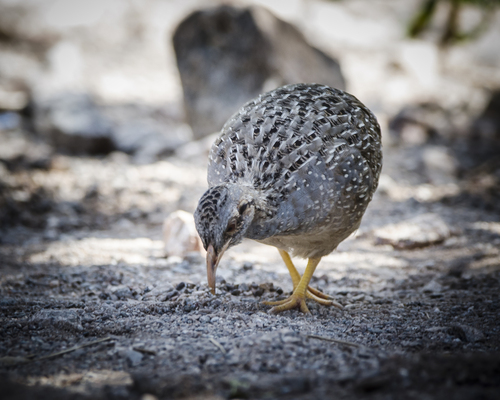 Andean Tinamou
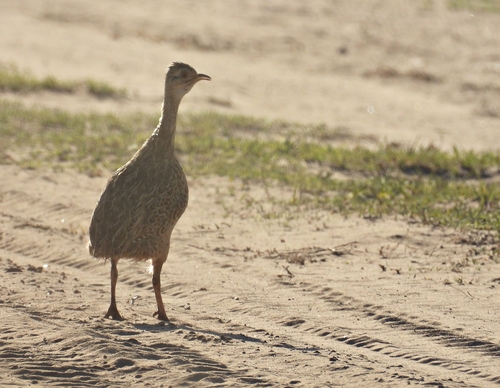 Spotted Nothura
In breve
Per separare l'Andean Tinamou dallo Spotted Nothura, concentrati prima sul colore generale e sui modelli di barratura: l'Andean Tinamou è un uccello più grande e grigio con una schiena distintamente barrata e una corona nera, mentre lo Spotted Nothura è più piccolo, marrone e più striato sopra, con una corona nera striata di buff e una gola bianca. Il petto dell'Andean Tinamou è grigio con macchie bianche o di buff, in contrasto con le parti inferiori dello Spotted Nothura, pesantemente striate e barrate di buff. L'habitat è un forte indizio: l'Andean Tinamou è un uccello di arbusti andini ad alta quota, mentre lo Spotted Nothura si trova nelle praterie di pianura dell'est del Sud America. Anche il colore delle gambe differisce, con l'Andean Tinamou che mostra gambe gialle e lo Spotted Nothura grigio-giallastro opaco o marrone.
Consigli di identificazione
- Controlla l'habitat e l'elevazione: Se ti trovi in un arbusto andino ad alta quota (800–4.100 m), è probabile che tu stia osservando l'Andean Tinamou. Nelle praterie di pianura o pampas, specialmente a est delle Ande, ci si aspetta lo Spotted Nothura.
- Valuta la dimensione complessiva: L'Andean Tinamou è più grande e massiccio (27 cm, 293 g) rispetto al più piccolo Spotted Nothura (24–25,5 cm, costruzione più leggera). Questo è più utile se hai un confronto diretto o esperienza con entrambi.
- Esamina il modello delle parti superiori: L'Andean Tinamou ha parti superiori grigio-marroni a marrone-oliva con barrature nere e bianche audaci. Lo Spotted Nothura è marrone sopra con striature di buff, non barre.
- Guarda la corona: L'Andean Tinamou ha una corona nera solida. La corona dello Spotted Nothura è nera ma striata di buff.
- Colore della gola: La gola dell'Andean Tinamou è maculata di grigio. La gola dello Spotted Nothura è bianca e si distingue chiaramente.
- Petto e pancia: L'Andean Tinamou ha un petto grigio con macchie bianche o di buff e una pancia di buff/bianca. Le parti inferiori dello Spotted Nothura sono di buff con pesanti striature nere e marroni sul petto e barrature sui fianchi.
- Colore delle gambe: L'Andean Tinamou ha gambe gialle, mentre quelle dello Spotted Nothura sono grigio-giallastro opaco o marrone. Questo può essere un indicatore decisivo a distanza ravvicinata.
- Barratura primaria: Lo Spotted Nothura (e il Chaco Nothura) sono unici tra i nothuras per avere barrature su entrambe le membrane delle primarie, ma questo è raramente visibile tranne che in mano o in viste di volo molto ravvicinate.
- Colorazione generale: L'Andean Tinamou appare più grigio e freddo nel complesso, mentre lo Spotted Nothura è marrone più caldo e più striato.
- Comportamento quando viene disturbato: L'Andean Tinamou è più pesante e più lento in volo; lo Spotted Nothura è più leggero e più agile.
- Modello della testa e del viso: L'Andean Tinamou ha lati della testa maculati di grigio; il viso dello Spotted Nothura è meno contrastante, ma la gola bianca è distintiva.
- Modello dei fianchi: Lo Spotted Nothura mostra barrature sui fianchi; i fianchi dell'Andean Tinamou sono meno distintamente marcati.
- Variazione stagionale: Entrambe le specie mostrano alcune variazioni di colore nelle loro aree, ma i principali segni sul campo sopra sono coerenti.
- Sesso e età: Non è descritto un forte dimorfismo sessuale; le piume giovanili/immature non sono dettagliate nelle fonti, quindi concentrati sui segni sul campo degli adulti.
- Quando hai dubbi: Usa una combinazione di habitat, dimensione, modello delle parti superiori e colore della gola/corona per la separazione più affidabile.
Taglia
L'Andean Tinamou è notevolmente più grande, con una lunghezza media di circa 27 cm e una massa di 293 g [wikipedia][wikidata]. Lo Spotted Nothura è più piccolo, con una lunghezza di 24–25,5 cm (massa non specificata, ma costantemente più leggero sul campo) [wikipedia]. Questa differenza di dimensione è spesso evidente quando entrambe le specie vengono viste in contesti simili, ma può essere difficile da giudicare in isolamento.
Piumaggio
L'Andean Tinamou adulto mostra parti superiori grigio-marroni a marrone-oliva con barrature nere e bianche audaci, una corona nera e un petto grigio con macchie bianche o di buff. La pancia è di buff o bianca, e i lati della testa e della gola sono maculati di grigio. Al contrario, lo Spotted Nothura è marrone sopra con striature di buff (non barre), una corona nera striata di buff e una gola bianca. Le sue parti inferiori sono di buff con pesanti striature nere e marroni sul petto e barrature sui fianchi. Entrambe le specie hanno alcune barrature, ma quelle dell'Andean Tinamou sono più regolari e audaci sulle parti superiori, mentre quelle dello Spotted Nothura sono più striate e limitate ai fianchi e al petto. È notevole che lo Spotted Nothura (e il Chaco Nothura) siano unici tra i nothuras per avere barrature su entrambe le membrane delle primarie, che possono essere verificate su uccelli in mano o in viste di volo ravvicinate, ma questo è raramente diagnostico in condizioni di campo. Anche il colore delle gambe è utile: l'Andean Tinamou ha gambe gialle, quelle dello Spotted Nothura sono grigio-giallastro opaco o marrone.
Comportamento
Entrambe le specie sono terrestri e riservate, preferendo camminare o correre piuttosto che volare. Quando vengono disturbate, entrambe volano basse e rapidamente, ma l'Andean Tinamou può apparire più massiccio e pesante in volo, mentre lo Spotted Nothura è più agile e leggero. L'Andean Tinamou è più probabile trovarlo in terreni arbustivi o rocciosi, spesso tra cespugli o erbe ad alta quota, mentre lo Spotted Nothura preferisce praterie aperte e pampas, a volte avventurandosi in campi agricoli.
Habitat
L'Andean Tinamou è limitato a arbusti e praterie ad alta quota nelle Ande, dall'Ecuador meridionale al Cile centrale e parti dell'Argentina, a elevazioni da 800 a 4.100 m [wikipedia]. Lo Spotted Nothura è una specie di pianura di habitat erbosi nell'est e nel sud del Brasile, Paraguay, Bolivia, Uruguay e Argentina orientale/nordica [wikipedia]. Se ti trovi nelle Ande sopra gli 800 m, ci si aspetta l'Andean Tinamou; nelle praterie di pianura o pampas, specialmente a est delle Ande, lo Spotted Nothura è il candidato probabile.