

Andestinamoe vs Gevlekte nothura
Nothoprocta pentlandii versus Nothura maculosa
Speel een quiz met Andestinamoe en Gevlekte nothura
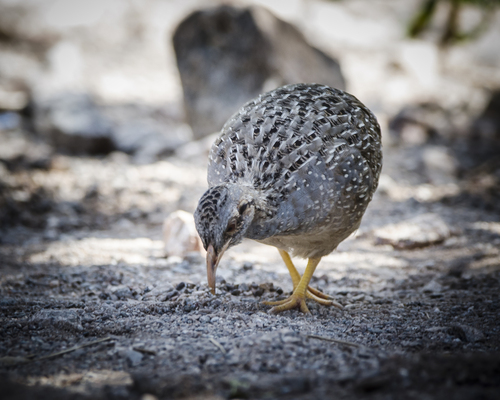 Andestinamoe
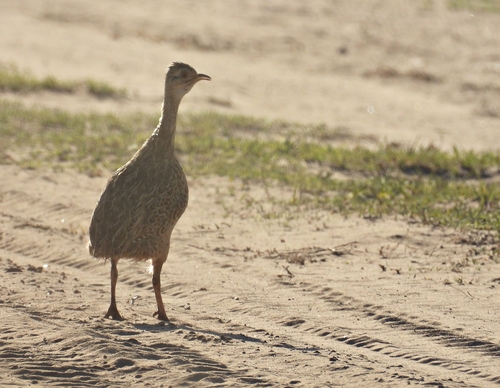 Gevlekte nothura
Kort gezegd
Om Andestinamoe van Gevlekte nothura te scheiden, focus eerst op de algemene kleur en het patroon van de streepjes: Andestinamoe is een grotere, grijzere vogel met een duidelijk gestreepte rug en een zwarte kroon, terwijl Gevlekte nothura kleiner, bruiner en meer gestreept is boven, met een zwarte kroon gestreept met buff en een witte keel. De borst van de Andestinamoe is grijs met witte of buff vlekken, in contrast met de buff onderdelen van de Gevlekte nothura die zwaar gestreept en gestreept zijn. Habitat is een sterke aanwijzing: Andestinamoe is een vogel van hooggelegen Andese struikgewas, terwijl Gevlekte nothura voorkomt in laaglandgraslanden van oostelijk Zuid-Amerika. De kleur van de poten verschilt ook, met Andestinamoe die gele poten heeft en Gevlekte nothura dof geelgrijs of bruin.
Herkenningstips
- Controleer het habitat en de hoogte: Als je je in hooggelegen Andese struikgewas (800–4.100 m) bevindt, zie je waarschijnlijk Andestinamoe. In laaglandgraslanden of pampas, vooral ten oosten van de Andes, wordt Gevlekte nothura verwacht.
- Beoordeel de algemene grootte: Andestinamoe is groter en robuuster (27 cm, 293 g) in vergelijking met de kleinere Gevlekte nothura (24–25,5 cm, lichter gebouwd). Dit is het nuttigst als je directe vergelijking of ervaring met beide hebt.
- Onderzoek het patroon van de bovenkant: Andestinamoe heeft grijsbruin tot olijfbruin bovenwerk met gedurfde zwarte en witte streepjes. Gevlekte nothura is bruin boven met buff strepen, geen streepjes.
- Kijk naar de kroon: Andestinamoe heeft een solide zwarte kroon. De kroon van Gevlekte nothura is zwart maar gestreept met buff.
- Keel kleur: De keel van Andestinamoe is gemêleerd grijs. De keel van Gevlekte nothura is wit en valt duidelijk op.
- Borst en buik: Andestinamoe heeft een grijze borst met witte of buff vlekken en een buff/witte buik. De onderdelen van Gevlekte nothura zijn buff met zware zwarte en bruine strepen op de borst en streepjes op de flanken.
- Poten kleur: Andestinamoe heeft gele poten, terwijl die van Gevlekte nothura dof geelgrijs of bruin zijn. Dit kan een beslissende factor zijn van dichtbij.
- Primaire streepjes: Gevlekte nothura (en Chaco nothura) zijn uniek onder nothura's omdat ze streepjes hebben op beide zwemvliezen van de primaire veren, maar dit is zelden zichtbaar, behalve in de hand of bij zeer dichtbij vliegende vogels.
- Algemene kleur: Andestinamoe lijkt grijzer en kouder in het algemeen, terwijl Gevlekte nothura warmer bruin en meer gestreept is.
- Gedrag bij verstoring: Andestinamoe is zwaarder en langzamer in de vlucht; Gevlekte nothura is lichter en wendbaarder.
- Hoofd- en gezichtspatroon: Andestinamoe heeft gemêleerde grijze zijkanten van het hoofd; het gezicht van Gevlekte nothura is minder contrasterend, maar de witte keel is kenmerkend.
- Flankpatroon: Gevlekte nothura toont streepjes op de flanken; de flanken van Andestinamoe zijn minder duidelijk gemarkeerd.
- Seizoensvariatie: Beide soorten vertonen enige kleurvariatie in hun verspreidingsgebied, maar de belangrijkste veldkenmerken hierboven zijn consistent.
- Geslacht en leeftijd: Er is geen sterke seksuele dimorfie beschreven; juvenile/onvolwassen verenkleed is niet gedetailleerd in de bronnen, dus focus op volwassen veldkenmerken.
- Bij twijfel: Gebruik een combinatie van habitat, grootte, bovenkant patroon, en keel/kroon kleur voor de meest betrouwbare scheiding.
Grootte
Andestinamoe is merkbaar groter, met een gemiddelde lengte van ongeveer 27 cm en een massa van 293 g [wikipedia][wikidata]. Gevlekte nothura is kleiner, met een lengte van 24–25,5 cm (massa niet gespecificeerd, maar consistent lichter in het veld) [wikipedia]. Dit formaatverschil is vaak duidelijk wanneer beide soorten in vergelijkbare contexten worden gezien, maar kan moeilijk te beoordelen zijn in isolatie.
Verenkleed
Volwassen Andestinamoe toont grijsbruin tot olijfbruin bovenwerk met gedurfde zwarte en witte streepjes, een zwarte kroon, en een grijze borst met witte of buff vlekken. De buik is buff of witachtig, en de zijkanten van het hoofd en de keel zijn gemêleerd grijs. In tegenstelling tot Gevlekte nothura, die bruin is boven met buff strepen (geen streepjes), een zwarte kroon gestreept met buff, en een witte keel. De onderdelen zijn buff met zware zwarte en bruine strepen op de borst en streepjes op de flanken. Beide soorten hebben enige streepjes, maar de streepjes van Andestinamoe zijn regelmatiger en gedurfder op het bovenwerk, terwijl die van Gevlekte nothura meer gestreept zijn en beperkt tot de flanken en borst. Opmerkelijk is dat Gevlekte nothura (en Chaco nothura) uniek zijn onder nothura's omdat ze streepjes hebben op beide zwemvliezen van de primaire veren, wat kan worden gecontroleerd bij vogels in de hand of bij dichtbij vliegende vogels, maar dit is zelden diagnostisch in veldomstandigheden. De kleur van de poten is ook nuttig: Andestinamoe heeft gele poten, de poten van Gevlekte nothura zijn dof geelgrijs of bruin.
Gedrag
Beide soorten zijn grondbewonend en geheimzinnig, en geven de voorkeur aan lopen of rennen in plaats van vliegen. Wanneer ze worden verstoord, vliegen beide laag en snel, maar Andestinamoe kan robuuster en zwaarder lijken in de vlucht, terwijl Gevlekte nothura wendbaarder en lichter is. Andestinamoe wordt waarschijnlijker aangetroffen in struikachtige of rotsachtige terreinen, vaak tussen struiken of gras op hoge hoogtes, terwijl Gevlekte nothura de voorkeur geeft aan open graslanden en pampas, soms zelfs in landbouwvelden komt.
Habitat
Andestinamoe is beperkt tot hooggelegen struikgewas en grasland in de Andes, van het zuiden van Ecuador tot centraal Chili en delen van Argentinië, op hoogtes van 800 tot 4.100 m [wikipedia]. Gevlekte nothura is een laaglandsoort van grasachtige habitats in oostelijk en zuidelijk Brazilië, Paraguay, Bolivia, Uruguay, en oostelijk/noordelijk Argentinië [wikipedia]. Als je je in de Andes boven de 800 m bevindt, wordt Andestinamoe verwacht; in laaglandgraslanden of pampas, vooral ten oosten van de Andes, is Gevlekte nothura de waarschijnlijke kandidaat.