
Arabian Eagle-Owl vs Pharaoh Eagle-Owl
Bubo milesi contro Bubo ascalaphus
Fai un quiz con Arabian Eagle-Owl e Pharaoh Eagle-Owl
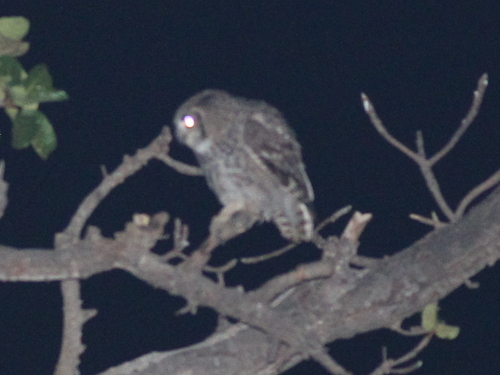 Arabian Eagle-Owl
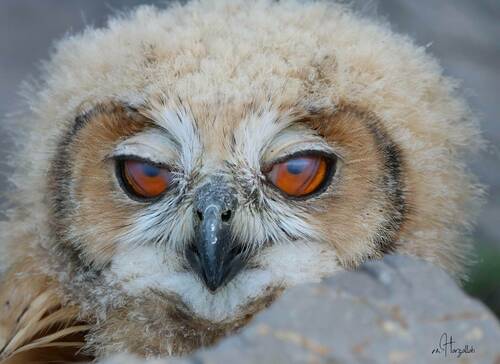 Pharaoh Eagle-Owl
In breve
Il segno di campo più affidabile tra Arabian Eagle-Owl e Pharaoh Eagle-Owl è il colore degli occhi: l'Arabian Eagle-Owl ha occhi gialli brillanti, mentre il Pharaoh Eagle-Owl mostra grandi occhi arancio-gialli. Entrambe le specie sono gufi aquilini di dimensioni medie con ciuffi auricolari prominenti e una struttura complessiva simile, ma l'Arabian Eagle-Owl è leggermente più piccolo e ha un piumaggio più scuro. Sul campo, le sottili differenze nel colore complessivo e nel colore degli occhi sono fondamentali, poiché le loro forme e comportamenti sono molto simili. L'habitat può aiutare: l'Arabian Eagle-Owl è limitato alla Penisola Arabica, mentre il Pharaoh Eagle-Owl si trova più a nord e a ovest nel Medio Oriente e nel Nord Africa.
Consigli di identificazione
- Eye Color: L'Arabian Eagle-Owl ha occhi gialli brillanti, mentre gli occhi del Pharaoh Eagle-Owl sono grandi e arancio-gialli. Questo è il segno di campo più affidabile se visto bene in buona luce.
- Overall Plumage Tone: L'Arabian Eagle-Owl è leggermente più scuro nel complesso, con toni più cupi, mentre il Pharaoh Eagle-Owl è più chiaro e sabbioso, specialmente nelle parti inferiori. Questa differenza è sottile e meglio giudicata in confronto diretto o in buona luce.
- Underparts Pattern: Il Pharaoh Eagle-Owl mostra parti inferiori di un bianco cremoso pallido con striature nere sul petto superiore e fini vermicolazioni rosso-brune sul petto inferiore e sull'addome. Le parti inferiori dell'Arabian Eagle-Owl sono meno distintamente marcate e appaiono più scure nel complesso.
- Facial Disc: Entrambe le specie hanno una struttura facciale a disco con un bordo scuro, ma questo non è un separatore affidabile tra i due.
- Ear-tufts: Entrambi hanno ciuffi auricolari prominenti; questa caratteristica non li separa.
- Bill: Entrambe le specie hanno un becco robusto, nero e ricurvo. Non utile per la separazione.
- Size: Il Pharaoh Eagle-Owl è leggermente più grande (46–50 cm), ma questo è difficile da giudicare a meno che entrambe le specie non siano viste fianco a fianco.
- Habitat and Range: L'Arabian Eagle-Owl è limitato alla Penisola Arabica e evita i deserti più aridi. Il Pharaoh Eagle-Owl si trova più a nord e a ovest, nel Nord Africa e nel Medio Oriente. Nella Penisola Arabica, un gufo aquilino di dimensioni medie in aree costiere rocciose o vegetate è più probabilmente un Arabian Eagle-Owl.
- Geographic Context: Se visto nel sud-ovest dell'Arabia Saudita, Yemen, Oman o UAE, l'Arabian Eagle-Owl è la specie attesa. Nel Nord Africa o nel più ampio Medio Oriente, il Pharaoh Eagle-Owl è più probabile.
- Juvenile/Immature Plumage: Non sono descritti segni distintivi specifici per età per nessuna delle due specie, quindi utilizzare i segni di campo degli adulti per tutte le età.
- Flight Views: Non sono descritte differenze diagnostiche nel modello di volo o nelle ali; entrambe mostrano una struttura e uno stile di volo tipici dei gufi aquilini.
- Perched Views: Concentrarsi sul colore degli occhi e sull'oscurità complessiva del piumaggio quando si osservano gli uccelli posati.
- Voice: Non sono descritte differenze vocali nelle note; non fare affidamento sulla voce per la separazione.
- Pitfalls: Entrambe le specie sono molto simili nella struttura e nell'aspetto generale. La scarsa illuminazione può rendere inaffidabile il colore degli occhi; cercare sempre di confermare con più caratteristiche.
- Sex and Season: Non sono descritte differenze di piumaggio stagionali o sessuali per nessuna delle due specie.
Taglia
Entrambe le specie sono gufi aquilini di dimensioni medie, ma l'Arabian Eagle-Owl è leggermente più piccolo del Pharaoh Eagle-Owl. Il Pharaoh Eagle-Owl è elencato a 46–50 cm di lunghezza, rendendolo uno dei gufi aquilini più piccoli, ma comunque un po' più grande dell'Arabian Eagle-Owl. Sul campo, la differenza di dimensioni è sottile e potrebbe non essere ovvia a meno che non siano viste fianco a fianco; entrambi hanno una corporatura robusta e potente tipica dei gufi Bubo. Non ci sono prove di un significativo dimorfismo sessuale nelle dimensioni per nessuna delle due specie.
Piumaggio
Non sono descritte differenze specifiche per età nel modello di volo o nelle ali per queste due specie, quindi la separazione si basa sul colore complessivo e sulle caratteristiche facciali in tutti i piumaggi. L'Arabian Eagle-Owl è leggermente più scuro nel complesso rispetto al Pharaoh Eagle-Owl, che tende ad avere un aspetto più chiaro e sabbioso con un bianco cremoso più esteso nelle parti inferiori. Le parti superiori del Pharaoh Eagle-Owl sono fulve con dense striature e macchie nere e bianche cremose, mentre le sue parti inferiori sono di un bianco cremoso pallido con striature nere sul petto superiore e fini vermicolazioni rosso-brune sotto. L'Arabian Eagle-Owl ha anche ciuffi auricolari prominenti e un disco facciale, ma i suoi occhi sono gialli brillanti (non arancio-gialli) e il suo piumaggio è generalmente più scuro. Entrambe le specie hanno un bordo scuro al disco facciale e un becco nero e ricurvo. I piumaggi giovanili e immaturi non sono descritti come distintivi tra i due, quindi questi segni si applicano a tutte le età.
Comportamento
Entrambe le specie sono cacciatori notturni con comportamenti simili tipici dei gufi aquilini: si posano silenziosamente durante il giorno e cacciano roditori e piccoli animali di notte. Entrambi usano i loro ciuffi auricolari prominenti e i dischi facciali per migliorare l'udito e la visione notturna. Non ci sono differenze comportamentali descritte che siano diagnostiche sul campo.
Habitat
L'Arabian Eagle-Owl è endemico della Penisola Arabica, specialmente nel sud-ovest dell'Arabia Saudita, Yemen, Oman e UAE, e si trova di solito in aree costiere, wadi, scogliere, pareti di canyon e grandi palme o alberi, evitando gli interni desertici più aridi. Il Pharaoh Eagle-Owl si trova nel Medio Oriente e nel Nord Africa, spesso in regioni aride o semi-aride, ma le note non specificano differenze di habitat su scala fine. Nelle aree di sovrapposizione, l'Arabian Eagle-Owl è più probabile in habitat costieri e vicino-costieri rocciosi o vegetati, mentre il Pharaoh Eagle-Owl può essere trovato in paesaggi desertici e semi-desertici più ampi.
Arabian Eagle-Owl · Pharaoh Eagle-Owl · I miei uccelli difficili