

arabian eagle-owl vs bufo-mourisco
Bubo milesi versus Bubo ascalaphus
Jogue um quiz com arabian eagle-owl e bufo-mourisco
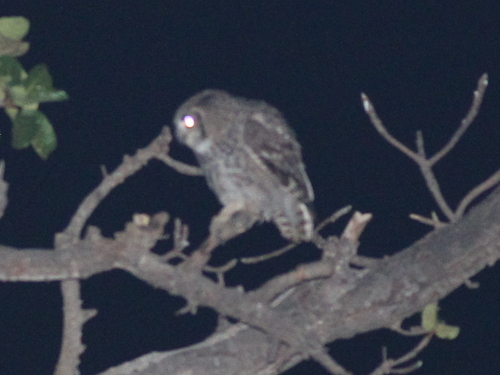 arabian eagle-owl
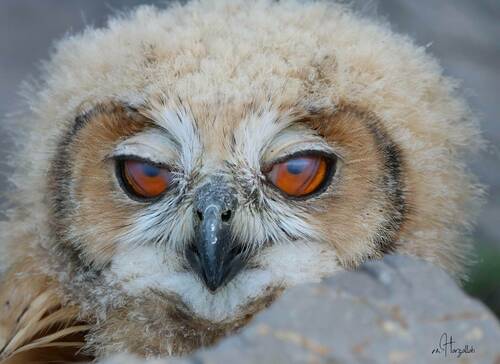 bufo-mourisco
Em resumo
A marca de campo mais confiável entre o bufo-mourisco e o arabian eagle-owl é a cor dos olhos: o arabian eagle-owl tem olhos amarelos brilhantes, enquanto o bufo-mourisco apresenta grandes olhos laranja-amarelados. Ambas as espécies são corujas de tamanho médio com tufos de orelha proeminentes e estrutura geral semelhante, mas o arabian eagle-owl é ligeiramente menor e tem plumagem mais escura. No campo, diferenças sutis na coloração geral e na cor dos olhos são fundamentais, pois suas formas e comportamentos são muito semelhantes. O habitat pode ajudar: o arabian eagle-owl é restrito à Península Arábica, enquanto o bufo-mourisco é encontrado mais ao norte e a oeste no Oriente Médio e no Norte da África.
Dicas de identificação
- Cor dos Olhos: O arabian eagle-owl tem olhos amarelos brilhantes, enquanto os olhos do bufo-mourisco são grandes e laranja-amarelados. Esta é a marca de campo mais confiável se vista bem em boa luz.
- Tom Geral da Plumagem: O arabian eagle-owl é ligeiramente mais escuro no geral, com tons mais sombrios, enquanto o bufo-mourisco é mais claro e arenoso, especialmente nas partes inferiores. Essa diferença é sutil e melhor avaliada em comparação direta ou em boa luz.
- Padrão das Partes Inferiores: O bufo-mourisco apresenta partes inferiores de um creme pálido com listras pretas na parte superior do peito e finas vermiculações marrom-avermelhadas na parte inferior do peito e na barriga. As partes inferiores do arabian eagle-owl são menos distintamente marcadas e parecem mais escuras no geral.
- Disco Facial: Ambas as espécies têm uma estrutura facial em forma de disco com uma borda escura, mas isso não é um separador confiável entre as duas.
- Tufos de Orelha: Ambas têm tufos de orelha proeminentes; essa característica não as separa.
- Bico: Ambas as espécies têm um bico robusto, preto e curvado. Não é útil para separação.
- Tamanho: O bufo-mourisco é ligeiramente maior (46–50 cm), mas isso é difícil de julgar a menos que ambas as espécies sejam vistas lado a lado.
- Habitat e Distribuição: O arabian eagle-owl é restrito à Península Arábica e evita os desertos mais áridos. O bufo-mourisco é encontrado mais ao norte e a oeste, no Norte da África e no Oriente Médio. Na Península Arábica, uma coruja de tamanho médio em áreas costeiras rochosas ou vegetadas é mais provavelmente um arabian eagle-owl.
- Contexto Geográfico: Se visto no sudoeste da Arábia Saudita, Iémen, Omã ou Emirados Árabes Unidos, o arabian eagle-owl é a espécie esperada. No Norte da África ou no amplo Oriente Médio, o bufo-mourisco é mais provável.
- Plumagem Juvenil/Imatura: Nenhuma marca distintiva específica de idade é descrita para ambas as espécies, então use marcas de campo de adultos para todas as idades.
- Visões em Voo: Nenhuma diferença diagnóstica no padrão de asas ou voo é descrita; ambas mostram a estrutura típica de corujas e estilo de voo.
- Visões Empoleiradas: Foque na cor dos olhos e na escuridão geral da plumagem ao observar aves empoleiradas.
- Voz: Nenhuma diferença vocal é descrita nas notas; não confie na voz para separação.
- Armadilhas: Ambas as espécies são muito semelhantes em estrutura e aparência geral. Luz fraca pode tornar a cor dos olhos não confiável; sempre tente confirmar com múltiplas características.
- Sexo e Estação: Nenhuma diferença de plumagem sazonal ou sexual é descrita para ambas as espécies.
Tamanho
Ambas as espécies são corujas de tamanho médio, mas o arabian eagle-owl é ligeiramente menor que o bufo-mourisco. O bufo-mourisco é listado com 46–50 cm de comprimento, tornando-se uma das corujas menores, mas ainda um pouco maior que o arabian eagle-owl. No campo, a diferença de tamanho é sutil e pode não ser óbvia a menos que vistas lado a lado; ambas têm uma constituição robusta e poderosa típica das corujas do gênero Bubo. Não há evidências de dimorfismo sexual significativo em tamanho para ambas as espécies.
Plumagem
Nenhuma diferença específica de idade no padrão de asas ou voo é descrita para essas duas espécies, então a separação depende da coloração geral e das características faciais em todas as plumagens. O arabian eagle-owl é ligeiramente mais escuro no geral que o bufo-mourisco, que tende a ter uma aparência mais clara e arenosa com uma maior extensão de creme pálido nas partes inferiores. As partes superiores do bufo-mourisco são cor de fulvo com densas listras e manchas pretas e creme, enquanto suas partes inferiores são de um creme pálido com listras pretas na parte superior do peito e finas vermiculações marrom-avermelhadas abaixo. O arabian eagle-owl também tem tufos de orelha proeminentes e um disco facial, mas seus olhos são amarelos brilhantes (não laranja-amarelados), e sua plumagem é geralmente mais escura. Ambas as espécies têm uma borda escura no disco facial e um bico preto e curvado. Plumagens juvenis e imaturas não são descritas como distintivas entre as duas, então essas marcas se aplicam a todas as idades.
Comportamento
Ambas as espécies são caçadoras noturnas com comportamentos semelhantes típicos das corujas: elas se empoleiram silenciosamente durante o dia e caçam roedores e pequenos animais à noite. Ambas usam seus tufos de orelha proeminentes e discos faciais para melhorar a audição e a visão noturna. Não há diferenças comportamentais descritas que sejam diagnósticas no campo.
Habitat
O arabian eagle-owl é endêmico da Península Arábica, especialmente do sudoeste da Arábia Saudita, Iémen, Omã e Emirados Árabes Unidos, e geralmente é encontrado em áreas costeiras, wadis, penhascos, paredes de cânions e grandes palmeiras ou árvores, evitando os interiores mais áridos do deserto. O bufo-mourisco é encontrado no Oriente Médio e no Norte da África, muitas vezes em regiões áridas ou semiáridas, mas as notas não especificam diferenças de habitat em escala fina. Em áreas de sobreposição, o arabian eagle-owl é mais provável em habitats costeiros rochosos ou vegetados e próximos à costa, enquanto o bufo-mourisco pode ser encontrado em paisagens desérticas e semi-desérticas mais amplas.