
Sterna codalunga vs Antarctic Tern
Sterna paradisaea contro Sterna vittata
Fai un quiz con Sterna codalunga e Antarctic Tern
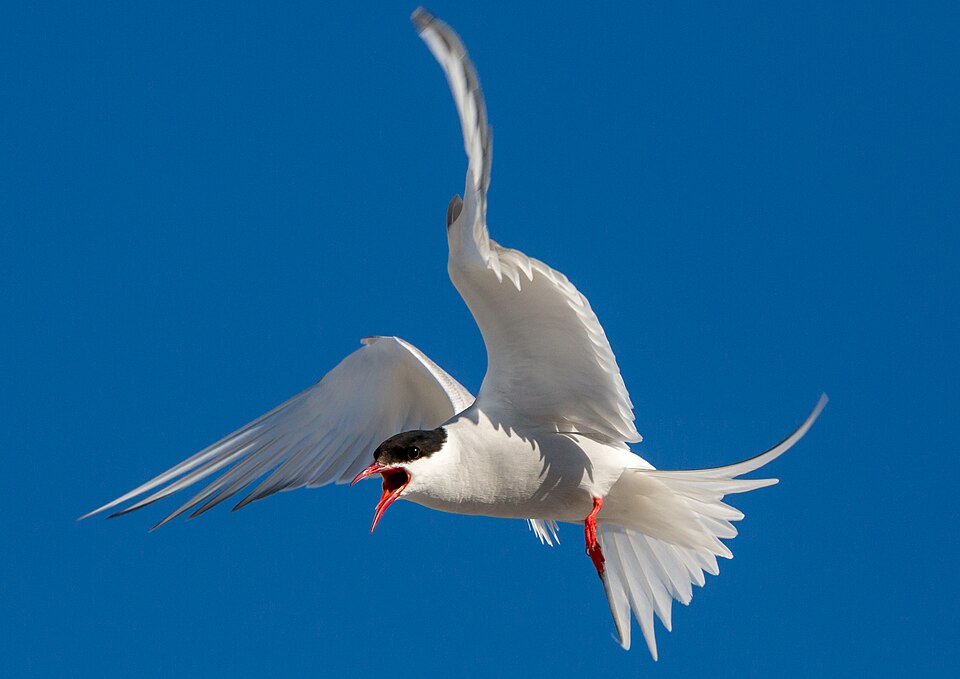 Sterna codalunga
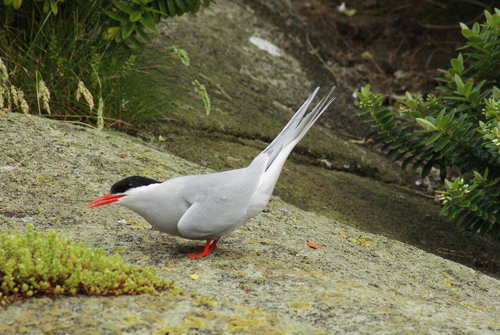 Antarctic Tern
In breve
Il segno di campo più affidabile tra Sterna codalunga e Antarctic Tern è il motivo delle ali superiori e il colore del becco negli adulti e nei giovani, ma è necessario considerare età e stagione. I giovani Sterna codalunga mostrano una distintiva barra carpale scura e un'ala superiore 'squamosa', mentre i giovani Antarctic Tern hanno macchie giallo-brune e mancano della forte barra carpale. Negli adulti in riproduzione, entrambe le specie sono simili, ma Sterna codalunga è leggermente più snella con un becco più corto e punte delle ali più traslucide; Antarctic Tern è più robusta con un becco più pesante e lungo. Gli uccelli non in riproduzione sono meglio separati dal contesto, poiché gli Antarctic Tern sono in abito nuziale quando gli Sterna codalunga sono in abito non nuziale. Il colore del becco e delle gambe, la lunghezza della coda e le differenze sottili nel motivo delle ali sono fondamentali, ma attenzione alla sovrapposizione e alla necessità di buone visuali.
Consigli di identificazione
- Motivo delle ali superiori nei giovani: I giovani Sterna codalunga mostrano una forte barra carpale scura e un'ala superiore/squamosa; i giovani Antarctic Tern sono più maculati bruni, privi della barra carpale, con macchie giallo-brune.
- Colore del becco (adulti): In stagione di riproduzione, Sterna codalunga ha un becco più corto, snello e uniformemente rosso sangue; il becco di Antarctic Tern è più pesante, lungo e rosso brillante. In non riproduzione, il becco di Sterna codalunga scurisce a nero, quello di Antarctic Tern diventa rosso scuro.
- Colore e lunghezza delle gambe: Entrambi hanno gambe rosse in abito nuziale, ma quelle di Sterna codalunga sono più corte e scure; quelle di Antarctic Tern sono più luminose e lunghe. In non riproduzione, le gambe di entrambe le specie scuriscono, ma quelle di Antarctic Tern rimangono rosso opaco.
- Forma e lunghezza della coda: Le streamers della coda di Sterna codalunga sono più lunghe e più profondamente forked, specialmente negli adulti. La coda di Antarctic Tern è anch'essa profondamente forked ma appare più corta e meno delicata.
- Motivo delle punte delle ali (adulti): Sterna codalunga mostra margini neri più prominenti sulle primarie esterne e un'area più traslucida vicino alla punta dell'ala. Le punte delle ali di Antarctic Tern sono meno traslucide e mancano del forte margine nero.
- Struttura del corpo: Sterna codalunga è più snella e più delicata; Antarctic Tern è più robusta e corpulenta, con un becco e una testa più robusti.
- Contesto stagionale: Nell'estate meridionale, Antarctic Tern è in pieno abito nuziale mentre Sterna codalunga (se presente) è in abito non nuziale. Usalo a tuo vantaggio se conosci il periodo dell'anno e la posizione.
- Motivo facciale (non riproduzione): Sterna codalunga perde gran parte della sua cappellina nera, mantenendo una fronte bianca; la cappellina di Antarctic Tern si ritira in una banda nera dietro l'occhio.
- Faccia e parti inferiori nei giovani: I giovani Sterna codalunga hanno una corona anteriore più bianca e parti inferiori grigie chiare; i giovani Antarctic Tern hanno una pancia e un petto giallo-bruno.
- Habitat e distribuzione: Sterna codalunga si trova nell'emisfero settentrionale durante la riproduzione, Antarctic Tern solo negli oceani meridionali. Se vista nell'Artico o subartico, è Sterna codalunga; se su isole antartiche, controlla l'abito e la stagione.
- Stile di volo: Sterna codalunga appare più galleggiante e fluttuante, con streamers della coda più lunghe; Antarctic Tern è più robusta in volo.
- Vocalizzazioni: Il richiamo di Sterna codalunga è nasale e raspante; quello di Antarctic Tern è più acuto e trillato, ma questo è sottile e meglio usato con esperienza.
- Dimensione della colonia: Sterna codalunga spesso nidifica in colonie più grandi; Antarctic Tern di solito in gruppi più piccoli o coppie, anche se si verificano grandi colonie.
- Trappola: Gli adulti non in riproduzione di entrambe le specie possono apparire simili; usa la struttura, il colore del becco/gambe e il contesto per la separazione.
- Variazione delle sottospecie: Antarctic Tern mostra alcune variazioni in dimensione e tono di piumaggio per sottospecie, ma queste sono sottili e di solito non diagnostiche sul campo.
Taglia
Antarctic Tern è costantemente più pesante (media 139 g) rispetto a Sterna codalunga (media 114 g) [wikidata]. Antarctic Tern è anche leggermente più lunga (35–40 cm vs. 33–36 cm) ma ha un'apertura alare leggermente più corta (74–79 cm vs. 76–85 cm). Sul campo, Antarctic Tern appare spesso più robusta e corpulenta, specialmente nel corpo e nel becco, mentre Sterna codalunga appare più snella e delicata. Queste differenze sono sottili e possono essere difficili da giudicare a meno che entrambe le specie non siano viste insieme.
Piumaggio
- Giovani/immaturi:
- Sterna codalunga: Mostra una distintiva barra carpale scura sull'ala superiore, un aspetto 'squamoso' del mantello e delle ali a causa delle punte delle piume scure, becco e gambe neri, streamers della coda corti e una corona anteriore più bianca nel primo estate. L'ala superiore è grigia chiara con un'area traslucida vicino alla punta.
- Antarctic Tern: I giovani hanno macchie giallo-brune, grigie e bianche sulla schiena, pancia e petto giallo-bruno, becco nero opaco e gambe rosso opaco. Nessun riferimento a una forte barra carpale o a un motivo dell'ala superiore squamoso. L'impressione generale è più maculata e bruna rispetto ai giovani Sterna codalunga.
- Adulti (riproduzione):
- Entrambi hanno parti superiori grigie chiare, guance bianche, cappellina nera e coda bianca profondamente forked. Sterna codalunga ha un becco e piedi rosso sangue, gambe più corte e un'area più traslucida vicino alla punta dell'ala; Antarctic Tern ha un becco e gambe più pesanti, lunghi e rossi brillanti, ed è complessivamente più robusta. Le primarie esterne di Sterna codalunga hanno margini neri più prominenti.
- Adulti (non riproduzione):
- Sterna codalunga: La corona diventa più bianca, il becco e le gambe scuriscono a nero.
- Antarctic Tern: Cappellina nera ridotta a una banda dietro l'occhio, il becco diventa rosso scuro, le parti inferiori più chiare.
- Differenza chiave: Antarctic Tern è in abito nuziale durante l'estate meridionale quando Sterna codalunga è in abito non nuziale, quindi il contesto e la stagione sono importanti.
Comportamento
Entrambe le specie sono volatori agili e galleggianti con un volo elegante, simile a quello delle sterne. Sterna codalunga è famosa per la sua migrazione a lungo raggio estrema, mentre Antarctic Tern è più sedentaria, rimanendo vicino ai suoi terreni di riproduzione tutto l'anno. Antarctic Tern è spesso vista in piccole colonie sparse o come coppie isolate, mentre Sterna codalunga può formare grandi colonie. In volo, Sterna codalunga può apparire più delicata e galleggiante, con streamers della coda più lunghe e uno stile di volo più fluttuante, mentre Antarctic Tern può apparire più robusta.
Habitat
Sterna codalunga nidifica nell'Artico alto e subartico, spesso su tundra, coste rocciose o isole, e migra verso l'Antartide per l'estate meridionale. Antarctic Tern è residente negli oceani meridionali, nidificando su piccole isole e coste del continente antartico, spesso su scogliere, morene o spiagge. Se vista nell'emisfero settentrionale al di fuori dell'Antartide, è quasi certamente Sterna codalunga; nel profondo sud, controlla attentamente l'abito e la stagione.
Voce
Sterna codalunga emette un richiamo nasale e raspante, specialmente in allerta o in mostra, che è distinto dai richiami più acuti e trillati 'trr-trr-kriah' e 'chrrrr' di Antarctic Tern. Tuttavia, i richiami sono abbastanza simili da non essere il segno di campo più affidabile a meno che non siano ben noti.
Sterna codalunga · Antarctic Tern · I miei uccelli difficili