

Black Baza vs Ayres's Hawk-Eagle
Aviceda leuphotes contro Hieraaetus ayresii
Fai un quiz con Black Baza e Ayres's Hawk-Eagle
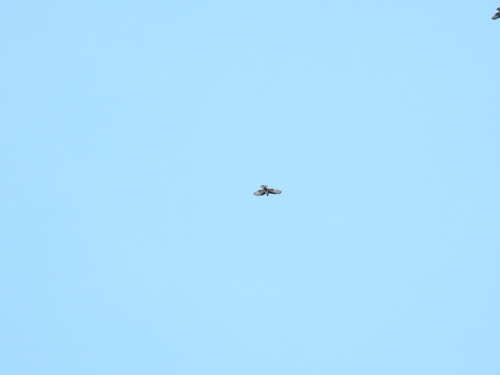 Black Baza
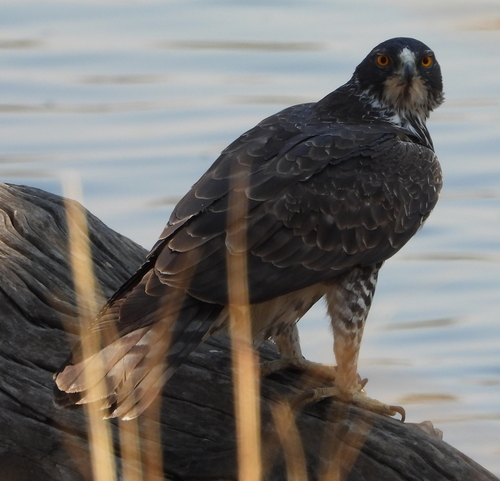 Ayres's Hawk-Eagle
In breve
Il segno distintivo più affidabile per separare il Black Baza dall'Ayres's Hawk-Eagle è la dimensione e la struttura complessiva: il Black Baza è un rapace molto più piccolo e compatto con una cresta eretta prominente, mentre l'Ayres's Hawk-Eagle è un'aquila di dimensioni medie con una coda più lunga, ali più lunghe e una postura più potente e verticale. In volo, il Black Baza appare simile a un corvo e spesso viaggia in piccoli gruppi, mentre l'Ayres's Hawk-Eagle vola singolarmente o in coppie con una silhouette classica da aquila. L'Ayres's Hawk-Eagle giovane è marrone sopra e bianco sotto con marcature sparse, privo del contrasto bianco e nero sorprendente dell'adulto Black Baza. In perching, le scapolari bianche audaci e le barre castane del Black Baza (soprattutto nelle femmine) sono uniche, mentre l'Ayres's Hawk-Eagle mostra un aspetto più maculato e striato. Anche l'habitat differisce: il Black Baza è un rapace forestale asiatico spesso visto in gruppi misti, mentre l'Ayres's Hawk-Eagle è una specie forestale africana.
Consigli di identificazione
- La dimensione è l'indizio più immediato: L'Ayres's Hawk-Eagle è molto più grande e massiccio del Black Baza. Se vedi un rapace delle dimensioni di una piccola aquila, non è un Black Baza.
- Forma della cresta e postura: Il Black Baza ha una cresta eretta prominente che è sempre evidente quando è in perching. L'Ayres's Hawk-Eagle ha una piccola cresta, a volte pronunciata, ma non è mai così eretta o folta come quella del Baza.
- Proporzioni delle ali e della coda: Il Black Baza ha ali corte e larghe e una coda corta, dando una silhouette compatta e simile a un corvo in volo. L'Ayres's Hawk-Eagle ha ali più lunghe e una coda più lunga e squadrata, tipica delle aquile.
- Stile di volo: Il Black Baza vola spesso in piccoli gruppi, con un volo agile e simile a un corvo. L'Ayres's Hawk-Eagle vola singolarmente o in coppie, con battiti d'ali lenti e potenti e lunghi planate.
- Schema delle ali superiori (tutte le età): Il Black Baza mostra macchie bianche audaci sulle scapolari e sulle secondarie (soprattutto nei maschi), creando un'ala in bianco e nero ad alto contrasto. L'Ayres's Hawk-Eagle (inclusi i giovani) non presenta pannelli bianchi simili, mostrando invece un'ala superiore scura più uniforme con alcune maculature negli adulti.
- Parti inferiori: I maschi di Black Baza sono per lo più neri con alcune macchie bianche e castane; le femmine hanno più barre castane sotto. Gli adulti di Ayres's Hawk-Eagle sono bianchi sotto con pesanti macchie e macchie marroni scure, senza mai mostrare le bande castane pulite e audaci delle femmine di Baza.
- Confusione giovanile: Il giovane Ayres's Hawk-Eagle è marrone sopra, bianco sotto con marcature marroni sparse; non ha scapolari bianche audaci o pannelli d'ala contrastanti. Il giovane Black Baza non è descritto qui, ma tutte le età sono più sorprendentemente decorate rispetto ai giovani dell'Ayres's Hawk-Eagle.
- Schema della coda: L'Ayres's Hawk-Eagle ha una coda grigia cenere con una punta nera larga e 3-4 barre scure più strette. Lo schema della coda del Black Baza non è descritto in dettaglio, ma non è così marcato.
- Becco e piedi: Il Black Baza ha gambe e piedi corti e robusti con artigli forti, e un becco con due indentazioni simili a denti (non visibili a distanza). L'Ayres's Hawk-Eagle ha un becco da aquila più potente e gambe ben piumate.
- Aspetto in perching: Il Black Baza si posiziona eretto, spesso con la cresta sollevata e le scapolari bianche evidenti. L'Ayres's Hawk-Eagle si posiziona più orizzontalmente, con una coda più lunga e una cresta meno evidente.
- Dimensione del gruppo: Il comportamento di stormo è un indizio forte: il Black Baza è spesso in gruppi, specialmente durante la migrazione. L'Ayres's Hawk-Eagle è solitario o in coppie.
- Habitat e distribuzione: Il Black Baza si trova solo in Asia, in aree boschive o boscose, a volte in parchi urbani durante la migrazione. L'Ayres's Hawk-Eagle si trova solo in Africa, in boschi e bordi forestali.
- Voce: Se senti un 'chu-weep' o un miagolio simile a quello di un gabbiano, sospetta il Black Baza. L'Ayres's Hawk-Eagle non è noto per chiamate simili.
- Differenze sessuali: La femmina di Black Baza ha più barre castane sotto e meno bianco nell'ala rispetto al maschio; le femmine di Ayres's Hawk-Eagle sono più grandi, più scure e più densamente macchiate rispetto ai maschi, ma entrambi i sessi sono molto più grandi di qualsiasi Baza.
- Confusione melanistica: L'Ayres's Hawk-Eagle melanistico è per lo più nero con marcature bianche, ma è ancora molto più grande e strutturalmente diverso dal Black Baza, e manca delle audaci scapolari bianche e della cresta.
Taglia
L'Ayres's Hawk-Eagle è drammaticamente più grande del Black Baza. L'adulto Ayres's Hawk-Eagle pesa in media circa 839,5 g [wikidata], con una lunghezza di 44-57 cm e un'apertura alare di 106-137 cm [wikipedia]. Al contrario, il Black Baza è molto più piccolo, lungo 30-35 cm, con un'apertura alare di 66-80 cm e un peso di 168-224 g [wikipedia]. Anche il più piccolo Ayres's Hawk-Eagle è diverse volte più pesante e lungo del più grande Black Baza. Sul campo, questa differenza di dimensione è inconfondibile se vista fianco a fianco o con rapaci familiari per scala.
Piumaggio
Gli uccelli giovani e immaturi sono spesso confusi, quindi concentrati prima su queste età:
- Giovane Ayres's Hawk-Eagle è marrone scuro sopra, con una parte inferiore bianca marcata in modo sparso con marrone. L'ala superiore è uniformemente scura, priva di macchie bianche audaci o pannelli contrastanti. Man mano che matura, le parti inferiori diventano più scure e marroni prima che appaia il piumaggio adulto.
- Black Baza (tutte le età) è molto più audacemente decorato: gli adulti (soprattutto i maschi) mostrano scapolari bianche sorprendenti, copritrici secondarie e secondarie, con una cresta eretta prominente. Le femmine hanno più barre castane sotto e meno bianco nell'ala. In volo, il Black Baza mostra una forma d'ala compatta e simile a un corvo con un forte contrasto bianco e nero, soprattutto sull'ala superiore. Il giovane Black Baza non è descritto in dettaglio qui, ma la specie è sempre più contrastante e decorata rispetto a qualsiasi età dell'Ayres's Hawk-Eagle.
Adulti:
- Maschi di Black Baza: scapolari e secondarie bianche audaci, corpo nero, cresta eretta.
- Femmine di Black Baza: simili ma con più barre castane sotto, meno bianco nell'ala.
- Ayres's Hawk-Eagle: parti superiori nerastre con maculature bianche, coda grigia cenere con barre nere, parti inferiori bianche pesantemente macchiate di marrone scuro, copritrici inferiori marroni con bianco, e una piccola (a volte pronunciata) cresta. La fase melanistica è per lo più nera con marcature bianche, ma è ancora molto più grande e di forma diversa rispetto al Black Baza.
Comportamento
Il Black Baza è spesso visto in piccoli gruppi o stormi, specialmente durante la migrazione, ed è gregario nei luoghi di sosta. È in parte crepuscolare, più attivo al crepuscolo o in condizioni meteorologiche nuvolose, e spesso si unisce a stormi misti di foraggiamento. La sua alimentazione è agile e acrobatica, catturando insetti in attacchi aerei o raccogliendoli dalla vegetazione con i piedi.
L'Ayres's Hawk-Eagle, al contrario, è un cacciatore solitario o in coppia, che vola o si posiziona in alto per cercare prede. Non è gregario e non si unisce a stormi misti. Il suo stile di caccia è più tipico delle aquile: osservare da un posatoio o volare in alto, per poi tuffarsi su uccelli o piccoli mammiferi.
Habitat
Il Black Baza è un rapace forestale asiatico, trovato nelle foreste del Nordest dell'India, dell'Himalaya orientale, della Cina e del Sud-est asiatico. È migratorio in alcune parti della sua area, svernando nell'India peninsulare e nello Sri Lanka, ed è spesso visto in habitat boschivi, a volte vicino a parchi metropolitani durante la migrazione o l'inverno.
L'Ayres's Hawk-Eagle è nativo delle foreste africane e non si trova mai in Asia. Preferisce boschi aperti e bordi forestali, avventurandosi raramente in foreste dense o parchi urbani. Pertanto, la distribuzione e l'habitat sono indizi forti: Black Baza in Asia, Ayres's Hawk-Eagle in Africa.
Voce
Il Black Baza emette un richiamo 'chu-weep', simile a quello di un grande cuculo, oltre a fischi morbidi, fischi e un miagolio acuto simile a quello di un gabbiano. Le vocalizzazioni dell'Ayres's Hawk-Eagle non sono descritte in dettaglio qui, ma non sono note per essere simili a quelle del Black Baza.