

Black-naped Tern vs Tahiti Petrel
Sterna sumatrana contro Pseudobulweria rostrata
Fai un quiz con Black-naped Tern e Tahiti Petrel
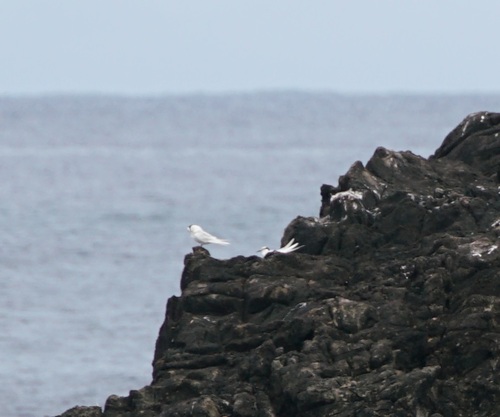 Black-naped Tern
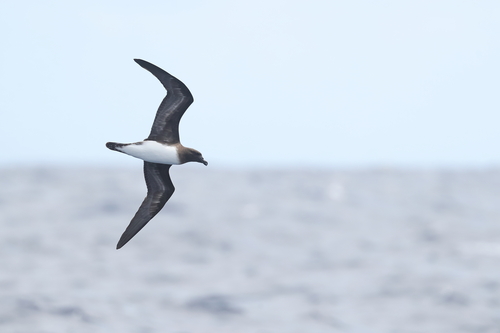 Tahiti Petrel
In breve
Il modo più affidabile per separare il Black-naped Tern dal Tahiti Petrel è attraverso il colore e la struttura complessivi: il Black-naped Tern è un uccello snello, per lo più bianco, con una distintiva banda nera sulla nuca e una coda profondamente biforcuta, mentre il Tahiti Petrel è un uccello marino molto più grande e massiccio con parti superiori di colore marrone scuro, un ventre bianco e una coda a forma di cuneo. In volo, il tern mostra ali grigio argento e lunghe penne della coda che fluttuano, mentre il petrel appare scuro sopra con ali lunghe e dritte e un corpo bianco. Anche a distanza, il piumaggio bianco del tern e la sua costruzione elegante contrastano nettamente con l'aspetto più massiccio e scuro del petrel. Entrambe le specie possono essere viste sopra le acque tropicali del Pacifico, ma le loro dimensioni, forma e colorazione sono indiscutibilmente diverse.
Consigli di identificazione
- Overall color: Il Black-naped Tern è quasi completamente bianco con ali grigio chiaro, mentre il Tahiti Petrel è marrone scuro sopra con un ventre bianco. Questa è la differenza più ovvia a qualsiasi distanza.
- Nape mark: Cerca la sottile linea nera che corre dall'occhio attorno alla nuca sul tern; il Tahiti Petrel non presenta segni facciali o sulla nuca.
- Tail shape: Il Black-naped Tern ha una coda profondamente biforcuta e completamente bianca che si estende ben oltre le punte delle ali quando è posato. La coda del Tahiti Petrel è a forma di cuneo e non si proietta oltre le ali.
- Wing shape and flight: Le ali del tern sono lunghe, snelle e appuntite, dando un volo galleggiante e fluttuante. Le ali del petrel sono lunghe e strette ma tenute dritte, con un volo più pesante e planante che ricorda un albatros.
- Bill shape: Il Black-naped Tern ha un becco nero, dritto e snello; il becco del Tahiti Petrel è spesso, nero e bulboso alla base.
- Leg color: Entrambi hanno zampe nere, ma quelle del tern sono più visibili quando è posato; i petrel sono raramente visti posati in vista.
- Underwing pattern: Il Tahiti Petrel ha una sottile linea bianca lungo l'ala inferiore, ma questa è sottile e non sempre visibile; le ali inferiori del Black-naped Tern sono per lo più bianche con grigio chiaro, senza linee scure o audaci.
- Perched posture: Se visto posato, la coda del tern si estenderà ben oltre le ali e l'uccello apparirà snello e dritto. I petrel sono raramente visti posati, tranne che nei siti di nidificazione.
- Size: Il petrel è molto più grande e massiccio; se visti insieme, la differenza è sorprendente.
- Habitat context: I tern sono solitamente visti vicino a isole, scogliere o acque costiere; i petrel sono più propensi a essere visti al largo.
- Head and neck: Il Tahiti Petrel ha una testa piccola e un collo lungo rispetto al suo corpo, con un aspetto scuro e cappucciato; il tern ha una testa proporzionalmente più piccola e affusolata con un viso bianco pulito.
- Jizz: Il tern è agile, galleggiante e spesso si libra; il petrel è stabile, planante e raramente si libra.
- Plumage pitfalls: A grande distanza, un tern in ombra può apparire più scuro, ma la struttura e la forma della coda li separeranno comunque. Al contrario, un petrel in forte luce può mostrare un ventre più chiaro, ma le parti superiori scure e la coda a forma di cuneo sono distintive.
- Juvenile confusion: Il giovane Tahiti Petrel è simile all'adulto e non mostra la nuca bianca o la coda del tern; il giovane Black-naped Tern è improbabile che venga confuso a causa del suo aspetto più chiaro e maculato alla schiusa, e acquisisce rapidamente un piumaggio simile a quello degli adulti.
- Bill size at range: Anche a distanza, il becco del petrel appare spesso e pesante, mentre quello del tern è simile a un ago.
Taglia
Il Black-naped Tern è molto più piccolo e leggero (massa corporea ~106 g, lunghezza 30–35 cm, apertura alare 66 cm) rispetto al Tahiti Petrel (massa corporea 315–506 g, lunghezza 38–42 cm, apertura alare ~104,5 cm). Il petrel è quasi tre o cinque volte più pesante, con un'apertura alare molto più ampia e un corpo più massiccio e robusto. Il tern è snello, delicato e con una lunga coda, mentre il petrel è costruito solidamente con una testa e un corpo proporzionalmente più grandi.
Piumaggio
- Juvenile/immature birds: Non è descritta alcuna caratteristica distintiva delle ali superiori per i giovani di entrambe le specie che possa aiutare nella separazione; entrambi sono simili agli adulti nel modello generale, sebbene i pulcini di Black-naped Tern siano marrone maculato e non siano probabilmente confusi sul campo.
- Adults: Il Black-naped Tern è quasi completamente bianco, con ali grigio chiaro e una sottile linea nera che inizia dall'occhio e corre attorno alla nuca. L'unico scuro sulle ali è un sottile bordo nero sulla primarie più esterna. La coda è completamente bianca e profondamente biforcuta, estendendosi ben oltre le punte delle ali quando è posato. Gli adulti del Tahiti Petrel sono per lo più marrone scuro sopra con un cappuccio più scuro, un dorso più chiaro e un addome bianco. Le ali inferiori sono scure con una sottile linea bianca lungo il centro e penne da volo leggermente più chiare. La coda è a forma di cuneo e non è così profondamente biforcuta come quella del tern. Il becco del petrel è nero, robusto e bulboso, a differenza del becco nero snello del tern.
Comportamento
Il Black-naped Tern è agile e galleggiante in volo, spesso visto librarsi o tuffarsi vicino all'acqua, con ali lunghe e snelle e una coda profondamente biforcuta che gli conferisce un aspetto elegante e simile a un tern. Spesso si posa su rocce o boe, con la coda che si estende ben oltre le punte delle ali. Il Tahiti Petrel, al contrario, ha un volo più pesante e più deciso, con ali lunghe e strette tenute dritte dal corpo (quasi simile a un albatros) e una coda a forma di cuneo. Il petrel raramente si posa in vista in mare ed è più probabile che venga visto planare o scivolare basso sull'acqua.
Habitat
Entrambe le specie sono oceaniche e si trovano sopra le acque tropicali del Pacifico, ma il Black-naped Tern è strettamente costiero, raramente visto lontano da isole o scogliere, e quasi mai nell'entroterra. Nidifica e si riposa su piccole isolette rocciose. Il Tahiti Petrel è una vera specie pelagica, spesso vista lontano dalla terra, e nidifica in isole montuose remote. Se un uccello viene visto vicino alla costa, specialmente posato, è più probabile che sia un tern; i petrel non vengono quasi mai visti riposare su rocce o spiagge.