

Blue-and-white Flycatcher vs Zappey's Flycatcher
Cyanoptila cyanomelana contro Cyanoptila cumatilis
Fai un quiz con Blue-and-white Flycatcher e Zappey's Flycatcher
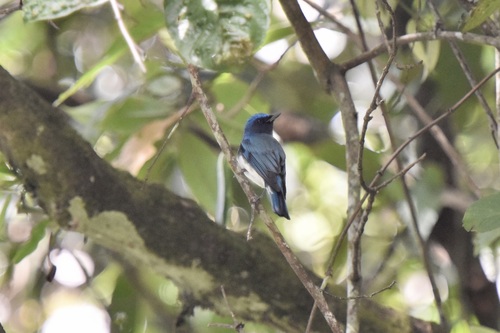 Blue-and-white Flycatcher
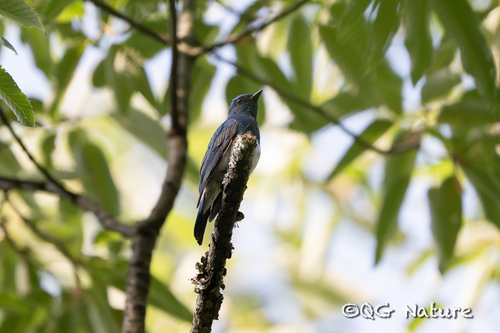 Zappey's Flycatcher
In breve
Il segno di campo più affidabile tra Blue-and-white Flycatcher e Zappey's Flycatcher è la tonalità e l'ombra di blu nei maschi adulti: Blue-and-white mostra un blu cobalto profondo e intenso, mentre Zappey's è di un blu turchese più verde. Entrambe le specie sono molto simili in dimensioni e struttura, e le femmine e gli immaturi sono particolarmente difficili da distinguere, ma i maschi di Zappey's hanno una tonalità di blu più verde e un pattern del viso e del petto leggermente diverso. I maschi immaturi di entrambe le specie mostrano ali blu ma altrimenti hanno un piumaggio bruno, rendendo difficile la separazione a questa età. Un'attenta attenzione alla tonalità precisa di blu e all'estensione del nero o nero-verde sul viso e sul petto superiore è fondamentale per i maschi adulti; per le femmine e gli immaturi, la separazione affidabile sul campo è estremamente difficile e spesso non è possibile senza un confronto diretto o un contesto di distribuzione.
Consigli di identificazione
- Tono blu del maschio adulto: I maschi di Blue-and-white Flycatcher sono di un blu cobalto profondo e intenso, mentre i maschi di Zappey's sono più verdi, con una tonalità blu turchese. Questo è il segno di campo più affidabile per i maschi adulti in buona luce.
- Colore del viso e del petto (maschi adulti): Blue-and-white mostra nero sul viso e sul petto superiore, mentre Zappey's ha nero-verde in queste aree. La differenza è sottile ma può essere vista in un confronto diretto.
- Macchie alla base della coda: Entrambe le specie hanno bianco alla base delle penne della coda esterna, ma Zappey's ha due piccole macchie bianche sui lati, mentre Blue-and-white ha una macchia singola più prominente. Questo è un segno minore e non sempre visibile.
- Colore dei fianchi (maschi adulti): I maschi di Zappey's possono mostrare fianchi leggermente grigi, mentre quelli di Blue-and-white sono nerognoli sui fianchi. Questo è sottile e spesso difficile da giudicare.
- Confusione tra femmine e immaturi: Le femmine e i maschi immaturi di entrambe le specie sono molto simili—grigio-bruni sopra, chiari sotto, con una gola bianca o chiara. Le femmine di Blue-and-white possono apparire leggermente con una testa più piccola, ma questo non è un segno di campo forte.
- Pattern del maschio immaturo: I maschi immaturi di entrambe le specie hanno ali blu, groppa e coda come i maschi adulti, ma testa e mantello bruno o grigio-bruno, e gola bianca come le femmine, rendendoli molto difficili da separare sul campo. Non ci sono differenze descritte nei pattern delle ali superiori o nel pattern di volo per queste età, quindi la separazione non è affidabile sul campo.
- Struttura e dimensioni: Entrambe le specie sono grandi, robusti flycatcher con proporzioni e struttura simili. Non fare affidamento su dimensioni o forma per la separazione.
- Becco e zampe: Entrambi hanno becchi e zampe di grigio scuro a nero; queste caratteristiche non separano le specie.
- Canto e richiami: Solo il canto di Blue-and-white è descritto (fischi malinconici); quello di Zappey's non è dettagliato, quindi non utilizzare la voce per la separazione a meno che la conoscenza locale non fornisca ulteriori informazioni.
- Contesto di distribuzione: Se ti trovi in Giappone, Corea o nell'Estremo Oriente russo durante la stagione di nidificazione, ci si aspetta Blue-and-white; nella Cina centrale, Zappey's è più probabile. Durante la migrazione, entrambe possono verificarsi insieme, e la distribuzione non è un separatore affidabile.
- Contesto stagionale: Entrambe le specie sono migratorie e possono sovrapporsi durante il passaggio, quindi non fare affidamento solo sulla stagione.
- Trappole per il sesso: I giovani maschi possono sembrare femmine, e entrambi possono confondersi tra loro. Solo i maschi adulti in piumaggio fresco sono separati in modo affidabile dal tono di colore.
- Condizioni di illuminazione: La differenza nel tono di blu è meglio visibile in buona luce; all'ombra o in scarsa illuminazione, la distinzione può andare persa.
- Confronto diretto: Se vedi entrambe le specie insieme, la tonalità più verde di Zappey's e il blu più profondo di Blue-and-white sono più facili da apprezzare. Altrimenti, è necessaria cautela.
- Revisione fotografica: Se possibile, rivedi le foto per differenze di colore sottili, poiché le osservazioni sul campo potrebbero non essere sufficienti per un'identificazione sicura.
Taglia
Entrambe le specie sono grandi flycatcher, con Blue-and-white Flycatcher che misura in media 16–17 cm di lunghezza e circa 23 g di massa [wikidata], e Zappey's Flycatcher elencato come lungo 17 cm [wikipedia]. Non c'è una differenza di dimensioni significativa sul campo; entrambe appaiono robuste per un flycatcher, e la struttura non è un separatore utile.
Piumaggio
Per i maschi adulti in piumaggio di nidificazione, Blue-and-white Flycatcher è di un blu cobalto profondo sopra con nero sul viso, sul petto superiore e sui fianchi, e un ventre bianco sorprendente. I maschi adulti di Zappey's Flycatcher sono più verdi, con parti superiori blu turchese, viso e petto superiore nero-verde, e parti inferiori bianche pure (fianchi leggermente grigi). Entrambi hanno macchie bianche alla base delle penne della coda esterna, ma Zappey's ha due piccole macchie bianche sui lati della base della coda, mentre la macchia di Blue-and-white è più prominente ma non descritta come divisa. Le femmine di entrambe le specie sono grigio-brune sopra e chiare sotto, con le femmine di Blue-and-white che mostrano un profilo con testa più piccola e un bianco beige chiaro sulla gola inferiore, mentre le femmine di Zappey's hanno una gola bianca. I maschi immaturi di entrambe le specie sono intermedi: ali blu, groppa e coda come i maschi adulti, ma testa e mantello bruno o grigio-bruno e gola bianca come le femmine, rendendoli molto difficili da separare sul campo. Non ci sono pattern distintivi delle ali superiori descritti per i giovani o per il primo inverno di nessuna delle due specie.
Comportamento
Entrambe le specie si comportano come tipici flycatcher, posandosi eretti e lanciandosi per catturare insetti. Non ci sono differenze comportamentali descritte che aiutino la separazione sul campo.
Habitat
L'habitat non è un separatore affidabile dove le distribuzioni si sovrappongono, poiché entrambe le specie utilizzano habitat boschivi simili durante la migrazione e la nidificazione. Tuttavia, Blue-and-white Flycatcher nidifica più a nord-est (Giappone, Corea, NE Cina, Estremo Oriente russo), mentre Zappey's nidifica nella Cina centrale e sverna più a sud (Penisola malese, Sumatra, Giava). Fuori dalle zone di sovrapposizione, la distribuzione può aiutare, ma non all'interno dei corridoi migratori condivisi.
Voce
Blue-and-white Flycatcher ha una breve serie di fischi malinconici. Non sono descritte differenze vocali distintive per Zappey's Flycatcher nelle note disponibili, quindi il canto non è un separatore affidabile sul campo.
Blue-and-white Flycatcher · Zappey's Flycatcher · I miei uccelli difficili