
Bridled Tern vs Gray-backed Tern
Onychoprion anaethetus contro Onychoprion lunatus
Fai un quiz con Bridled Tern e Gray-backed Tern
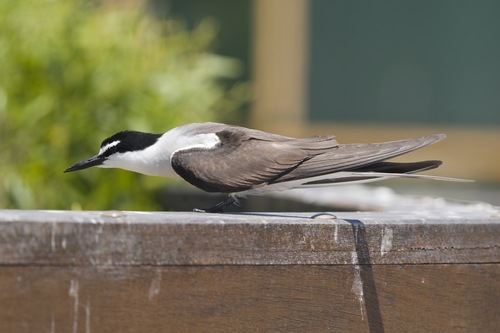 Bridled Tern
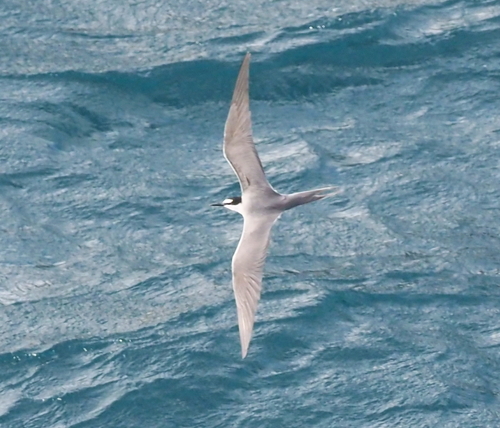 Gray-backed Tern
In breve
Il segno distintivo più affidabile tra il Bridled Tern e il Grey-backed (Spectacled) Tern è il colore e il tono delle parti superiori: il Bridled Tern mostra parti superiori di un grigio ardesia nettamente più scuro con un forte collare bianco sul collo posteriore, mentre il Gray-backed Tern è visibilmente di un grigio più chiaro sopra e manca del collare netto. Entrambe le specie hanno parti inferiori bianche e una linea oculare nera, ma la fronte bianca del Bridled Tern è più stretta e le sue parti superiori scure contrastano di più con le parti inferiori. I giovani Bridled Terns sono squamosi sopra, una caratteristica non descritta per il Grey-backed. In volo o posati, concentrati sul contrasto tra il colore della schiena e la nitidezza del collare bianco per separare questi due, specialmente in stormi misti di sterne.
Consigli di identificazione
- Upperpart Color (All Ages): Il Bridled Tern ha parti superiori di un grigio ardesia nettamente più scuro rispetto al grigio più chiaro del Gray-backed Tern. Questo è il segno distintivo più consistente in tutte le condizioni di luce.
- White Hindneck Collar (Adult Bridled): Il Bridled Tern mostra un collare bianco netto sul collo posteriore, particolarmente evidente negli adulti. Il Gray-backed Tern manca di questo forte collare, rendendo il collo meno nettamente marcato.
- Facial Pattern (All Ages): Entrambe le specie hanno una linea oculare nera, ma la fronte bianca del Bridled Tern è più stretta e il suo sopracciglio bianco è più prominente, dando un aspetto più 'mascherato'. Il volto del Grey-backed è meno nettamente marcato.
- Juvenile Upperparts: I giovani Bridled Terns sono di un grigio squamoso sopra, una caratteristica non descritta per il Gray-backed Tern. Cerca questo modello squamoso negli uccelli giovani.
- Back Contrast (All Ages): In stormi misti, la schiena del Bridled Tern appare molto più scura rispetto al Grey-backed, che può sembrare sbiadito o argentato in confronto.
- Tail Shape: Entrambe le specie hanno code profondamente forked, quindi questo non è utile per la separazione.
- Bill and Legs: Entrambi hanno becchi e zampe nere; questi non sono utili per la separazione.
- Underparts: Entrambi hanno parti inferiori bianche; non usare questo per l'identificazione.
- Flight Style: Il Bridled Tern è noto per tuffarsi direttamente per la preda, non usando un volo a passo. Se osservato mentre cerca cibo, questo potrebbe aiutare, ma è sottile e non sempre visibile.
- Perched Birds: Quando sono posati, concentrati sul contrasto tra le parti superiori e il collare bianco per il Bridled Tern. Il Grey-backed apparirà più chiaro e meno nettamente marcato.
- Immature Birds in Flight: Se vedi un modello squamoso sulla schiena, favorisci il Bridled Tern. Se la schiena è liscia e chiara, considera il Grey-backed.
- Colony Context: Entrambe le specie nidificano in colonie, quindi la posizione da sola non è diagnostica, ma il Grey-backed è generalmente meno comune.
- Voice: Nessuna vocalizzazione distintiva è descritta nelle note; non fare affidamento sui richiami per la separazione.
- Season/Sex: Non è stato notato alcun dimorfismo stagionale o sessuale per entrambe le specie; tutti i segni distintivi si applicano tutto l'anno e a entrambi i sessi.
- Pitfalls: In scarsa luce, la differenza di colore della schiena può essere sottile. Cerca sempre la combinazione di schiena più scura e collare bianco netto per il Bridled Tern, rispetto a schiena più chiara e collo meno definito per il Grey-backed.
Taglia
Entrambe le specie sono sterne di dimensioni medie, con il Bridled Tern che misura 30–32 cm di lunghezza e un'apertura alare di 77–81 cm [wikipedia]. Non sono forniti dati diretti sulle dimensioni per il Gray-backed Tern, ma è considerato molto simile in dimensioni e struttura. Pertanto, la dimensione non è un segno distintivo affidabile per la separazione sul campo.
Piumaggio
I giovani Bridled Terns sono di un grigio squamoso sopra e chiari sotto, un modello non descritto per il Gray-backed Tern, che potrebbe aiutare con gli immaturi. Gli adulti Bridled Terns hanno parti superiori di un grigio scuro, una fronte bianca stretta, sopracciglia bianche prominenti e un collare bianco sorprendente sul collo posteriore. Il Gray-backed Tern (Spectacled) è di un grigio più chiaro sopra, con una schiena meno contrastante, e manca del forte collare bianco. Entrambi hanno parti inferiori bianche e una linea oculare nera, ma i segni facciali del Bridled Tern sono più audaci e più nettamente definiti. In tutte le livree, il colore della schiena è una differenza chiave: il Bridled è più scuro, il Grey-backed è più chiaro. La coda di entrambi è profondamente forked, e entrambi hanno becchi e zampe nere.
Comportamento
Entrambe le specie sono sterne pelagiche, nutrendosi tuffandosi per pesci e a volte raccogliendo dalla superficie. Il Bridled Tern è noto per tuffarsi direttamente piuttosto che usare un volo a passo. Non sono descritte differenze specifiche nel comportamento di ricerca o di volo per il Gray-backed Tern. Entrambi nidificano in colonie su isole.
Habitat
Entrambe le specie sono sterne oceaniche tropicali, nidificando su isole rocciose o sabbiose. Non sono dettagliate differenze di habitat nelle note, ma il Gray-backed Tern è descritto come meno comune e meno studiato rispetto al Bridled Tern.