
Sterna comune vs White-cheeked Tern
Sterna hirundo contro Sterna repressa
Fai un quiz con Sterna comune e White-cheeked Tern
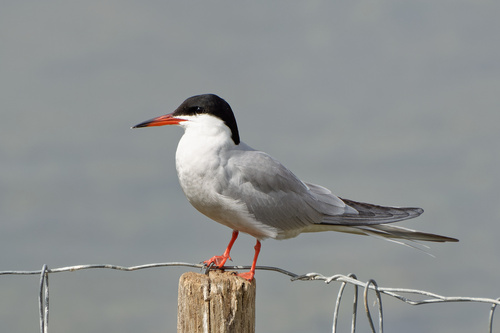 Sterna comune
 White-cheeked Tern
In breve
Il segno di campo più affidabile per separare la Sterna comune dalla White-cheeked Tern è il piumaggio: le Sterna comune adulte in piumaggio di nidificazione mostrano parti superiori grigie uniformi e guance nettamente più bianche, mentre le Sterna comune hanno parti superiori grigie più chiare e meno contrasto nel viso. I piumaggi giovanili e immaturi non sono completamente descritti per la White-cheeked Tern, ma i giovani Sterna comune sono facilmente separati da uccelli di altre specie di età simile. Strutturalmente, la Sterna comune è leggermente più grande e robusta, con zampe più lunghe e una forma dell'ala più triangolare, mentre la White-cheeked Tern è più piccola e più delicata. Entrambe le specie sono costiere, ma i loro areali non si sovrappongono: la Sterna comune è diffusa nelle regioni temperate e subartiche, mentre la White-cheeked Tern è limitata al Mar Rosso, all'oceano Indiano occidentale e alle coste adiacenti. Usa una combinazione di piumaggio, struttura e posizione per un'identificazione sicura.
Consigli di identificazione
- Location is key: Se ti trovi al di fuori del Mar Rosso, del Golfo Persico o dell'oceano Indiano occidentale, stai quasi certamente osservando una Sterna comune, non una White-cheeked Tern. Al contrario, all'interno dell'areale della White-cheeked Tern, entrambe le specie potrebbero verificarsi come vagabonde, ma la Sterna comune è rara.
- Adult breeding plumage: Cerca parti superiori grigie uniformi e guance bianche nette sulla White-cheeked Tern; la Sterna comune è più chiara sopra con meno contrasto facciale.
- Facial pattern: La White-cheeked Tern in piumaggio di nidificazione ha guance più bianche, rendendo il viso più evidente; le guance della Sterna comune sono meno distinte rispetto al resto della testa.
- Wing shape and flight: La Sterna comune ha ali più lunghe, più triangolari e più rigide, dando un volo più potente e diretto. La White-cheeked Tern è più piccola e probabilmente più agile, ma questo è sottile e meglio utilizzato con altri segni.
- Bill and leg color: Il becco della Sterna comune è rosso-arancio con una punta nera (eccetto in alcune sottospecie), e le zampe sono di un rosso brillante. Il becco e le zampe della White-cheeked Tern sono più scuri, ma questo non è sempre affidabile a distanza.
- Size and structure: La Sterna comune è leggermente più grande, con una testa più grande, un collo più spesso e zampe più lunghe. La White-cheeked Tern è più delicata nel complesso.
- Upperwing pattern: La Sterna comune sviluppa un cuneo scuro sulle ali in stagione di nidificazione; le ali della White-cheeked Tern rimangono più uniformi.
- Juvenile/immature birds: I giovani Sterna comune sono detti essere facilmente separati da altre specie, ma segni dettagliati non sono forniti per la White-cheeked Tern, quindi è necessaria cautela con gli uccelli giovani.
- Non-breeding plumage: La Sterna comune può mostrare un dorso grigiastro e meno contrasto facciale; il piumaggio non di nidificazione della White-cheeked Tern non è descritto in dettaglio, quindi usa cautela.
- Habitat context: La Sterna comune può essere vista nell'entroterra durante la migrazione; la White-cheeked Tern è strettamente costiera.
- Tail length: Non dettagliato per la White-cheeked Tern, ma la Sterna comune ha streamers della coda moderatamente lunghi; se gli streamers della coda sono molto lunghi, considera altre specie.
- Mixed flocks: In aree di sovrapposizione, cerca contrasto facciale e colore delle parti superiori per individuare la White-cheeked Tern tra le Sterna comune.
- Voice: Nessuna informazione diagnostica fornita; non fare affidamento sui richiami per la separazione.
- Pitfalls: Fai attenzione alle condizioni di illuminazione che possono alterare l'aspetto del colore delle parti superiori e del contrasto facciale, specialmente a distanza o in luce intensa.
- When in doubt: Usa una combinazione di areale, struttura e schema facciale per la separazione più affidabile, e documenta con foto se possibile.
Taglia
I dati diretti sulla massa sono disponibili solo per la White-cheeked Tern (123,5 g [wikidata]); la Sterna comune è simile o leggermente più grande per reputazione, con una struttura più robusta, una testa più grande e zampe più lunghe. Sul campo, la Sterna comune può apparire più robusta e potente in volo, mentre la White-cheeked Tern è più piccola e più delicata nel complesso. Tuttavia, la dimensione da sola è sottile e meglio utilizzata in combinazione con altri segni.
Piumaggio
- Juvenile/immature plumage: Il piumaggio giovanile dettagliato per la White-cheeked Tern non è descritto nelle fonti, ma i giovani Sterna comune sono notati come facilmente separati da uccelli di età simile di altre specie (dettagli non forniti). Senza specifiche, la separazione basata sull'età è limitata.
- Adult breeding plumage: Gli adulti della White-cheeked Tern in piumaggio di nidificazione hanno parti superiori grigie uniformi e guance nettamente più bianche, creando un forte contrasto facciale. Gli adulti della Sterna comune hanno parti superiori grigie più chiare e guance bianche meno definite. La Sterna comune può sviluppare un cuneo scuro sulle ali man mano che la stagione di nidificazione progredisce, mentre le ali della White-cheeked Tern rimangono più uniformemente colorate.
- Non-breeding plumage: Non completamente descritto per la White-cheeked Tern, ma la Sterna comune può mostrare un dorso grigiastro e meno contrasto nel viso.
- Bill and leg color: La Sterna comune ha un becco rosso-arancio con una punta nera (eccetto in alcune sottospecie) e zampe rosse brillanti; il becco e le zampe della White-cheeked Tern non sono descritti in dettaglio, ma sono generalmente più scuri.
- Wing pattern in flight: Le ali della Sterna comune sono più triangolari e rigide, con solo i quattro primari più interni traslucidi contro il cielo, mentre lo stile di volo e la traslucenza delle ali della White-cheeked Tern non sono dettagliati.
Comportamento
La Sterna comune ha un volo più potente e diretto con ali più rigide e triangolari, riflettendo la sua struttura robusta. La White-cheeked Tern è più piccola e probabilmente più agile e delicata in volo, anche se lo stile di volo specifico non è descritto. Entrambe le specie sono costiere e si nutrono sopra l'acqua, ma la Sterna comune è fortemente migratoria e può essere vista nell'entroterra durante la migrazione, mentre la White-cheeked Tern è più localizzata nelle aree costiere tropicali.
Habitat
La Sterna comune nidifica nelle regioni temperate e subartiche di Europa, Asia e Nord America, e sverna in aree costiere tropicali e subtropicali in tutto il mondo. La White-cheeked Tern è limitata al Mar Rosso, al Corno d'Africa, al Golfo Persico e alle coste adiacenti del Pakistan e dell'India occidentale. Non c'è sovrapposizione di areale: vedere una sterna in Europa o Nord America esclude la White-cheeked Tern, mentre una sterna nel Mar Rosso o nel Golfo Persico è più probabile che sia una White-cheeked. Entrambe le specie utilizzano habitat costieri, ma la Sterna comune può essere trovata più nell'entroterra durante la migrazione.
Sterna comune · White-cheeked Tern · I miei uccelli difficili