
Dark Chanting-Goshawk vs Gabar Goshawk
Melierax metabates contro Micronisus gabar
Fai un quiz con Dark Chanting-Goshawk e Gabar Goshawk
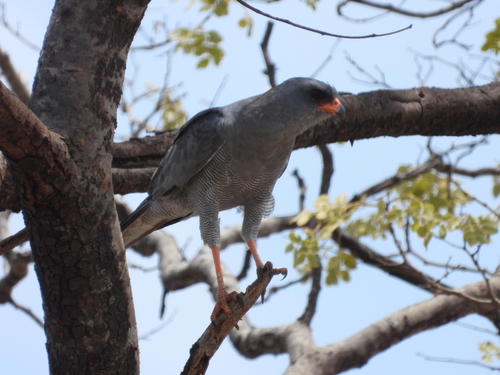 Dark Chanting-Goshawk
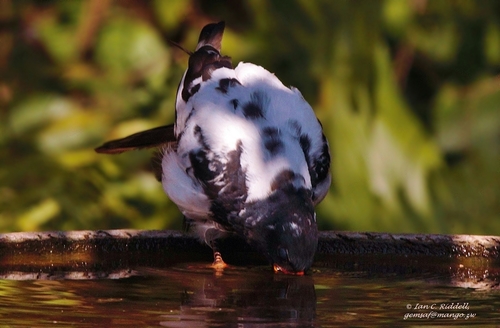 Gabar Goshawk
In breve
Il segno distintivo più affidabile per separare il Dark Chanting-Goshawk dal Gabar Goshawk è la dimensione: il Dark Chanting-Goshawk è molto più robusto e pesante, con una postura più eretta, mentre il Gabar Goshawk è nettamente più piccolo e più leggero. Per gli uccelli immaturi, nota che i giovani Dark Chanting-Goshawk sono brunastri e simili a poiane, mentre i Gabar Goshawk immaturi sono più bruni ma con barrature disordinate e zampe/cere gialle. Il piumaggio adulto è anche diagnostico: il Dark Chanting-Goshawk mostra parti superiori grigio scuro con parti inferiori finemente barrate di bianco e zampe arancio-rosse, mentre il Gabar Goshawk (morfologia chiara) ha un sopracciglio bianco, barrature più estese sulle parti inferiori e zampe/cere gialle (immaturi) o rosse (adulti). Entrambe le specie possono essere viste posate o cacciando da un posatoio, ma la differenza di dimensione e struttura è sorprendente sul campo.
Consigli di identificazione
- La dimensione è l'indizio più immediato: Il Dark Chanting-Goshawk è molto più grande e robusto del Gabar Goshawk; anche a distanza, la differenza è sorprendente. Usa questo primo, specialmente se visto insieme ad altri rapaci per scala.
- Piumaggio giovanile/immaturo: Il giovane Dark Chanting-Goshawk è bruno e simile a una poiana, con una silhouette dalle ali larghe e dalla lunga coda. Il giovane Gabar Goshawk è più bruno dell'adulto, con barrature più disordinate e zampe/cere gialle, ma mostra sempre un sopracciglio bianco nella morfologia chiara. Se vedi un rapace bruno con un sopracciglio bianco, pensa a Gabar.
- Sopracciglio bianco (solo Gabar): La morfologia chiara del Gabar Goshawk (adulto e immaturo) mostra sempre un sopracciglio bianco evidente in volo e spesso quando è posato; il Dark Chanting-Goshawk non mostra mai un sopracciglio bianco a nessuna età.
- Colore delle zampe e della cere: L'adulto Dark Chanting-Goshawk ha zampe e cere arancio-rosse; l'adulto Gabar Goshawk ha zampe e cere rosse, ma gli immaturi hanno zampe e cere gialle. Se vedi giallo, è un Gabar immaturo.
- Barrature delle parti inferiori: Il Dark Chanting-Goshawk ha parti inferiori bianche finemente barrate di nero, ma solo sotto il petto; il petto stesso è grigio scuro. Il Gabar Goshawk (morfologia chiara) ha barrature bianche e grigie più estese sul petto, sulle cosce e sotto le ali.
- Schema della coda: Il Dark Chanting-Goshawk ha una coda con ampie barre nere e bianche, mentre la coda del Gabar Goshawk è grigio scuro con barrature, ma meno contrastante e priva delle ampie barre bianche.
- Struttura e postura: Il Dark Chanting-Goshawk sta molto eretto con zampe lunghe e una corporatura robusta. Il Gabar Goshawk è più leggero e meno eretto.
- Testa e parti superiori: Il Dark Chanting-Goshawk è grigio scuro sulla testa, sul petto e sulle parti superiori. Il Gabar Goshawk (morfologia chiara) è per lo più grigio sopra, con una testa più chiara e sempre un sopracciglio bianco.
- Morfologia scura di Gabar: Se vedi un piccolo rapace quasi completamente nero, è un Gabar Goshawk di morfologia scura; il Dark Chanting-Goshawk non appare mai così scuro in tutto.
- Confusione con le poiane: Il giovane Dark Chanting-Goshawk può essere confuso con le poiane a causa del piumaggio bruno, ma la lunga coda e le ampie ali, oltre alla postura eretta e alla dimensione, aiutano a separarlo sia dalle poiane che dal Gabar Goshawk.
- Dimorfismo sessuale: Entrambe le specie hanno femmine più grandi dei maschi, ma il divario di dimensione tra le specie è molto maggiore della differenza tra i sessi all'interno di una specie.
- Viste posate vs. in volo: In volo, concentrati sul sopracciglio bianco (Gabar) e sulla dimensione complessiva. Quando è posato, controlla il colore delle zampe, la postura e le barrature delle parti inferiori.
- Contesto del nido: Se vedi un nido decorato con ragnatele e possibilmente ragni vivi, è probabile che sia un Gabar Goshawk.
- Indizi comportamentali: Il Gabar Goshawk è più propenso a essere visto mentre attacca i nidi dei tessitori o insegue piccoli uccelli tra gli alberi, mentre il Dark Chanting-Goshawk spesso segue i mammiferi o le persone per catturare prede spaventate.
- Sovrapposizione e insidie: Entrambe le specie possono verificarsi negli stessi habitat e regioni, quindi non fare affidamento solo sulla posizione. Controlla sempre più segni sul campo, specialmente dimensione, colore del sopracciglio e schema delle parti inferiori.
Taglia
Il Dark Chanting-Goshawk è significativamente più grande e pesante (massa corporea media ~758,5g) del Gabar Goshawk (~165g). Il primo è un falco di dimensioni medie e robusto, mentre il secondo è piccolo e leggero. Le femmine di Gabar Goshawk possono avvicinarsi al limite inferiore della massa del maschio di Dark Chanting-Goshawk, ma anche in quel caso, la differenza di robustezza e impressione complessiva rimane ovvia. In volo o posato, il Dark Chanting-Goshawk appare molto più robusto, con zampe più lunghe e una postura più eretta.
Piumaggio
I giovani Dark Chanting-Goshawk sono brunastri nel complesso, somigliando a poiane con ali larghe e lunghe code, ma mancano del sopracciglio bianco del Gabar. I giovani Gabar Goshawk sono anche più bruni degli adulti, con barrature più disordinate sul petto e zampe e cere gialle; la loro morfologia chiara mostra sempre un sopracciglio bianco evidente, anche nel piumaggio immaturo. L'adulto Dark Chanting-Goshawk è grigio scuro sopra con una testa e un petto scuri, parti inferiori bianche finemente barrate di nero, primarie nere e una coda con ampie barre nere e bianche; zampe e cere sono arancio-rosse. L'adulto Gabar Goshawk (morfologia chiara) è per lo più grigio sopra, bianco sotto con barrature grigie, e ha un sopracciglio bianco sorprendente e zampe/cere rosse (gialle negli immaturi). La morfologia scura di Gabar è quasi completamente nera, il che non somiglia al Dark Chanting-Goshawk. In volo, il sopracciglio bianco del Gabar è un segno chiave a tutte le età tranne che nella rara morfologia scura.
Comportamento
Entrambe le specie cacciano da posatoi e possono tuffarsi a terra o inseguire prede in volo. Il Dark Chanting-Goshawk spesso segue grandi animali o persone per catturare prede spaventate, mentre il Gabar Goshawk è più propenso a spaventare piccoli uccelli dagli alberi e inseguirli energicamente. Il Gabar Goshawk è anche noto per attaccare i nidi dei tessitori. Entrambi costruiscono nidi a piattaforma di rami, ma l'uso di ragni vivi e ragnatele per il camuffamento del nido da parte del Gabar Goshawk è unico. Socialmente, entrambi possono essere visti da soli o in coppie, specialmente durante la stagione della riproduzione.
Habitat
Entrambe le specie si trovano ampiamente in tutta l'Africa subsahariana e nell'Arabia meridionale, spesso sovrapponendosi nella loro distribuzione. Le preferenze di habitat non sono fortemente diagnostiche tra le due, poiché entrambe possono essere trovate in boschi aperti e savane. Tuttavia, il Gabar Goshawk può essere più associato a alberi spinosi come l'acacia, specialmente per la nidificazione.
Dark Chanting-Goshawk · Gabar Goshawk · I miei uccelli difficili