
Dideric Cuckoo vs Klaas's Cuckoo
Chrysococcyx caprius contro Chrysococcyx klaas
Fai un quiz con Dideric Cuckoo e Klaas's Cuckoo
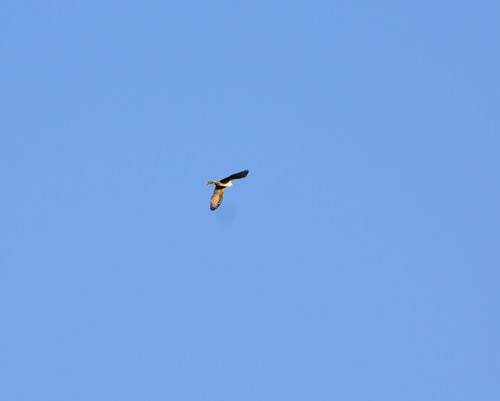 Dideric Cuckoo
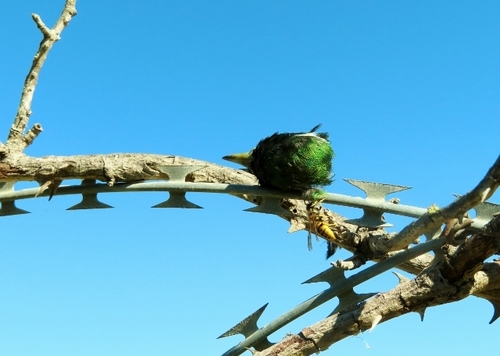 Klaas's Cuckoo
In breve
Il Dideric Cuckoo giovane si distingue meglio dal Klaas's Cuckoo per la sua barra alare bianca e la gola striata, che Klaas's non mostra mai. Negli adulti, i maschi di Dideric hanno una lucentezza ramata e una striscia oculare bianca interrotta, mentre i maschi di Klaas's sono di un verde lucido più pulito sopra con parti inferiori bianche semplici e una piccola macchia bianca post-oculare. Le femmine di entrambi sono più difficili da distinguere: il Dideric è più ramato e barrato sui fianchi, mentre il Klaas's è marrone bronzo sopra con una leggera barratura sotto. In volo, il maschio di Klaas's è sorprendentemente bianco sotto con primarie scure, mentre il Dideric mostra più verde e rame. Il Dideric è leggermente più grande e robusto, ma questo è sottile sul campo.
Consigli di identificazione
- Il Dideric Cuckoo giovane mostra una barra alare bianca e una gola striata—queste sono assenti in Klaas's a qualsiasi età. Se vedi un giovane con gola striata e ramata con una barra alare bianca, è Dideric.
- Colore del becco nei giovani: Il giovane Dideric ha un becco rosso, che non è notato per Klaas's.
- Parti superiori del maschio adulto: I maschi di Dideric sono di un verde lucido con riflessi ramati e una striscia oculare bianca interrotta. I maschi di Klaas's sono di un verde lucido ma mancano di rame, hanno un aspetto più pulito e solo una piccola macchia bianca post-oculare.
- Parti inferiori: I maschi di Dideric sono bianchi sotto, ma i maschi di Klaas's sono ancora più bianchi, senza barrature sui fianchi o lavature ramate.
- Parti superiori delle femmine: Le femmine di Dideric sono più ramate sopra, quelle di Klaas's sono marrone bronzo con copritrici alari verdastre.
- Parti inferiori delle femmine: Le femmine di Dideric hanno barrature ramate sui fianchi e una lavatura marrone; le femmine di Klaas's sono leggermente barrate di bianco sotto.
- Schema della coda: Il Dideric ha quattro penne esterne della coda verdi con punte bianche, con la coppia più esterna macchiata di bianco su entrambe le vane. Lo schema della coda di Klaas's è meno marcato.
- Schema delle ali in volo: Il maschio di Klaas's è sorprendentemente bianco sotto con primarie scure; il Dideric mostra più verde/rame e meno contrasto.
- Macchie bianche sulle remiganti: Il Dideric mostra 3–4 macchie bianche sulle vane interne delle penne da volo, visibili da vicino o in buona luce.
- Striscia oculare bianca: Il Dideric ha una striscia oculare bianca interrotta; Klaas's ha solo una piccola macchia bianca post-oculare.
- Marcature sui fianchi: I giovani di Dideric hanno macchie marroni sui fianchi; Klaas's non ha questo.
- Voce: Il forte e ripetitivo 'deed-deed-deed-deed-er-ick' è diagnostico per Dideric. Klaas's è più silenzioso e meno distintivo.
- Habitat: Il Dideric è più probabile in boschi aperti e vicino a colonie di tessitori; Klaas's preferisce aree boschive ma si sovrappone in molti luoghi.
- Dimensioni: Il Dideric è leggermente più grande e pesante, ma questo è raramente utile a meno che entrambi siano insieme.
- Dimorfismo sessuale: Entrambe le specie lo mostrano, ma i toni ramati e le barrature del Dideric sono più pronunciati nelle femmine rispetto a Klaas's.
Taglia
Il Dideric Cuckoo è marginalmente più grande e pesante (18–20 cm, 33.0 g) rispetto al Klaas's Cuckoo (16–18 cm, 27.9 g), ma la differenza è sottile e spesso difficile da giudicare a meno che entrambi siano visti fianco a fianco. Entrambi sono cuculi piccoli e snelli, ma il Dideric può apparire un po' più robusto. La dimensione da sola è raramente diagnostica sul campo.
Piumaggio
-
Giovane/immaturo: Il giovane Dideric Cuckoo si distingue con un becco rosso, gola striata, barra alare bianca e parti superiori ramate con parti inferiori marroni e macchie marroni sui fianchi. I giovani di Klaas's Cuckoo non sono descritti in dettaglio qui, ma mancano della barra alare bianca e hanno una gola meno striata.
-
Maschio adulto: Il Dideric è di un verde lucido sopra con aree ramate, una striscia oculare bianca interrotta, una breve striscia malare verde e parti inferiori bianche. Le ali mostrano 3–4 macchie bianche sulle vane interne delle remiganti, e la coda ha punte e macchie bianche. Il maschio di Klaas's è di un verde lucido più pulito sopra, bianco semplice sotto, e ha una piccola macchia bianca post-oculare. In volo, il maschio di Klaas's appare per lo più bianco sotto con primarie scure, mentre il Dideric mostra più toni di verde e rame.
-
Femmina adulta: Le femmine di Dideric sono più ramate sopra rispetto ai maschi e mostrano barrature ramate sui fianchi con una lavatura marrone sotto. Le femmine di Klaas's sono marrone bronzo sopra, verdastre sulle copritrici alari, e leggermente barrate di bianco sotto. Entrambi i sessi di Klaas's hanno la piccola macchia bianca post-oculare, che è meno evidente nel Dideric.
Comportamento
Entrambe le specie sono solitarie e segrete, spesso viste sole in boschi aperti o ai margini della foresta. Il Dideric Cuckoo è noto per essere particolarmente rumoroso e appariscente quando chiama, mentre il Klaas's è generalmente più silenzioso e ritirato. Entrambi sono parassiti della covata, ma il Dideric si trova più spesso vicino a colonie di tessitori.
Habitat
Il Dideric Cuckoo favorisce boschi aperti, savane e cespugli lungo i fiumi, spesso in aree con uccelli tessitori. Il Klaas's Cuckoo preferisce regioni boschive e margini forestali ma si sovrappone con il Dideric in molti habitat attraverso l'Africa subsahariana. Entrambi possono verificarsi in aree simili, quindi l'habitat non è un forte separatore eccetto che il Dideric è più probabile in paesi aperti o semi-aperti.
Voce
Il Dideric Cuckoo è molto vocale, con un forte e ripetitivo richiamo 'deed-deed-deed-deed-er-ick', solitamente quattro note chiare seguite da un twitter. La voce del Klaas's Cuckoo non è descritta in dettaglio qui, ma è generalmente meno persistente e meno distintiva rispetto a quella del Dideric. Se senti il classico richiamo 'diederik', è diagnostico per il Dideric Cuckoo.