

Succiacapre vs Freckled Nightjar
Caprimulgus europaeus contro Caprimulgus tristigma
Fai un quiz con Succiacapre e Freckled Nightjar
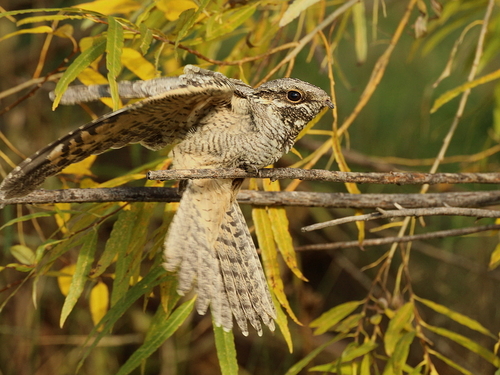 Succiacapre
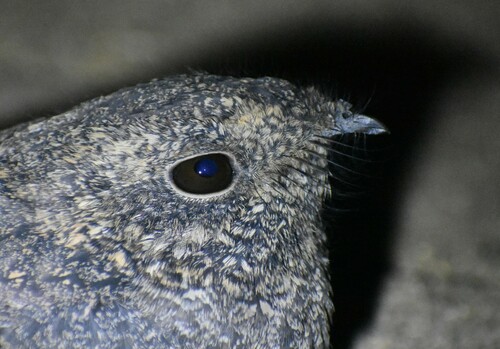 Freckled Nightjar
In breve
Il segno distintivo più affidabile tra Succiacapre e Freckled Nightjar è il motivo bianco nelle ali e nella coda durante il volo, specialmente nei maschi adulti. I maschi di Succiacapre mostrano una grande macchia bianca su tre primarie e punte bianche sulle due piume esterne della coda, mentre i maschi di Freckled Nightjar hanno macchie bianche più piccole su quattro primarie esterne e punte bianche solo sulle piume esterne della coda; le femmine di entrambe le specie non hanno bianco nella coda, ma le femmine di Freckled Nightjar hanno macchie bianche più piccole sulle primarie. Freckled Nightjar appare complessivamente molto più scuro, spesso quasi nerastro da lontano, e manca del collare chiaro sul collo e dei segni facciali prominenti di Succiacapre. Anche la struttura è utile: Freckled Nightjar è costruito in modo più robusto con una coda più corta e ali più lunghe, ed è solitamente visto su terreni rocciosi. L'habitat e il contesto possono aiutare: Succiacapre si trova in boschi aperti e brughiere in tutta Europa e Asia, mentre Freckled Nightjar è legato a habitat rocciosi nell'Africa sub-sahariana.
Consigli di identificazione
- Bianco nelle ali e nella coda (maschi adulti): I maschi di Succiacapre hanno una grande macchia bianca su tre primarie e punte bianche sulle due piume esterne della coda. I maschi di Freckled Nightjar hanno macchie bianche più piccole su quattro primarie esterne e punte bianche solo sulle piume esterne della coda. Questo è più affidabile nei maschi adulti visti in volo.
- Bianco nelle ali e nella coda (femmine): Le femmine di Succiacapre non hanno bianco nella coda e hanno segni delle ali meno evidenti. Le femmine di Freckled Nightjar hanno 3–4 piccole macchie bianche sulle primarie esterne ma nessun bianco nella coda. In entrambe le specie, il bianco è molto meno evidente nelle femmine e può essere perso in condizioni di scarsa illuminazione.
- Colorazione generale: Freckled Nightjar appare molto più scuro nel complesso, spesso quasi nerastro da lontano, mentre Succiacapre è di un grigio-bruno più chiaro con un aspetto più patternizzato.
- Segni facciali e sul collo: Succiacapre mostra un collare chiaro sul collo e una linea bianca sopra il becco, che mancano in Freckled Nightjar.
- Aspetto in perching: Le macchie bianche di Freckled Nightjar non sono solitamente visibili quando è in perching, e il suo piumaggio si fonde con gli sfondi rocciosi. Succiacapre è più probabile che mostri le sue parti superiori patternizzate e il collare chiaro quando è in perching a terra o su un ramo.
- Struttura: Freckled Nightjar è più robusto, con ali più lunghe e una coda più corta rispetto alla dimensione del corpo. Succiacapre è più snello e ha un rapporto ali-coda più bilanciato.
- Habitat: Succiacapre si trova in boschi aperti, brughiere e radure in tutta Europa e Asia. Freckled Nightjar è fortemente legato a affioramenti rocciosi, campi di massi e terreni aridi e fratturati nell'Africa sub-sahariana.
- Stile di volo: Entrambi hanno un volo galleggiante e silenzioso, ma Freckled Nightjar spesso fa brevi scatti da rocce e scivola indietro, mentre Succiacapre può essere visto volare su terreni aperti o bordi di boschi.
- Piumaggio giovanile/immaturo: Non sono descritte differenze dettagliate nei modelli di volo per gli immaturi, ma i giovani di entrambe le specie sono criptici e somigliano a femmine adulte.
- Voce: Se si sente un lungo trill meccanico, è Succiacapre. La voce di Freckled Nightjar non è descritta qui; l'assenza di trill non conferma Freckled.
- Contesto geografico: Succiacapre è assente dall'Africa sub-sahariana; Freckled Nightjar non si trova in Europa o Asia. La posizione è un forte indizio se l'areale è noto.
- Camouflage: Il piumaggio scuro e maculato di Freckled Nightjar è specializzato per habitat rocciosi, mentre il piumaggio più patternizzato e chiaro di Succiacapre si adatta a boschi e brughiere.
- Becco e apertura: Freckled Nightjar ha un'apertura notevolmente grande (la più grande tra i succiacapre), ma questo è raramente visibile sul campo.
- Dimorfismo sessuale: Entrambe le specie mostrano differenze sessuali nei segni delle ali e della coda, ma queste sono sottili nelle femmine e possono essere perse senza buone viste.
- Contesto stagionale: Succiacapre è migratorio, presente in Europa e Asia durante la stagione di riproduzione; Freckled Nightjar è residente o migratorio localmente all'interno dell'Africa.
Taglia
Entrambe le specie sono simili in dimensioni complessive, ma Freckled Nightjar è descritto come grande e robusto, con una massa corporea tipica di circa 79 g [wikidata]. Succiacapre ha una massa variabile (maschio: 51–101 g, femmina: 67–95 g [wikipedia]), ma è generalmente più snello e meno robusto nell'aspetto. Freckled Nightjar ha ali relativamente più lunghe e una coda più corta rispetto a Succiacapre, che ha un rapporto ali-coda più bilanciato. Sul campo, Freckled Nightjar può apparire più massiccio, specialmente quando è in perching.
Piumaggio
Il piumaggio giovanile e immaturo non è descritto in dettaglio per Freckled Nightjar, ma i giovani di entrambe le specie sono ben camuffati e somigliano agli adulti. Per gli adulti, Succiacapre è di un grigio-bruno sopra con striature scure, un collare chiaro sul collo, una linea bianca sopra il becco e macchie brune sul piumaggio chiuso. I maschi hanno una grande macchia bianca sulle ali e punte bianche sulla coda; le femmine non hanno bianco nella coda e hanno segni delle ali meno evidenti. Gli adulti di Freckled Nightjar sono grigio scuro fino a quasi nero da lontano, con maculature bianche, cannella e chiaro visibili da vicino. Le parti inferiori sono marroni scure con striature bianche e cannella. In volo, i maschi di Freckled Nightjar mostrano piccole macchie bianche su quattro primarie esterne e punte bianche sulle due piume esterne della coda; le femmine hanno 3–4 macchie bianche più piccole sulle primarie e nessun bianco nella coda. Quando è in perching, le macchie bianche di Freckled Nightjar non sono solitamente visibili, e il suo piumaggio complessivamente più scuro e meno contrastante si distingue dall'aspetto più chiaro e patternizzato di Succiacapre.
Comportamento
Entrambe le specie sono crepuscolari e notturne, cacciando insetti in volo. Succiacapre ha un volo galleggiante e silenzioso e spesso canta da posatoi al crepuscolo e all'alba. Freckled Nightjar si nutre con brevi scatti da massi o banche rocciose, scivolando indietro verso il suo posatoio, ed è adattato a paesaggi rocciosi e aperti. Succiacapre è più probabile che venga trovato in boschi aperti o brughiere, spesso riposando a terra o su rami bassi, mentre Freckled Nightjar è quasi sempre associato a affioramenti rocciosi e terreni nudi.
Habitat
Succiacapre nidifica in tutta Europa e nel Paleartico fino alla Mongolia e alla Cina nord-occidentale, preferendo boschi aperti, brughiere e radure. Freckled Nightjar è ristretto all'Africa sub-sahariana ed è fortemente associato a habitat rocciosi, come campi di massi, pendii rocciosi e affioramenti. Se visto su rocce nude o in terreni aridi e fratturati, è molto più probabile che sia Freckled Nightjar; Succiacapre è raramente trovato in tali ambienti.
Voce
I maschi di Succiacapre producono un lungo trill gorgogliante da un posatoio, a volte terminando con un trill gorgogliante e battiti d'ali. Il canto è ventriloquio e può essere udito a distanza. Entrambi i sessi emettono un breve richiamo 'cuick, cuick' in volo e una varietà di suoni di allerta e minaccia. Le vocalizzazioni di Freckled Nightjar non sono descritte nelle note fornite, quindi la voce non è un separatore affidabile a meno che non si senta il canto distintivo gorgogliante di Succiacapre.