
Sparviere vs Astore
Accipiter nisus contro Astur gentilis
Fai un quiz con Sparviere e Astore
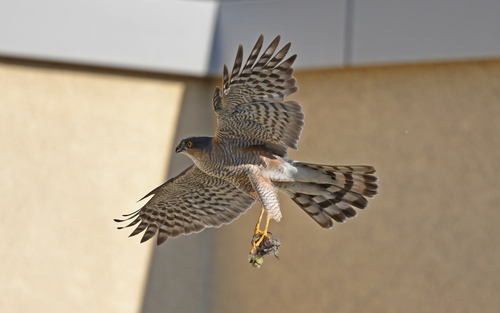 Sparviere
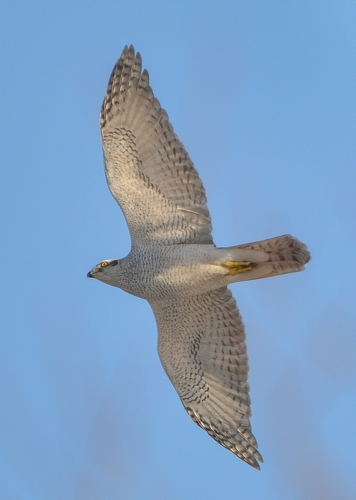 Astore
In breve
Il segno distintivo più affidabile per separare il Sparviere dall'Astore è la dimensione e la struttura complessiva: anche un maschio di Astore è molto più robusto, con ali più lunghe e appuntite e una corporatura più pesante rispetto a una femmina di Sparviere, il loro più stretto sovrapposizione. Il piumaggio giovanile può essere confuso, ma gli Astore adulti non mostrano mai le striature arancio-ruggine dei maschi di Sparviere e hanno sempre un bold supercilio bianco (sopracciglio). In volo, gli Astore hanno battiti d'ala più profondi e lenti e possono planare stabilmente, mentre i Sparvieri sono più irrequieti e raramente planano a lungo. Se vedi un piccolo e snello Accipiter con battiti d'ala rapidi e parti inferiori striate di arancio, è un Sparviere; un grande e potente uccello con un sopracciglio bianco e parti inferiori larghe e striate di grigio è un Astore.
Consigli di identificazione
- Dimensione e robustezza: L'Astore è molto più grande e pesante del Sparviere—usa questo quando entrambi sono visti nella stessa area o con uccelli familiari per scala. Un Astore può apparire quasi delle dimensioni di un avvoltoio; il Sparviere è delle dimensioni di un piccione.
- Forma dell'ala in volo: Le ali dell'Astore sono più lunghe, più larghe e più appuntite; quelle del Sparviere sono più corte, più arrotondate e squadrate. Questo è particolarmente evidente negli uccelli in volo.
- Stile di volo: Il Sparviere ha battiti d'ala rapidi e irrequieti e raramente planano a lungo; i battiti d'ala dell'Astore sono più lenti, più profondi e può planare stabilmente per periodi prolungati.
- Forma della coda: La coda del Sparviere è lunga e appuntita; quella dell'Astore è anch'essa lunga ma appare più arrotondata all'estremità, specialmente quando è aperta.
- Supercilio bianco (sopracciglio): Gli Astore adulti e giovanili mostrano sempre un bold supercilio bianco; i Sparvieri mancano di questa caratteristica a tutte le età.
- Striature delle parti inferiori: I maschi adulti di Sparviere hanno striature fini, arancioni (ruggine) sotto; gli Astore non mostrano mai striature arancioni—gli adulti sono striati di grigio, i giovanili sono striati di marrone.
- Parti inferiori giovanili: Gli Astore giovanili hanno striature larghe e marrone scuro su uno sfondo chiaro; i Sparvieri giovanili sono più grossolanamente striati o macchiati, non striati, e spesso di un marrone più caldo.
- Colore delle parti superiori: I maschi adulti di Sparviere sono blu-grigi sopra; gli Astore (entrambi i sessi) sono blu-grigi o grigio-marroni, ma mai colorati finemente come il maschio di Sparviere.
- Testa e collo: Gli Astore hanno un collo spesso e una grande testa con un'espressione feroce; i Sparvieri hanno una testa più piccola e rotonda e un collo più snello.
- Gambe e piedi: Le gambe e le dita dell'Astore sono più spesse e robuste; quelle del Sparviere sono più fini e delicate, specialmente nei maschi.
- Colore degli occhi: Entrambi possono avere occhi arancioni da adulti, ma gli Astore giovanili e i Sparvieri iniziano entrambi con occhi gialli; questo non è diagnostico da solo ma può aiutare in combinazione con altre caratteristiche.
- Contesto dell'habitat: In aree urbane o suburbane, il Sparviere è molto più probabile; l'Astore è raramente visto lontano dalle grandi foreste.
- Postura in perching: L'Astore si posiziona eretto e appare imponente; il Sparviere appare più snello e meno robusto.
- Variabilità del piumaggio: L'Astore mostra più variazioni nel piumaggio (specialmente in Asia), ma ha sempre il sopracciglio bianco e manca di striature arancioni.
- Confronto diretto: Se vedi entrambi insieme, l'Astore sovrasterà il Sparviere—questo è il controllo definitivo se possibile.
Taglia
L'Astore è drammaticamente più grande e pesante del Sparviere: la massa corporea media è di circa 926 g per l'Astore contro 220 g per il Sparviere. Anche il maschio di Astore più piccolo è più robusto della femmina di Sparviere più grande. Gli Astore hanno una struttura molto più robusta, con un collo spesso, una grande testa e gambe e piedi potenti. I Sparvieri sono visibilmente più snelli, con gambe più fini e una testa più piccola e rotonda. Sul campo, la dimensione da sola può essere ingannevole a causa della distanza o di uccelli solitari, ma il confronto diretto o l'esperienza con entrambi rende la differenza ovvia.
Piumaggio
Il piumaggio giovanile è il principale tranello: entrambe le specie sono marroni sopra e striate o barrate sotto, ma gli Astore giovanili mostrano striature variabili ma spesso larghe, marrone cannella scuro su uno sfondo bianco a beige, e hanno sempre una coda barrata con 3–5 bande scure. I Sparvieri giovanili sono marroni caldi sopra con bordi rugginosi, e le loro parti inferiori sono grossolanamente barrate o macchiate di marrone, mancando delle striature bold e scure dell'Astore. Criticamente, i maschi adulti di Sparviere hanno parti superiori blu-grigie e striature fini arancioni sotto, mentre gli Astore adulti (di entrambi i sessi) sono blu-grigi o grigio-marroni sopra con parti inferiori grigie o bianche barrate con linee scure—mai arancioni. Gli Astore adulti mostrano sempre un supercilio bianco distintivo, che è assente nel Sparviere. Il colore degli occhi può aiutare: gli adulti di entrambi possono avere occhi arancioni, ma gli Astore giovanili hanno occhi gialli pallidi, mentre i Sparvieri giovanili hanno anche occhi gialli pallidi ma tendono ad essere più luminosi. Il piumaggio dell'Astore è più variabile nel complesso, specialmente nelle sottospecie asiatiche, ma il sopracciglio bianco e la mancanza di striature arancioni sono costanti.
Comportamento
In volo, i Sparvieri hanno uno stile 'battito-battito-planata' rapido e irrequieto, con battiti d'ala rapidi e superficiali e una coda a punta quadrata. Gli Astore usano anch'essi un 'battito-battito-planata' ma con battiti d'ala più profondi, lenti e potenti e una tendenza a planare per periodi più lunghi, specialmente in migrazione. In perching, gli Astore appaiono più eretti e imponenti, con una corporatura pesante e una grande testa, mentre i Sparvieri appaiono più snelli e delicati. Gli Astore sono più propensi ad essere visti planare in alto o a fare lunghi voli su aree aperte, mentre i Sparvieri di solito cacciano con rapide corse attraverso la copertura.
Habitat
Entrambe le specie sono rapaci forestali, ma gli Astore preferiscono tratti più ampi di foresta matura e sono più riservati, spesso rimanendo in profondità nei boschi. I Sparvieri sono più adattabili, frequentemente visti in boschetti più piccoli, parchi, giardini e persino aree urbane. Se vedi un Accipiter in una città o in un piccolo bosco, è molto più probabile che sia un Sparviere; l'Astore è raramente visto in tali habitat aperti o urbani.