

Moretta tabaccata vs Verdone
Aythya nyroca contro Chloris chloris
Fai un quiz con Moretta tabaccata e Verdone
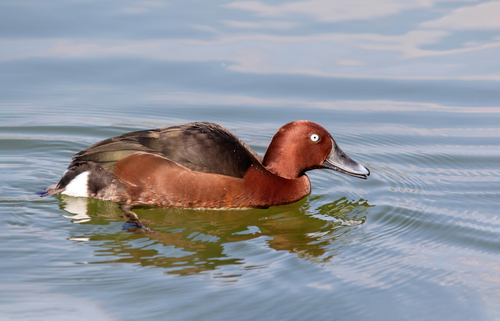 Moretta tabaccata
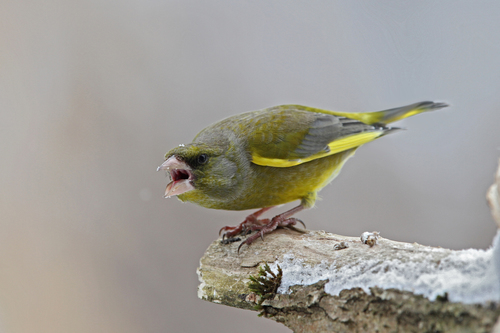 Verdone
In breve
Moretta tabaccata e Verdone sono estremamente diversi sia nella struttura che nella livrea, ma possono sorgere confusioni con viste distanti o poco chiare, specialmente di immaturi o in volo. Il segno distintivo più affidabile è la forma e la dimensione complessiva: Moretta tabaccata è un'anatra di dimensioni medie, dal corpo pesante, con una livrea castano scuro e un sottocoda bianco, mentre il Verdone è un piccolo uccello canoro tozzo con toni verdi e gialli e un becco conico spesso. In volo, la Moretta tabaccata mostra un ventre bianco e una macchia bianca sotto le ali, mentre il Verdone lampeggia giallo nelle ali e nella coda. Anche in luce fioca o a distanza, la forma del becco e la struttura del corpo sono inconfondibili se viste bene.
Consigli di identificazione
- Overall size and structure: Moretta tabaccata è un'anatra di dimensioni medie, dal corpo pesante; il Verdone è un piccolo fringillide compatto. Se l'uccello è delle dimensioni di un passero, è un Verdone; se è delle dimensioni di un piccione o più grande, è l'anatra.
- Bill shape: Moretta tabaccata ha un becco largo e piatto tipico delle anatre. Il Verdone ha un becco conico spesso da mangiatore di semi. La forma del becco è diagnostica se vista bene.
- Flight pattern and wing markings: In volo, la Moretta tabaccata mostra un ventre bianco e una macchia bianca sotto le ali (tutte le età/sessi). Il Verdone lampeggia giallo nelle ali e nella coda, mai bianco. Se vedi giallo nelle ali/coda, è un Verdone; il bianco sotto le ali o il ventre indicano la Moretta tabaccata.
- Perched posture: Il Verdone si appollaia eretto su rami, fili o cespugli. La Moretta tabaccata non è quasi mai vista appollaiata sopra l'acqua; si siede bassa sull'acqua o sta sulla riva.
- Plumage color: La Moretta tabaccata è di un ricco castano (maschio) o marrone opaco (femmina/immaturo) con un sottocoda bianco. Il Verdone è verdastro con giallo nelle ali e nella coda; le femmine/immaturi sono più opachi ma mostrano comunque giallo.
- Eye color: Il maschio della Moretta tabaccata ha un occhio giallo; la femmina ha un occhio scuro. Il Verdone ha un occhio scuro in entrambi i sessi.
- Undertail pattern: La Moretta tabaccata ha sempre un sottocoda bianco puro, visibile quando nuota o in volo. Il sottocoda del Verdone non è bianco.
- Habitat: La Moretta tabaccata si trova sull'acqua; il Verdone si trova in alberi, siepi o giardini, raramente vicino all'acqua aperta.
- Behavior: La Moretta tabaccata si tuffa o si alimenta in superficie; il Verdone si nutre di semi, spesso a terra o sugli alberi, e non si tuffa mai.
- Group composition: La Moretta tabaccata può trovarsi in stormi misti con altre anatre. Il Verdone può unirsi ad altri fringillidi o passeri, raramente con uccelli acquatici.
- Vocalization: Il Verdone canta una canzone trillante, cinguettante; la Moretta tabaccata è generalmente silenziosa o emette quack bassi.
- Tail shape: Il Verdone ha una coda corta e incisa con lati gialli. La Moretta tabaccata ha una coda larga e arrotondata, di solito non prominente.
- Display: I maschi del Verdone eseguono voli di display lenti e fluttuanti, che sono unici tra queste due specie.
- Sex/age confusion: Le Morette tabaccate femmine/immature sono più opache ma hanno comunque un sottocoda bianco e un sottocoda bianco in volo. Le femmine/immature Verdoni sono più marroni ma mostrano sempre giallo nelle ali/coda.
- Common pitfalls: Viste distanti della Moretta tabaccata sull'acqua possono apparire scure e senza caratteristiche; controlla per il sottocoda bianco e la forma del becco. I Verdoni opachi possono sembrare marroni ma mostreranno sempre giallo in volo o quando allungano le ali.
Taglia
La Moretta tabaccata è di gran lunga più grande e pesante (massa corporea ~551.5g [wikidata]) rispetto al Verdone, che è simile in dimensioni a un Passero domestico (lunghezza ~15 cm, apertura alare 24.5–27.5 cm [wikipedia]). L'anatra è un robusto uccello acquatico dal corpo largo, mentre il Verdone è un piccolo fringillide compatto. Anche a distanza, il volume dell'anatra e il collo più lungo sono evidenti rispetto alla piccola silhouette arrotondata del fringillide.
Piumaggio
-
Juvenile/immature/first-winter birds: Non è descritto alcun modello di ali specifico per età per nessuna delle due specie nelle fonti, ma le viste in volo sono comunque molto distintive. La Moretta tabaccata (tutte le età) mostra un ventre bianco e una macchia bianca sotto le ali in volo, con toni castano ricchi o marroni. Il Verdone (tutte le età) è principalmente verdastro ma mostra sempre lampi gialli nelle ali e nella coda durante il volo; i giovani uccelli sono più opachi e più marroni nel complesso ma mantengono il giallo nelle ali e nella coda.
-
Adult males: I maschi della Moretta tabaccata sono di un ricco castano scuro con un sottocoda bianco puro e un occhio giallo. I maschi del Verdone sono di un verde brillante con giallo nelle ali e nella coda, e un becco chiaro spesso.
-
Females/immatures: Le femmine della Moretta tabaccata sono di un marrone più opaco con un occhio scuro, ma hanno comunque il sottocoda bianco e la macchia bianca sotto le ali in volo. Le femmine e i giovani Verdoni sono più opachi e marroni rispetto ai maschi ma mostrano sempre giallo nelle ali e nella coda e non hanno alcun sottocoda bianco.
Comportamento
La Moretta tabaccata è un'anatra tuffatrice, spesso vista tuffarsi o alimentarsi in superficie, e a volte si capovolge nell'acqua. È gregaria ma meno di altre anatre del genere Aythya, e forma stormi in inverno. Il Verdone è un uccello canoro che si appollaia, spesso visto nutrirsi di semi in alberi, cespugli o a terra, ed è più probabile vederlo in stormi durante la stagione non riproduttiva. I Verdoni eseguono voli di display con battiti d'ali lenti e fluttuanti (display "farfalla"). L'anatra non è mai vista appollaiata sugli alberi, mentre il Verdone raramente, se mai, nuota.
Habitat
La Moretta tabaccata si trova su laghi, paludi e altri corpi d'acqua, spesso tra la vegetazione emergente. Nidifica vicino o sull'acqua, a volte su nidi galleggianti. Il Verdone preferisce i margini dei boschi, le siepi agricole e i giardini con vegetazione folta, e nidifica in alberi o cespugli. Vedere un uccello su acqua aperta o tuffarsi è un forte indicatore di Moretta tabaccata; un uccello in una siepe, albero o giardino è quasi certamente un Verdone.
Voce
Nessuna vocalizzazione è descritta per la Moretta tabaccata nelle note. Il Verdone ha una canzone distintiva con trilli, cinguettii e fischi, ed è spesso sentito cantare da un posatoio o durante i voli di display. Se senti una canzone complessa e cinguettante, è un Verdone; la Moretta tabaccata è generalmente silenziosa o emette solo quack bassi.