

Great Frigatebird vs Christmas Island Frigatebird
Fregata minor contro Fregata andrewsi
Fai un quiz con Great Frigatebird e Christmas Island Frigatebird
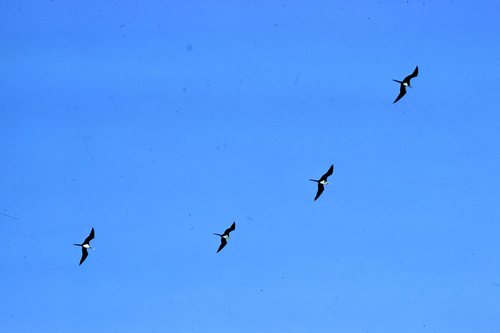 Great Frigatebird
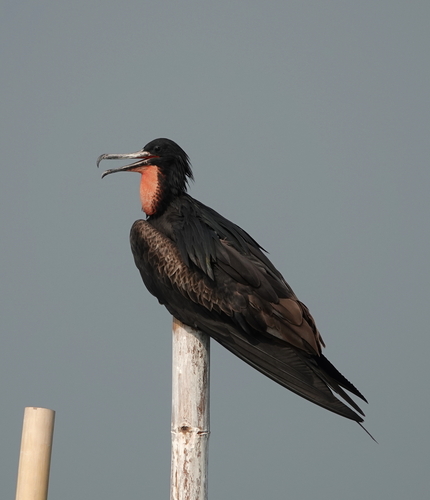 Christmas Island Frigatebird
In breve
Il segno di campo più affidabile tra il Great Frigatebird e il Christmas Island Frigatebird è il modello delle parti inferiori del maschio: i maschi adulti del Christmas Island Frigatebird hanno una vistosa macchia bianca sull'addome, mentre i maschi del Great Frigatebird sono completamente neri sotto. Le femmine di entrambe le specie mostrano ampie aree bianche sul petto e sull'addome, ma le femmine del Christmas Island Frigatebird hanno più bianco che si estende più in basso sull'addome. Gli uccelli giovani e immaturi sono meglio separati in base all'estensione e alla distribuzione del bianco sulle parti inferiori e sulle ali inferiori, con il Christmas Island Frigatebird che mostra un bianco più esteso. Entrambe le specie sono grandi, con ali lunghe e coda profondamente forked, ma il Christmas Island Frigatebird è leggermente più pesante e ristretto all'Isola di Natale, mentre il Great Frigatebird è diffuso negli oceani tropicali.
Consigli di identificazione
- Modello delle parti inferiori del maschio adulto: I maschi del Christmas Island Frigatebird hanno una vistosa macchia bianca sull'addome; i maschi del Great Frigatebird sono completamente neri sotto. Questo è il segno di campo più affidabile per i maschi adulti.
- Modello delle parti inferiori della femmina: Le femmine di entrambe le specie hanno bianco sulla gola e sul petto, ma le femmine del Christmas Island Frigatebird hanno bianco che si estende più in basso sull'addome, mentre le femmine del Great Frigatebird hanno un bianco più ristretto (principalmente gola e petto).
- Parti inferiori giovani/immaturi: I giovani immaturi del Christmas Island Frigatebird mostrano un bianco più esteso sull'addome e punte bianche più lunghe nelle ali inferiori, mentre gli immaturi del Great Frigatebird hanno un volto, una testa e una gola bianchi con una sfumatura ruggine, con meno bianco sull'addome.
- Modello delle ali inferiori in volo (immaturi/femmine): Il Christmas Island Frigatebird mostra punte bianche più lunghe e più prominenti nelle ali inferiori; il bianco del Great Frigatebird è meno esteso e più confinato.
- Testa e volto (giovani): I giovani del Great Frigatebird hanno un volto e una gola bianchi con una distintiva sfumatura ruggine; i giovani del Christmas Island Frigatebird non presentano questa sfumatura ruggine.
- Sacca golare (maschi): Entrambi hanno una sacca golare rossa, ma questa è visibile solo durante il corteggiamento e non è utile per la maggior parte degli incontri sul campo.
- Dimensioni e struttura: Il Christmas Island Frigatebird è leggermente più pesante e può apparire più robusto, ma la sovrapposizione delle dimensioni è considerevole e non è affidabile a meno che gli uccelli non siano affiancati.
- Posizione: Il Christmas Island Frigatebird si trova quasi esclusivamente sull'Isola di Natale; altrove, il Great Frigatebird è molto più probabile.
- Forma della coda e delle ali: Entrambe le specie hanno ali lunghe e strette e una coda profondamente forked; questi non sono utili per separare le due specie.
- Iridescenza: Il maschio del Great Frigatebird può mostrare iridescenza verde sulle scapole in buona luce, assente nel Christmas Island Frigatebird.
- Comportamento: Entrambe le specie si nutrono afferrando prede in volo e possono infastidire altri uccelli marini; il Christmas Island Frigatebird è particolarmente noto per il kleptoparassitismo, ma questo non è un segno di campo affidabile.
- Sovrapposizione del piumaggio: Fai attenzione con le femmine e gli immaturi, poiché entrambi possono mostrare ampie aree bianche sotto; concentrati sull'estensione e sulla forma del bianco sull'addome e sulle punte delle ali inferiori.
- Trappole: Gli immaturi e le femmine del Great Frigatebird possono essere confusi con il Christmas Island Frigatebird se si vedono solo le parti inferiori bianche; cerca sempre di valutare la forma e l'estensione del bianco e considera la posizione.
- Non diagnostico: La forma del becco, la lunghezza della coda e lo stile di volo sono simili e non utili per la separazione.
- Stagione: Entrambe le specie hanno piumaggi simili durante la riproduzione e non riproduzione; le differenze di età e sesso sono più importanti della stagione per l'identificazione.
Taglia
Entrambe le specie sono molto grandi frigatebirds con aperture alari simili (205–230 cm), ma il Christmas Island Frigatebird è leggermente più pesante (massa media dell'adulto ~1.475–1.550 g) rispetto al Great Frigatebird (maschio 1.000–1.450 g; femmina 1.215–1.590 g). In lunghezza, il Great Frigatebird varia da 85 a 105 cm, mentre il Christmas Island Frigatebird è di 89–100 cm. Sul campo, la differenza di dimensioni è sottile e non è affidabile per la separazione a meno che non siano visti insieme, ma il Christmas Island Frigatebird può apparire leggermente più robusto.
Piumaggio
Gli uccelli giovani e immaturi di entrambe le specie sono per lo più neri con bianco sulla testa e sulle parti inferiori, ma gli immaturi del Christmas Island Frigatebird mostrano un bianco più esteso sull'addome e punte bianche più lunghe nelle ali inferiori, mentre i giovani del Great Frigatebird hanno un volto, una testa e una gola bianchi con una sfumatura ruggine e meno bianco sull'addome. I maschi adulti sono meglio separati dal modello delle parti inferiori: i maschi del Christmas Island Frigatebird hanno una macchia bianca conspicua sull'addome, mentre i maschi del Great Frigatebird sono completamente neri sotto (con possibile iridescenza verde sulle scapole). Le femmine di entrambe le specie hanno bianco sul petto e sull'addome, ma le femmine del Christmas Island Frigatebird hanno un bianco più esteso che raggiunge più in basso sull'addome, mentre le femmine del Great Frigatebird hanno una gola e un petto bianchi ma meno bianco sull'addome. Entrambe le specie hanno una sacca golare rossa nei maschi, ma questo non è un segno di campo utile al di fuori del corteggiamento. In volo, le punte bianche delle ali inferiori del Christmas Island Frigatebird (tutte le età tranne i maschi adulti) sono più lunghe e più prominenti rispetto a quelle del Great Frigatebird.
Comportamento
Entrambe le specie sono altamente aeree, atterrando raramente sull'acqua, e si nutrono afferrando prede dalla superficie dell'oceano o infastidendo altri uccelli marini. Il Christmas Island Frigatebird è noto per il kleptoparassitismo (rubare cibo ad altri uccelli), mentre le femmine del Great Frigatebird possono cacciare pulcini di uccelli marini nelle colonie. Entrambe mostrano un corteggiamento elaborato con i maschi che gonfiano una sacca golare rossa, ma questo è visibile solo nelle colonie di riproduzione. Lo stile di volo è simile: galleggiante, con ali lunghe e strette e una coda profondamente forked.
Habitat
Il Great Frigatebird è diffuso negli oceani tropicali, riproducendosi su isole nel Pacifico, nell'Oceano Indiano e nell'Oceano Atlantico meridionale. Il Christmas Island Frigatebird è endemico all'Isola di Natale nell'Oceano Indiano e si riproduce solo lì. Lontano dalla riproduzione, il Christmas Island Frigatebird può vagare ma è raramente visto lontano dall'Isola di Natale, rendendo la posizione un forte indizio. Il Great Frigatebird è molto più probabile al di fuori dell'Isola di Natale.
Great Frigatebird · Christmas Island Frigatebird · I miei uccelli difficili