

Averla maggiore vs Averla cenerina
Lanius excubitor contro Lanius minor
Fai un quiz con Averla maggiore e Averla cenerina
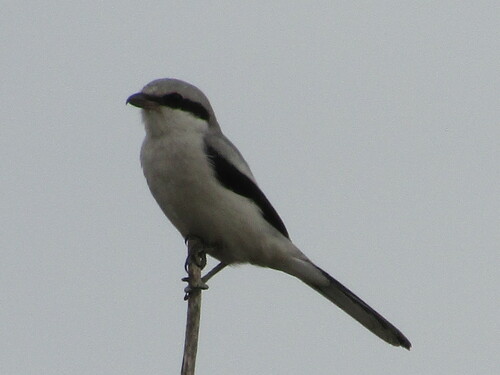 Averla maggiore
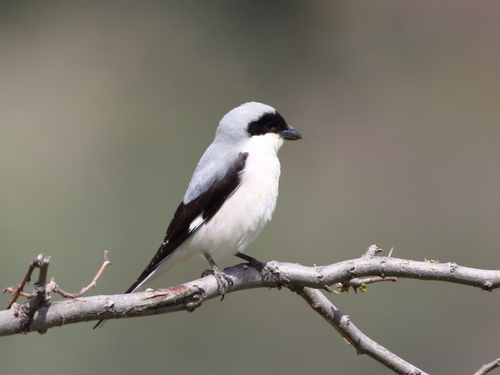 Averla cenerina
In breve
Il segno di campo più affidabile tra l'Averla maggiore e l'Averla cenerina è il motivo della testa: l'Averla cenerina mostra una fronte e una corona frontale nere solide (nei maschi adulti), mentre l'Averla maggiore ha una corona grigia più chiara con solo una maschera nera attraverso l'occhio. I giovani di entrambi sono più marroni, ma i giovani dell'Averla cenerina mancano del dorso e del codione grigio dell'Averla maggiore, mostrando invece un marrone chiaro e una leggera barratura. In volo, entrambe le specie mostrano ali e coda bianche e nere, ma l'Averla cenerina ha ali relativamente più lunghe e una fronte nera più estesa. Anche la dimensione è un indizio: l'Averla maggiore è decisamente più robusta. Entrambe possono essere viste posate in modo prominente, ma l'Averla cenerina è più probabile nelle pianure aperte e è un visitatore raro in gran parte dell'Europa occidentale.
Consigli di identificazione
- Motivo della Testa (Adulti): Cerca una fronte nera solida e una corona frontale nel maschio adulto dell'Averla cenerina; l'Averla maggiore ha una corona grigia chiara con solo una maschera nera sugli occhi. Questa è la separazione più consistente negli adulti.
- Parte Superiore dei Giovanili: Il giovane dell'Averla cenerina è marrone chiaro sopra con una leggera barratura e manca di grigio sul dorso e sul codione; i giovani dell'Averla maggiore sono più grigi sopra, con una tonalità perlacea e una maschera nera.
- Parte Inferiore (Adulti): L'Averla cenerina (soprattutto i maschi) mostra spesso una sfumatura rosata sul petto inferiore e sull'addome, assente nell'Averla maggiore, che ha parti inferiori bianche pulite.
- Dimensione e Struttura: L'Averla maggiore è più grande e robusta (massa corporea ~63g contro 46g), con un aspetto più potente; l'Averla cenerina è più piccola, più snella e ha ali relativamente più lunghe per la sua dimensione.
- Motivo delle Ali e della Coda: Entrambe mostrano ali e coda bianche e nere, ma le primarie dell'Averla cenerina hanno punte color crema e basi bianche, e le secondarie mancano di basi bianche. La coda dell'Averla cenerina ha più bianco verso le piume esterne, con la coppia centrale con punte e basi bianche.
- Differenze Sessuali: La femmina dell'Averla cenerina è meno vivace del maschio, con una testa grigia scura (non nera), parti superiori grigio-marroni e meno rosa sotto. I sessi dell'Averla maggiore sono simili.
- Stile di Volo: Il volo dell'Averla maggiore è pesante e ondulato, con possibilità di soste ripetute; il volo dell'Averla cenerina è basso, ondulato, a volte planante, e termina con un colpo verso l'alto per posarsi.
- Comportamento di Posatura: Entrambe si posano in modo evidente, ma l'Averla cenerina è spesso vista sui fili nelle pianure aperte, mentre l'Averla maggiore preferisce alberi o arbusti sparsi.
- Contesto Ambientale: Nell'Europa occidentale, l'Averla cenerina è un raro vagabondo, quindi il contesto e la stagione sono importanti—la maggior parte delle averle in inverno o al di fuori della migrazione sono Averle maggiori.
- Becco e Zampe: Entrambe hanno becchi e zampe neri, ma il becco dell'Averla cenerina è nero-marrone con una base più chiara per la mandibola inferiore; non è solitamente diagnostico a distanza.
- Forma della Coda: La coda dell'Averla maggiore è descritta come a forma di cuneo con bordi bianchi; il motivo della coda dell'Averla cenerina è più complesso, con bianco crescente verso l'esterno.
- Comportamenti di Esibizione: Entrambe aprono e muovono le loro code quando sono eccitate, ma l'Averla maggiore può radunarsi in piccoli gruppi invernali, mentre l'Averla cenerina è particolarmente aggressiva nel nido.
- Comportamento a Terra: L'Averla cenerina salta brevemente a terra per raccogliere prede ma non si sofferma; il comportamento a terra dell'Averla maggiore è meno enfatizzato.
- Tempistica della Muta: Non direttamente diagnostica sul campo, ma nota che i giovani dell'Averla maggiore mutano parte del loro piumaggio giovanile prima del primo inverno, il che può influenzare l'aspetto.
- Trappole: Fai attenzione alla femmina dell'Averla cenerina, che può apparire simile all'Averla maggiore, ma controlla sempre l'estensione del nero sulla testa e la presenza o assenza di parti inferiori rosate.
Taglia
L'Averla maggiore è visibilmente più grande e pesante, con una massa corporea di circa 63.4g rispetto ai 46.0g dell'Averla cenerina. L'Averla cenerina è anche leggermente più corta in lunghezza (circa 20 cm) e ha un tarso e un'ala più corti. Sul campo, l'Averla maggiore appare spesso più robusta e potente, mentre l'Averla cenerina è più snella e compatta, con ali proporzionalmente più lunghe per la sua dimensione.
Piumaggio
- Giovani/Primi Anni: Il giovane dell'Averla cenerina è complessivamente più marrone, privo del dorso e del codione grigio dei giovani dell'Averla maggiore; mostra invece parti superiori marrone chiaro con una leggera barratura e parti inferiori crema/bianche senza rosa. Il giovane dell'Averla maggiore è più grigio sopra, con una tonalità perlacea e una maschera nera, e parti inferiori bianche.
- Adulti: I maschi adulti dell'Averla cenerina hanno una fronte nera distintiva, una corona frontale e un viso, con una corona posteriore e un dorso grigio-bluastro chiaro, e una sfumatura rosata sul petto inferiore e sull'addome. Gli adulti dell'Averla maggiore sono grigi perlacei sopra, con una maschera nera sugli occhi ma senza nero sulla fronte o sulla corona, e parti inferiori bianche pulite. La femmina dell'Averla cenerina è meno vivace, con una testa grigia scura (non nera) e parti superiori grigio-marroni, e meno rosa sotto. Entrambe le specie hanno ali e coda bianche e nere, ma le primarie dell'Averla cenerina hanno punte color crema e basi bianche, e le secondarie mancano di basi bianche. La coda dell'Averla cenerina ha bianco crescente dal centro verso l'esterno, con la coppia centrale con punte e basi bianche, mentre la coda dell'Averla maggiore è descritta come a forma di cuneo con bordi bianchi.
Comportamento
Entrambe le specie si posano in modo evidente e usano tattiche di caccia simili, ma l'Averla maggiore spesso mostra un volo più pesante e ondulato ed è capace di soste ripetute. Il volo dell'Averla cenerina è basso, ondulato e a volte include planate con ali estese, terminando con un colpo verso l'alto per posarsi. A terra, l'Averla cenerina salta brevemente per raccogliere prede. Entrambe le specie aprono e muovono le loro code quando sono eccitate. L'Averla maggiore può radunarsi in piccoli gruppi invernali per dormire, mentre l'Averla cenerina è nota per la sua aggressività e difesa vigorosa del nido.
Habitat
L'Averla maggiore è diffusa nell'Eurasia settentrionale e centrale, spesso trovata in campi aperti con alberi o arbusti sparsi. L'Averla cenerina nidifica nel sud e nel centro Europa e nell'Asia occidentale, preferendo pianure aperte secche ed è spesso vista sui fili. Nell'Europa occidentale, l'Averla cenerina è un vagabondo raro, solitamente apparendo come un vagabondo primaverile o autunnale, mentre l'Averla maggiore è un nidificante regolare o un visitatore invernale in habitat adatti.
Averla maggiore · Averla cenerina · I miei uccelli difficili