

Calandrella vs Calandrina
Calandrella brachydactyla contro Alaudala rufescens
Fai un quiz con Calandrella e Calandrina
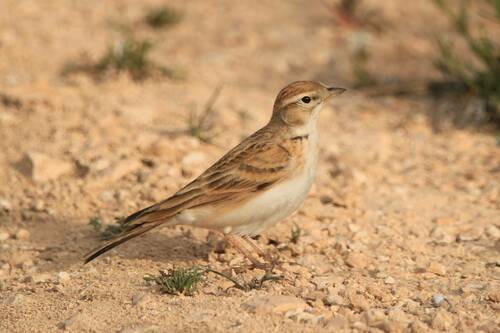 Calandrella
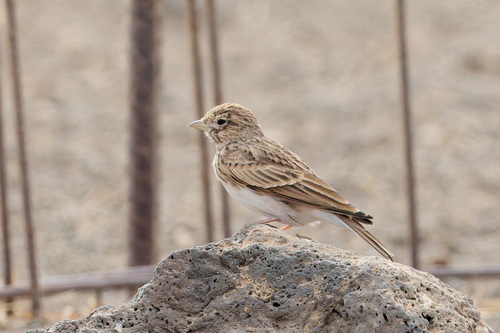 Calandrina
In breve
Il segno di campo più affidabile tra Calandrella e Calandrina è la presenza o assenza di macchie scure sul collo: Calandrella mostra macchie scure distinte sui lati del collo, mentre Calandrina ne è priva. Calandrina ha anche un petto più finemente striato e un becco visibilmente più corto e smussato con una testa più rotonda. Entrambi sono piccoli, chiari, con una colorazione e una struttura simili, ma è essenziale prestare attenzione al motivo della testa, alla forma del becco e alla striatura del petto, specialmente in condizioni di luce variabile o a distanza. Differenze sottili nel canto e nel comportamento di gruppo possono aiutare, ma sono meno affidabili rispetto ai segnali di piumaggio e strutturali.
Consigli di identificazione
- Controlla le macchie scure sul collo: Calandrella mostra sempre macchie scure distinte sui lati del collo; Calandrina ne è priva. Questo è il segno di campo più affidabile per tutte le età e stagioni.
- Valuta la striatura del petto: Calandrina ha una striatura più fine e più estesa sul petto, mentre il petto di Calandrella è più pulito e bianco con meno striature. Questo è utile in tutti i piumaggi.
- Esamina la forma del becco: Calandrella ha un becco forte, appuntito e leggermente più lungo (rosato con un culmine grigio), mentre il becco di Calandrina è più corto, smussato e meno conico. Il colore del becco non è diagnostico, ma la forma e la lunghezza lo sono.
- Guarda la forma della testa: Calandrina ha una testa più rotonda e più piccola rispetto alla testa leggermente più grande e angolare di Calandrella. Questo è sottile ma può essere utile in un confronto diretto.
- Supercilium: Entrambe le specie hanno un supercilium chiaro, quindi questo non è utile per la separazione.
- Colore della corona: Alcuni esemplari di Calandrella (soprattutto gli uccelli occidentali) possono mostrare una corona rugginosa, ma questo si sovrappone con Calandrina e non è affidabile da solo.
- Motivo della coda: Entrambi hanno una coda scura; il motivo della coda non è un separatore.
- Comportamento di gruppo: In inverno, Calandrella può formare gruppi più grandi e più sincronizzati rispetto a Calandrina, ma questo è solo un indizio debole.
- Viste in volo: Non si notano differenze distintive nel pattern delle ali superiori o nel volo per queste specie, quindi non fare affidamento sui pannelli delle ali o sui bordi posteriori.
- Canto: Il canto di Calandrina è più ricco e variegato, ma entrambi possono essere imitativi e variabili; usare con cautela.
- Habitat: Entrambi si trovano in habitat aperti e asciutti simili; non usare l'habitat da solo per l'identificazione.
- Dimensioni: Entrambi sono simili in dimensioni; non usare le dimensioni come separatore.
- Sesso e età: I sessi sono simili in entrambe le specie e non si notano segni specifici per l'età oltre alla striatura generale del petto e alle macchie sul collo.
- Variabilità del piumaggio: Entrambe le specie mostrano una notevole variazione nelle loro aree; utilizzare sempre una combinazione di segni, non una singola caratteristica.
- Trappole: Fai attenzione agli uccelli usurati o sporchi, che possono nascondere le macchie sul collo o la striatura del petto; cerca sempre di ottenere più viste e controlla diversi individui in un gruppo se possibile.
Taglia
Entrambe le specie sono molto simili in dimensioni, con Calandrina misurata tra 13 e 14 cm di lunghezza. Non c'è una forte differenza di dimensioni sul campo, e entrambi i sessi sono simili in dimensioni e aspetto. Non fare affidamento sulle dimensioni per separare questi due.
Piumaggio
Per tutte le età e stagioni, la chiave per la distinzione del piumaggio è la presenza di macchie scure sui lati del collo in Calandrella, che sono assenti in Calandrina. Entrambe le specie sono grigio-marroni scure sopra e bianche sotto, ma Calandrina è generalmente più opaca nel complesso, con striature più fini e più estese sul petto. Il colore della corona può essere rugginoso in alcuni esemplari di Calandrella, specialmente nelle popolazioni occidentali, ma questo è variabile e si sovrappone con Calandrina. Entrambi hanno un supercilium chiaro e una coda scura, ma la striatura del petto è più pronunciata e fine in Calandrina, mentre Calandrella tende ad avere un petto più pulito e bianco con meno striature. Non si notano differenze specifiche per l'età nel pattern delle ali superiori o nel volo nelle fonti, quindi concentrati sul motivo della testa e del petto per tutti i piumaggi.
Comportamento
Calandrella è nota per formare grandi gruppi compatti in inverno che volano in sincronia, spesso muovendosi insieme verso l'acqua al mattino e riposando a terra aperta la sera. Il comportamento di Calandrina non è descritto in dettaglio, ma entrambe le specie sono gregarie e possono essere viste in gruppi. Il comportamento di gruppo da solo non è diagnostico, ma i gruppi stretti e sincronizzati di Calandrella possono essere un indizio sottile in inverno.
Habitat
Entrambe le specie occupano habitat aperti e asciutti in tutta l'Europa meridionale, Nord Africa e parti del Medio Oriente. Calandrina è diffusa attorno al Bacino del Mediterraneo, comprese le Isole Canarie, l'Iberia e il Nord Africa. Calandrella nidifica nell'Europa meridionale e orientale, Nord Africa e parti dell'Asia, con alcune sottospecie che svernano in Africa e nel Sud Asia. La sovrapposizione degli habitat è estesa, quindi il contesto non è un separatore affidabile.
Voce
I canti sono simili, ma il canto di Calandrina è descritto come più ricco, più variegato e più imitativo rispetto a quello di Calandrella, che varia da un fruscio secco a una melodia più variegata. Entrambi possono essere variabili e imitativi, quindi il canto è meglio utilizzato come indizio di supporto piuttosto che come separatore primario.