

Lanceolated Warbler vs Forapaglie macchiettato
Locustella lanceolata contro Locustella naevia
Fai un quiz con Lanceolated Warbler e Forapaglie macchiettato
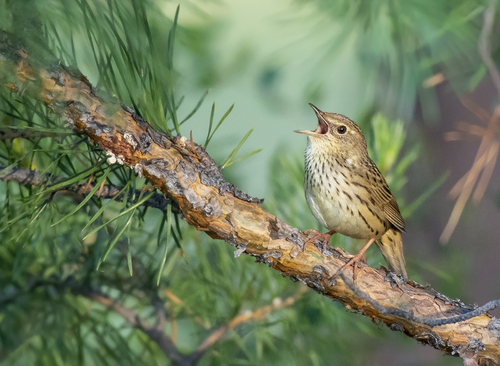 Lanceolated Warbler
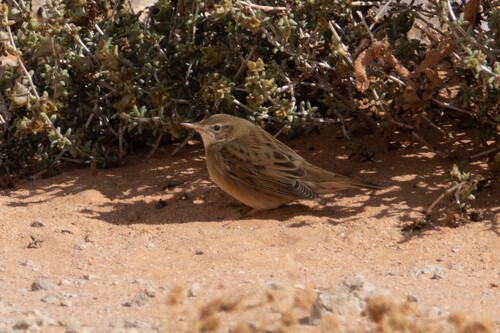 Forapaglie macchiettato
In breve
Il segno distintivo più affidabile tra il Lanceolated Warbler e il Forapaglie macchiettato è il motivo e la densità delle striature sui sottoparti: il Lanceolated Warbler mostra striature fini, affilate e a forma di lancia sui sottoparti grigio-biancastri e sul sottocoda, mentre il Forapaglie macchiettato ha macchie e striature scure più rade e meno definite su uno sfondo crema o giallo-buffo. I giovani Lanceolated Warblers sono più gialli sotto, il che può causare confusione con i giovani Forapaglie, ma le striature rimangono più fini e più estese nel Lanceolated. Entrambe le specie sono piccoli, riservati warbler Locustella con parti superiori marroni striate, ma prestare attenzione al motivo dei sottoparti, alla coda e ai sottili segnali strutturali è fondamentale. La voce non è diagnostica sul campo per la maggior parte degli osservatori a causa delle loro canzoni simili 'reeling', ma l'habitat e l'areale possono aiutare nel contesto.
Consigli di identificazione
- Striature sui sottoparti: Il Lanceolated Warbler mostra sempre striature scure, fini, dense e ben definite sui sottoparti grigio-biancastri e sui copritrici del sottocoda; il Forapaglie macchiettato ha macchie e striature più rade e meno definite, principalmente sul petto e sui fianchi, con un colore di fondo crema o giallo-buffo. Questo è il segno distintivo più affidabile per tutte le età.
- Colorazione giovanile: I giovani Lanceolated Warblers sono più gialli sotto rispetto agli adulti ma mantengono le striature fini e dense; i giovani Forapaglie macchiettati sono anche giallo-buffi sotto ma con molte meno striature. Se vedi un uccello giallastro con striature estese e affilate, è probabile che sia un Lanceolated.
- Copritrici del sottocoda: Entrambe le specie hanno copritrici del sottocoda striate, ma quelle del Lanceolated sono più marcate e dense. Quando l'uccello apre o muove la coda, cerca la densità e l'affilatezza di queste striature.
- Parti superiori: Il Forapaglie macchiettato ha parti superiori marrone oliva pallido con ogni piuma striata più scura al centro; il Lanceolated è più uniformemente striato di marrone sopra. Questo è sottile e meglio utilizzato in buona luce.
- Colore e motivo della coda: La coda del Forapaglie macchiettato è marrone rossiccio con deboli barre trasversali in alcuni individui. La coda del Lanceolated è meno descritta ma non è notata come rossiccia o a barre; concentrati invece sulle striature del sottocoda.
- Motivo facciale: Il Forapaglie macchiettato mostra guance grigiastre e una debole striscia oculare dietro l'occhio. Il volto del Lanceolated è meno distintamente marcato, quindi una forte striscia oculare o contrasto delle guance può indicare il Forapaglie.
- Colore delle zampe: Il Forapaglie macchiettato ha zampe e piedi di un pallido marrone-giallastro; il colore delle zampe del Lanceolated non è descritto come distintivo, quindi questo è di limitato utilizzo.
- Comportamento: Entrambi sono riservati, ma il Forapaglie macchiettato è noto per il suo passo alto, lunghe falcate lungo i fusti e frequenti aperture della coda. Se vedi questo passo e questa esposizione della coda, è più probabile che sia un Forapaglie.
- Canto: Entrambi hanno un simile trillo 'reeling', ma a meno che tu non sia molto esperto o possa analizzare registrazioni, non fare affidamento sulla voce per la separazione.
- Habitat: In Europa, il Forapaglie macchiettato è molto più probabile in habitat più asciutti e cespugliosi, mentre il Lanceolated è raro e preferisce praterie più umide. Durante la migrazione, controlla i registri locali per la probabilità.
- Visioni in volo: Se disturbati, entrambi volano debolmente e cadono rapidamente nel riparo. Nessun motivo distintivo delle ali superiori o del volo è descritto per entrambi, quindi fai affidamento sulle striature dei sottoparti se intravisti.
- Sesso e stagione: I sessi sono simili in entrambe le specie. In autunno, fai attenzione ai giovani Lanceolated che appaiono più gialli sotto, ma ricorda che le striature rimangono diagnostiche.
- Trappole: Non fare affidamento solo sul colore generale, poiché entrambi possono apparire marroni e striati sopra con sottoparti chiare. Controlla sempre la densità e l'affilatezza delle striature dei sottoparti.
- Areale: Al di fuori delle aree di nidificazione principali, controlla lo stato locale—il Lanceolated è raro nell'Europa occidentale, quindi un Locustella in una siepe è quasi sempre un Forapaglie macchiettato.
- Quando hai dubbi: Se le striature dei sottoparti non sono chiaramente visibili, cerca di ottenere più visuali, specialmente delle copritrici del sottocoda e dei fianchi, e annota eventuali segnali comportamentali.
Taglia
Entrambe le specie sono piccoli warbler Locustella e sono molto simili in dimensioni, con il Forapaglie macchiettato che misura in media circa 12,5 cm di lunghezza e pesa 11,5–16 grammi [wikipedia]. Nessuna differenza di dimensioni diretta è probabile che sia utile sul campo; entrambi appaiono compatti e snelli con lunghe code.
Piumaggio
Gli uccelli giovani e di primo anno di entrambe le specie possono essere confusi, specialmente in autunno. Il Lanceolated Warbler (tutte le età) mostra striature scure molto fini, dense e ben definite sui sottoparti grigio-biancastri e sulle copritrici del sottocoda, dando un aspetto distintamente 'lanceolato' (a forma di punta di lancia). Queste striature sono presenti anche nei giovani, sebbene il colore di fondo sia più giallo. Il Forapaglie macchiettato ha un lato inferiore crema o giallo-buffo con solo poche macchie e striature scure meno definite, principalmente sul petto e sui fianchi, e copritrici del sottocoda striate. Le parti superiori di entrambi sono marroni e striate, ma il dorso del Forapaglie macchiettato è di un marrone oliva più chiaro con ogni piuma striata più scura al centro, mentre il Lanceolated è più uniformemente striato di marrone. Le ali del Forapaglie macchiettato sono marroni con bordi più chiari, e la coda è marrone rossiccio con deboli barre in alcuni uccelli; il motivo della coda del Lanceolated è meno descritto, ma le striature del sottocoda sono un segno chiave. I sessi sono simili in entrambe le specie.
Comportamento
Entrambe le specie sono estremamente riservate, muovendosi attraverso erba densa o vegetazione bassa e raramente volando lontano. Il Forapaglie macchiettato è noto per il suo passo alto e lunghe falcate mentre si muove lungo i fusti, spesso con la coda sollevata e aperta per mostrare le copritrici del sottocoda striate. Può anche fingere di essere ferito per distrarre i predatori. Il comportamento del Lanceolated Warbler è meno descritto ma è altrettanto riservato e orientato al suolo. Entrambi possono essere intravisti mentre si muovono in basso o corrono attraverso il riparo, tuffandosi rapidamente nella vegetazione.
Habitat
Il Lanceolated Warbler nidifica dalla Russia europea nord-occidentale attraverso il Paleartico fino al Giappone settentrionale, preferendo praterie umide e zone paludose. Il Forapaglie macchiettato nidifica in gran parte dell'Europa temperata e del Paleartico occidentale, utilizzando habitat di erba ruvida e cespugliosi, comprese paludi, radure, siepi, heath, torbiere e giovani piantagioni. Entrambi svernano lontano dai loro luoghi di nidificazione, ma il Forapaglie macchiettato sverna in Africa e localmente in India, mentre il Lanceolated sverna nel sud-est asiatico. È possibile un sovrapposizione negli habitat durante la migrazione, ma il Forapaglie macchiettato è più probabile in siti più asciutti e cespugliosi, mentre il Lanceolated preferisce praterie più umide.
Voce
Entrambe le specie hanno una lunga canzone 'reeling' ad alta tonalità che è estremamente simile nella struttura e nel tono, rendendole difficili da separare all'orecchio per la maggior parte degli osservatori. La canzone del Forapaglie macchiettato è un trillo continuo di notevole velocità e complessità, ventriloquio e di ampia portata, ed è facilmente confusa con la canzone del Lanceolated Warbler, che è anch'essa un trillo 'reeling'. I richiami di allerta non sono descritti per il Lanceolated ma sono ticchettanti nel Forapaglie macchiettato. In pratica, la canzone non è un separatore affidabile sul campo senza esperienza o analisi audio.
Lanceolated Warbler · Forapaglie macchiettato · I miei uccelli difficili