

Large-tailed Nightjar vs Savanna Nightjar
Caprimulgus macrurus contro Caprimulgus affinis
Fai un quiz con Large-tailed Nightjar e Savanna Nightjar
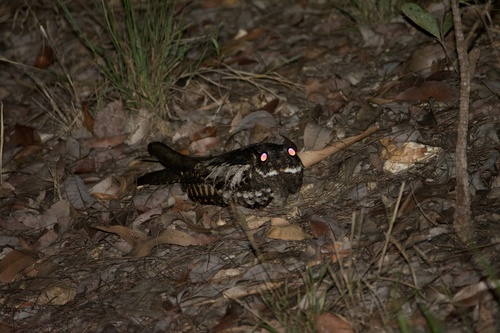 Large-tailed Nightjar
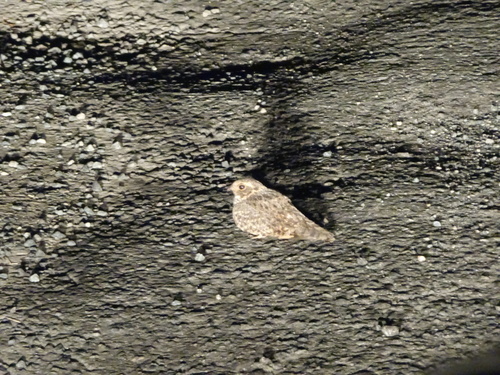 Savanna Nightjar
In breve
Il segno di campo più affidabile per separare il Large-tailed Nightjar dal Savanna Nightjar è la coda: il Large-tailed Nightjar ha una coda visibilmente più lunga e più larga, particolarmente evidente in volo o quando è posato. I maschi adulti di entrambe le specie mostrano macchie bianche sulla gola, ma solo i maschi del Large-tailed Nightjar hanno grandi macchie bianche sulle primarie e sulle penne della coda esterna, mentre i maschi del Savanna Nightjar hanno macchie bianche più piccole sulle ali e sulla coda. Le femmine e gli immaturi di entrambe le specie sono più opachi, ma le femmine e i giovani del Savanna Nightjar non presentano affatto macchie bianche sulla coda. Anche la struttura e le dimensioni sono fondamentali: il Large-tailed Nightjar è notevolmente più grande e più robusto, con una lunghezza fino a 33 cm contro un massimo di 26 cm per il Savanna Nightjar. Entrambe le specie hanno un piumaggio criptico e possono essere difficili da distinguere a riposo, ma prestando attenzione alla lunghezza della coda, alle macchie sulle ali in volo e alle dimensioni complessive si risolve solitamente la confusione.
Consigli di identificazione
- Lunghezza e forma della coda: Il Large-tailed Nightjar ha una coda molto più lunga e più larga rispetto al Savanna Nightjar, evidente sia in volo che quando è posato. Se la coda appare corta o si proietta solo leggermente oltre le punte delle ali, sospetta il Savanna Nightjar.
- Macchie bianche in volo (maschi adulti): I maschi del Large-tailed Nightjar mostrano grandi, audaci macchie bianche sulle primarie e sulle penne della coda, particolarmente evidenti in volo. I maschi del Savanna Nightjar hanno macchie bianche più piccole sulle ali e sulla coda; le femmine e gli immaturi di entrambe le specie non presentano queste macchie o mostrano solo segni deboli.
- Schema della corona e delle scapole: I maschi del Large-tailed Nightjar hanno una corona chiara con una striscia mediana scura e una fila di scapole nere con ampie frange color sabbia o biancastre. Questa combinazione manca nel Savanna Nightjar.
- Macchia sulla gola: I maschi di entrambe le specie hanno macchie bianche sulla gola, ma nelle femmine e negli immaturi del Savanna Nightjar, la macchia sulla gola è sottile o assente, e il piumaggio è più rossastro. Le femmine del Large-tailed Nightjar hanno una macchia sulla gola più piccola e meno vivace, ma sono generalmente più grigie.
- Dimensioni complessive: Il Large-tailed Nightjar è significativamente più grande e più robusto rispetto al Savanna Nightjar. Se vedi un nightjar che sembra notevolmente grande o allungato, specialmente con una lunga coda, è più probabile che sia un Large-tailed.
- Tono del piumaggio: Le femmine e gli immaturi del Savanna Nightjar hanno una sfumatura rossastra nel piumaggio e non presentano macchie bianche sulla coda. Le femmine del Large-tailed Nightjar sono più chiare e grigie, con un po' di sabbia sulle ali ma meno rosse nel complesso.
- Confusione tra giovani/immaturi: I giovani di entrambe le specie sono maculati e criptici, ma le dimensioni e la lunghezza della coda possono comunque aiutare. Se l'uccello è piccolo e compatto senza bianco nella coda, è più probabile che sia un Savanna Nightjar; se è più grande e grigio, considera il Large-tailed Nightjar.
- Contesto dell'habitat: In foreste dense o umide, specialmente vicino all'Himalaya o nelle foreste montane del Sud-est asiatico, è più probabile trovare il Large-tailed Nightjar. In campagna aperta, aree rocciose o ambienti urbani (specialmente sui tetti), è favorito il Savanna Nightjar.
- Comportamento a riposo: Entrambe le specie sono ben camuffate, ma il Large-tailed Nightjar tende a posarsi in copertura più densa, mentre il Savanna Nightjar può essere trovato in luoghi più aperti o esposti.
- Vocalizzazioni: Se senti un forte richiamo di nightjar in un'area urbana, è probabile che sia un Savanna Nightjar. Il canto del Large-tailed Nightjar è più monotono e meno probabile venga descritto come dirompente.
- Struttura delle ali: Entrambi hanno ali lunghe e appuntite, ma le ali del Large-tailed Nightjar appaiono più larghe e più potenti, in linea con le sue dimensioni maggiori.
- Dimorfismo sessuale: Solo i maschi di entrambe le specie mostrano bianco nella coda; le femmine e gli immaturi non lo hanno, quindi non fare affidamento solo sulle macchie della coda a meno che tu non possa determinare l'età/sesso dell'uccello.
- Adattamento urbano: Il Savanna Nightjar è molto più probabile che venga trovato in città o su edifici; il Large-tailed Nightjar è raramente urbano.
- Comportamento alimentare: Entrambi si lanciano per catturare insetti al crepuscolo e di notte, ma questo non è diagnostico tra i due.
- Trappola: Entrambe le specie sono estremamente ben camuffate e possono sembrare molto simili quando si posano. Usa una combinazione di lunghezza della coda, dimensioni e macchie sulle ali/coda (quando visibili) per l'identificazione più affidabile.
Taglia
Il Large-tailed Nightjar è sostanzialmente più grande, misurando 31,5–33 cm di lunghezza, mentre il Savanna Nightjar è lungo 20–26 cm. La massa corporea del Savanna Nightjar (82,5 g) è all'interno dell'intervallo per i nightjar delle sue dimensioni, ma il Large-tailed Nightjar è costantemente più robusto e con una coda più lunga. Sul campo, il Large-tailed Nightjar appare più robusto e allungato, specialmente quando è posato, con una coda proporzionalmente più lunga e ali più larghe. Il Savanna Nightjar è più piccolo, più compatto e ha una coda più corta rispetto al suo corpo. Queste differenze di dimensioni sono solitamente evidenti se gli uccelli vengono visti fianco a fianco o con una buona percezione delle proporzioni.
Piumaggio
-
Uccelli giovani/immaturi: I giovani di entrambe le specie assomigliano a femmine adulte, mancando di macchie bianche sulla coda e mostrando una colorazione maculata e criptica. Tuttavia, gli immaturi del Savanna Nightjar sono generalmente più piccoli e hanno una sfumatura più rossastra nel piumaggio, mentre gli immaturi del Large-tailed Nightjar sono più grandi e grigi nel complesso.
-
Maschi adulti: I maschi del Large-tailed Nightjar hanno una corona chiara con una striscia mediana scura, una fila di scapole nere con ampie frange color sabbia o biancastre, una macchia bianca sulla gola e, soprattutto, grandi macchie bianche sulle primarie e sulle penne della coda (particolarmente visibili in volo). La coda è larga e lunga con barre scure irregolari. I maschi del Savanna Nightjar hanno una macchia bianca sulla gola e macchie bianche sulla coda e sulle ali, ma queste sono più piccole e meno audaci rispetto a quelle del Large-tailed Nightjar; la coda è più corta e meno larga.
-
Femmine adulte: Entrambe sono più opache rispetto ai maschi. Le femmine del Large-tailed Nightjar sono più chiare e grigie, con macchie sulle ali di sabbia più piccole e macchie sulla coda meno vivaci. Le femmine del Savanna Nightjar hanno una macchia sulla gola sottile, una sfumatura rossastra e non presentano affatto macchie bianche sulla coda. Entrambi i sessi del Savanna Nightjar hanno un piumaggio grigio-marrone vermicolato, ma solo il Large-tailed Nightjar mostra la combinazione di corona chiara e forte schema delle scapole.
-
In volo: Le grandi macchie bianche sulle primarie e sulla coda del Large-tailed Nightjar sono diagnostiche per i maschi adulti; le macchie sulle ali e sulla coda del Savanna Nightjar sono più piccole e meno evidenti, e assenti nelle femmine e negli immaturi.
Comportamento
Entrambe le specie sono notturne, criptiche e si affidano al camuffamento durante il giorno. Il Large-tailed Nightjar è noto per il suo straordinario camuffamento e tende a posarsi a terra o su rami bassi in foreste dense o semiaperte, mimetizzandosi con il fogliame o la corteccia. Anche il Savanna Nightjar è altamente camuffato, ma è più probabile trovarlo in aree aperte o rocciose, e in alcune regioni si è adattato agli ambienti urbani, nidificando anche su tetti piani. Entrambi cacciano insetti lanciandosi da posatoi al crepuscolo e di notte. Il Savanna Nightjar è particolarmente noto per il suo comportamento audace in ambito urbano in alcune aree, mentre il Large-tailed Nightjar è più strettamente associato a habitat naturali o semi-naturali.
Habitat
Il Large-tailed Nightjar preferisce foreste umide tropicali o subtropicali, foreste di mangrovie e foreste montane, spesso vicino ai bordi delle foreste, piantagioni o parchi alberati, e talvolta in aree agricole. Il suo areale si estende dalle pendici meridionali dell'Himalaya attraverso il Sud-est asiatico fino all'Australia settentrionale. Il Savanna Nightjar, pur essendo trovato anche nel Sud e nel Sud-est asiatico, preferisce habitat più aperti come savane, terreni rocciosi e persino aree urbane (in particolare a Taiwan). È meno legato a foreste dense ed è più probabile incontrarlo in campagna aperta o su strutture artificiali. È possibile un sovrapposizione negli habitat di confine, ma il contesto può aiutare: un nightjar in una foresta densa è più probabile sia un Large-tailed; in ambienti aperti o urbani, è più probabile il Savanna Nightjar.
Voce
Il Large-tailed Nightjar ha un canto territoriale distintivo e monotono, descritto come una serie di note profonde e a bassa frequenza "wroww" o "wrrrog/grrrog" ripetute rapidamente, udite più spesso di notte durante il corteggiamento o la difesa del territorio. Il Savanna Nightjar è famoso per il suo richiamo forte e rimbombante (fino a 90 decibel in aree urbane), che può essere un disturbo nelle città. Sebbene entrambe le specie siano vocali di notte, il richiamo del Savanna Nightjar è più probabile venga descritto come rimbombante o dirompente, mentre il canto del Large-tailed Nightjar è più monotono e meno probabile venga scambiato per un forte rumore urbano.
Large-tailed Nightjar · Savanna Nightjar · I miei uccelli difficili