

Lincoln's Sparrow vs Hooded Warbler
Melospiza lincolnii contro Setophaga citrina
Fai un quiz con Lincoln's Sparrow e Hooded Warbler
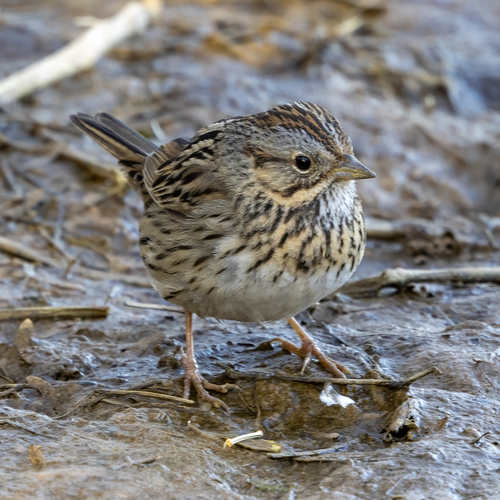 Lincoln's Sparrow
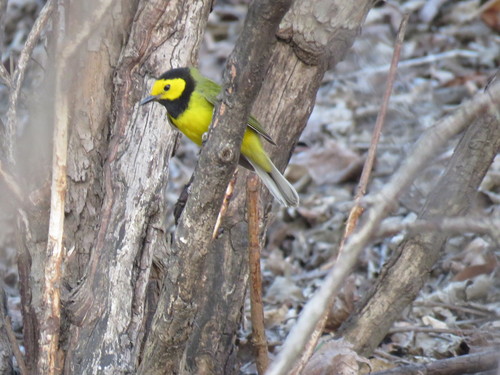 Hooded Warbler
In breve
Il segno di campo più affidabile per separare il Lincoln's Sparrow dal Hooded Warbler è la presenza di striature fini e nette sul petto e sui fianchi del Lincoln's Sparrow (tutte le età), rispetto ai sottofondi gialli puliti e privi di segni del Hooded Warbler. Il Lincoln's Sparrow è un passero segreto e striato con un volto grigio striato di buffo e parti superiori marroni, mentre il Hooded Warbler è un warbler più attivo, con schiena oliva e sottofondi gialli brillanti e, nei maschi adulti, un colletto nero sorprendente. Le femmine e i giovani Hooded Warblers mancano del colletto nero ma mostrano comunque sottofondi gialli semplici e un berretto verde oliva semplice, mai striato. Strutturalmente, il Lincoln's Sparrow è più robusto con un becco più pesante, mentre il Hooded Warbler è più snello e delicato. La voce e l'habitat differiscono anche significativamente, ma il modello del petto è il controllo di campo più veloce.
Consigli di identificazione
- Breast Streaking: Il Lincoln's Sparrow mostra sempre striature fini e nette su un petto buffo o marrone chiaro, mentre il Hooded Warbler di qualsiasi età o sesso ha sottofondi gialli puliti e privi di segni. Questo è il segno di campo più veloce e affidabile.
- Facial Pattern: Il Lincoln's Sparrow ha un volto grigio con guance marroni, un baffo buffo, una linea oculare marrone e un anello oculare stretto. I maschi del Hooded Warbler hanno un colletto nero sorprendente che circonda il volto giallo; le femmine e i giovani hanno un berretto verde oliva semplice e un volto giallo, privi di striature o baffo.
- Crown and Cap: Il Lincoln's Sparrow mostra una corona marrone con una striscia centrale grigia. I maschi del Hooded Warbler hanno un berretto nero (come parte del colletto), mentre le femmine e i giovani hanno un berretto verde oliva che non raggiunge il volto o la gola.
- Back and Upperparts: Il Lincoln's Sparrow è striato e marrone oliva sopra; il Hooded Warbler è semplice marrone oliva/verde sopra, mai striato.
- Tail Pattern: Il Hooded Warbler ha penne esterne della coda bianche (rectrices) visibili in volo o quando sbatte la coda; il Lincoln's Sparrow ha una coda stretta e marrone senza bianco.
- Bill Shape: Il Lincoln's Sparrow ha un becco di passero più pesante e conico adatto per i semi; il Hooded Warbler ha un becco di warbler più snello e appuntito per catturare insetti.
- Structure and Jizz: Il Lincoln's Sparrow appare tozzo e compatto, spesso curvo e basso a terra. Il Hooded Warbler è più snello, più eretto e attivo, spesso sbattendo la coda e muovendosi attraverso la vegetazione bassa.
- Juvenile Pitfalls: Il giovane Lincoln's Sparrow è striato sotto e può assomigliare ad altri passeri striati, ma non mostra mai i sottofondi gialli semplici del Hooded Warbler. Il giovane Hooded Warbler è semplice sotto, come la femmina adulta.
- Song: Il Lincoln's Sparrow canta una dolce, complessa, gorgogliante canzone; la canzone del Hooded Warbler è più chiara e più ritmica ('wheeta wheeta whee-tee-oh').
- Call Notes: Il Lincoln's Sparrow emette un 'tup' piatto o un 'zeet' morbido; il Hooded Warbler emette un 'chip' forte e acuto.
- Habitat: Il Lincoln's Sparrow si trova in coperture dense, basse e spesso umide; il Hooded Warbler preferisce foreste a foglia larga con un sottobosco denso.
- Behavior: Il Lincoln's Sparrow è timido, si nasconde e raramente cattura insetti in volo; il Hooded Warbler è attivo, spesso catturando insetti in volo e sbattendo la coda.
- Sex Differences: Solo il maschio adulto del Hooded Warbler ha un colletto nero; le femmine e i giovani ne sono privi ma sono comunque semplici sotto. Il Lincoln's Sparrow non mostra dimorfismo sessuale nel piumaggio.
- Size: Il Lincoln's Sparrow è più pesante e robusto; il Hooded Warbler è più leggero e più delicato, sebbene simile in lunghezza.
- Seasonal Confusion: Durante la migrazione, entrambi possono trovarsi in aree cespugliose, ma il Lincoln's Sparrow mostrerà sempre sottofondi striati e una struttura da passero, mentre il Hooded Warbler rimane semplice sotto e più attivo.
Taglia
Il Lincoln's Sparrow è visibilmente più pesante e robusto, con una massa corporea di circa 18,8 g, rispetto al più leggero Hooded Warbler (9–12 g). Entrambe le specie sono simili in lunghezza (circa 13–15 cm), ma il Lincoln's Sparrow ha un'apertura alare leggermente più lunga (19–22 cm) rispetto ai 17,5 cm del Hooded Warbler. Sul campo, il Lincoln's Sparrow appare più tozzo e compatto, mentre il Hooded Warbler è più snello e agile.
Piumaggio
Per tutte le età, il Lincoln's Sparrow mostra striature fini e scure su un petto buffo o marrone chiaro, una pancia bianca e un volto grigio con un baffo buffo e guance marroni. La corona è marrone con una striscia centrale grigia, e le parti superiori sono marrone oliva e striate. I giovani Lincoln's Sparrows sono striati sotto, simili ai giovani swamp sparrows, ma raramente hanno una corona semplice. Al contrario, il Hooded Warbler di tutte le età ha sottofondi gialli semplici e privi di segni e una schiena marrone oliva/verde semplice. I maschi adulti hanno un colletto nero audace che circonda il volto giallo; le femmine e i giovani mancano del colletto, mostrando un berretto verde oliva che non si estende al volto o alla gola. Le penne esterne della coda del Hooded Warbler hanno vane bianche, visibili in volo o quando la coda è sbattuta. Non ci sono striature in nessun punto sui sottofondi del Hooded Warbler a qualsiasi età.
Comportamento
Il Lincoln's Sparrow è timido e tende a rimanere nascosto in coperture dense, spesso solo intravisto mentre si nasconde o si posa brevemente per cantare. È meno probabile vederlo in aperto tranne durante i momenti di canto. Il Hooded Warbler è più attivo e appariscente, foraggiando nella vegetazione bassa e sbattendo frequentemente la coda per rivelare le piume esterne bianche. È più probabile vederlo mentre cattura insetti in volo o si muove attraverso il sottobosco. Il Lincoln's Sparrow raramente cattura insetti in volo ed è meno attivo al di sopra del livello del suolo.
Habitat
Il Lincoln's Sparrow preferisce coperture dense, spesso umide, come cespugli, grovigli di salice o torbiere di sfagno, di solito vicino al suolo. Il Hooded Warbler nidifica in boschi a foglia larga con un sottobosco denso, spesso negli Stati Uniti orientali e nel Canada meridionale, ed è più probabile trovarlo in habitat forestali con uno strato di arbusti ben sviluppato. Il Lincoln's Sparrow è meno probabile trovarlo negli interni delle foreste mature, preferendo i margini cespugliosi o i prati umidi.
Voce
Il Lincoln's Sparrow canta una dolce canzone gorgogliante simile a quella di un scricciolo, con note introduttive rapide e acute e un modello complesso e multisillabico. I suoi richiami includono un 'tup' piatto o 'chip' e un 'zeet' morbido e acuto. La canzone del Hooded Warbler è una serie di note musicali, spesso rese come 'wheeta wheeta whee-tee-oh', e il suo richiamo è un 'chip' forte e acuto. La canzone del Lincoln's Sparrow è più complessa e meno musicale rispetto a quella del Hooded Warbler, che è più chiara e più ritmica. Solo i maschi del Lincoln's Sparrow cantano, e sono spesso segreti anche quando vocalizzano.
Lincoln's Sparrow · Hooded Warbler · I miei uccelli difficili